
Vegetables
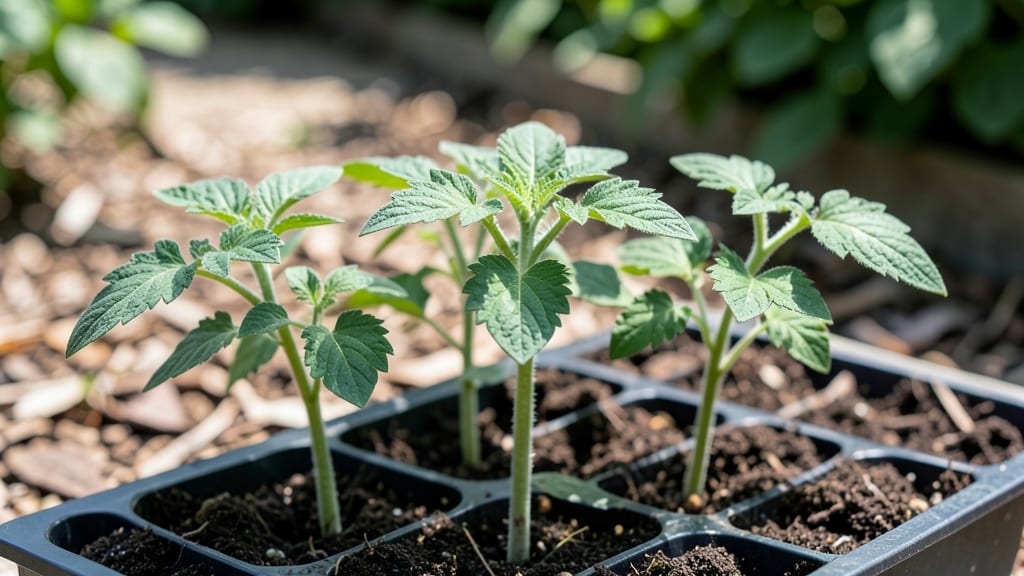
Two-week-old tomato seedlings are your fastest path to a summer bursting with ripe fruit. 🌱 I’ve watched these tiny sprouts transform into stocky, vibrant plants ready for transplanting—when you give them the right light, water, and care from the start.
The key is balancing moisture without drowning them (think damp, not soggy) and providing bright, indirect light for 12–14 hours daily. Too little light stretches seedlings into leggy shadows, while too much scorches their tender leaves. A simple grow light or sunny windowsill does the trick—just keep it consistent.
By week 3, you’ll spot healthy, dark-green leaves and a sturdy stem, signaling it’s time to harden them off. Skip this step, and your seedlings shock at transplanting. Start with a few hours outside, then gradually increase over 7–10 days.
Avoid these pitfalls: overcrowding (seedlings need space to breathe), cold drafts (they’re tropical plants!), and skipping fertilizer (a diluted mix boosts growth). With these tricks, your seedlings will thrive—and so will your harvest.
📚 In This Guide
- What you need
- Instructions
- Tips and common mistakes
- Wrapping up and next steps
What you need
- ● Tomato seeds: 1–2 packets of heirloom or hybrid seeds (choose fast-maturing varieties like Early Girl or Cherry Tom for quicker results).
- ● Seed-starting mix: 2–3 cups of sterile, lightweight potting soil (avoid garden soil—it’s too dense!).
- ● Seed trays or small pots: 4–6 biodegradable or plastic cell trays (2–3 inches deep) or 4–6 small pots (3–4 inches wide).
- ● Watering can or spray bottle: A fine-mist sprayer works best to avoid disturbing seeds.
- ○ Heat mat (optional but recommended): A 10"x20" heat mat set to 75–85°F speeds up germination.
- ● Grow lights or sunny windowsill: A full-spectrum LED grow light (12–16 hours/day) or a south-facing window with 6+ hours of sunlight.
- ● Plastic wrap or humidity dome: Keeps moisture locked in during the first week (use a clear plastic bag or store-bought dome).
- ○ Fertilizer (optional): A balanced, water-soluble fertilizer (5-10-5 or 10-10-10) for when seedlings sprout.
- ● Plant labels: Small sticks or tags to mark seed varieties (prevents mix-ups!).
- ● Tweezers or pencil: For gently pressing seeds into soil (no need to bury deep—just ¼ inch!).
- ● Fine mist spray bottle: Keeps soil moist without oversaturating.
- ○ Thermometer (optional): Monitors soil temperature (ideal range: 70–85°F for germination).
- ● Scissors or knife: For trimming plastic wrap or adjusting pots.
How to grow healthy tomato seedlings in just two weeks
Here’s the method I’ve perfected for pushing tomato seeds from sprout to sturdy seedlings in record time.
🌱 Step 1: Prep Seeds and Soil for Instant Germination
Start by soaking your tomato seeds in lukewarm water for 12 hours—this softens the seed coat and triggers faster germination. I use a small glass jar with a lid, shaking it gently every few hours to keep seeds evenly moist. The reason we soak is that the outer coating slows germination, and a 12-hour soak softens it considerably.
While seeds soak, fill your seed-starting trays with sterile seed-starting mix (never garden soil—it’s too dense and may carry pathogens). Moisten the mix until it holds together when squeezed but doesn’t drip. Press it down lightly so the surface is firm but not packed. This ensures roots can push through without resistance, and you’ll see faster emergence.
☀️ Step 2: Plant Seeds and Create a Germination Dome
Plant 2 seeds per cell at a depth of ¼ inch—about the diameter of the seed itself. Sowing too deep delays germination because the seedling exhausts its energy before reaching light. Cover lightly with a sprinkle of additional mix, then mist the surface gently with a spray bottle until evenly moist. A heavy watering can will dislodge the seeds and bury them too deep.
Cover the trays with a clear humidity dome or plastic wrap to retain warmth and moisture. Tomatoes germinate fastest at 75-85°F, so I place the tray on a seedling heat mat set to 80°F. Expect sprouts in 5-7 days—not the usual 10-14 days. Check daily but resist the urge to water; the dome traps enough moisture that the soil stays evenly damp without intervention.
💧 Step 3: Provide Optimal Light and Airflow Immediately
The instant seedlings break through the soil, remove the humidity dome to prevent damping-off disease, which collapses stems overnight. Place them under a full-spectrum LED grow light positioned 2-4 inches above the plants. Raise it as they grow to maintain that gap. Without sufficient light, seedlings stretch desperately upward (called "leggy"), and they’ll never recover proper strength.
You’ll see strong seedlings have thick stems, deep green color, and compact spacing between leaves. If stems grow leggy and bend toward the light, your light is too far away—move it within 4 inches of the tallest seedling. Rotate the tray a quarter turn daily so plants grow upright instead of leaning.
⏰ Step 4: Thin and Harden Off for Transplant Success
Once seedlings show 2 true leaves (not the first tiny cotyledons), thin to the strongest plant per cell by snipping the weaker one at the base with scissors. This prevents overcrowding and ensures the remaining plant gets full nutrients. Water gently afterward to settle the soil around the remaining seedling.
Two weeks after sowing, your seedlings should be 3-4 inches tall with 4-6 true leaves. Start hardening them off by placing them outside in a sheltered, shaded spot for 1-2 hours the first day. Gradually increase outdoor time by 1 hour daily over 5-7 days, slowly introducing more sun and wind. Skipping this step burns leaves and breaks stems, so don’t rush it.
🌿 Step 5: Transplant at the Right Moment
Transplant outdoors 2 weeks after sowing, on an overcast afternoon to reduce transplant shock. Dig a hole the same depth as the root ball, place the plant in, and gently firm soil around the base. Water deeply at the base to settle the soil and encourage root growth. You’ll know moisture is right when the soil surface looks slightly damp but not glistening.
Here’s the thing—if your seedlings are leggy or pale, they’re not ready. Strong transplants have thick stems, compact growth, and deep green leaves. If you’ve followed these steps, your 2-week-old seedlings will be ready to thrive in the garden without a hitch.
Tips & tricks for fast-germination tomato seedlings
These little-known tricks will help you beat the usual germination timeline and get your tomato seedlings off to a flying start.
The Soak Secret: That 12-hour soak isn't just about softening the seed coat—it's also a great time to check for viability. Place your seeds in a glass jar with lukewarm water and watch for any that float to the top. Those are the ones to discard—they won't sprout. The seeds that sink? Those are your winners, and they'll germinate faster than you'd expect.
Temperature Matters: While the 75-85°F range is ideal, don't stress if your home runs cooler. Simply place your seedling tray on top of your refrigerator (not inside) to create a warm microclimate. The 80°F heat mat recommendation is perfect, but even a warm spot near a sunny window can work in a pinch. Just be prepared for slightly slower germination if temperatures dip below 70°F.
Light Strategy: When positioning your full-spectrum LED grow light 2-4 inches above the seedlings, remember this: the light should be bright enough that you can't see the seedlings clearly when looking through it. If you can read a book under it, it's too far away. And that daily quarter-turn rotation? It's not just about preventing leaning—it's also a way to ensure all sides of the seedlings get equal light exposure, preventing one-sided growth that can weaken your plants.
Thinning Technique: When you're thinning to one seedling per cell at the 2 true leaves stage, use sharp scissors to snip at the base rather than pulling. This prevents disturbing the roots of your remaining seedling. I like to water gently after thinning to help settle the soil around the remaining plant's base—this gives it a better chance to establish itself without competition.
Pro Tips for 2 Week Tomato Seedlings
- These little-known tricks will help you beat the usual germination timeline and get your tomato seedlings off to a flying start.
- The Soak Secret: That 12-hour soak isn't just about softening the seed coat—it's also a great time to check for viability.
- Temperature Matters: While the 75-85°F range is ideal, don't stress if your home runs cooler.
Frequently asked questions
Got questions about growing 2-week tomato seedlings? You’re not alone! Here are some of the most common concerns—and quick, actionable answers to get your sprouts thriving fast.
How do I know if my tomato seeds have germinated in 2 weeks?
Check for tiny white roots peeking out of the soil or a green shoot breaking through the surface. If nothing appears, wait 1–2 more days—some varieties (like heirlooms) take longer. If seeds stay dry or moldy, they’re likely duds. Pro tip: Use a bright light or warm spot (like a seedling heat mat) to speed things up!
What if my seedlings only take 10 days to sprout?
Fast germination is awesome! Just keep them cozy (65–85°F) and under 12–16 hours of light daily. Overcrowding can stunt growth, so thin seedlings to 2 inches apart once they’re 2–3 inches tall. Watch out: If they bolt (stretch wildly), they’re reaching for light—adjust your grow light immediately!
Why are my 2-week-old tomato seedlings wilting or turning yellow?
This usually means overwatering (roots need air!) or underwatering (soil should stay moist but not soggy). Check the soil 1 inch down—it should feel like a damp sponge. Yellow leaves? Could be nutrient burn (too much fertilizer) or cool temps. Move seedlings to a warm, sunny spot (or under grow lights) and water gently at the base.
Can I transplant 2-week-old tomato seedlings outside already?
Only if your last frost date has passed and night temps stay above 50°F. Seedlings this young are super fragile—harden them off (acclimate to outdoor conditions) for 5–7 days before planting. Wait until they’re 4–6 inches tall and have 2–3 true leaves for best survival. Hardening tip: Start with 1 hour outside, then gradually increase time!
What if my seeds didn’t germinate in 2 weeks?
Don’t panic! Some seeds need stratification (cold treatment) or scarification (nick the seed coat). Try these fixes:
- Soak seeds in warm water for 12–24 hours before replanting.
- Use a seedling heat mat (70–80°F) to encourage sprouting.
- Check seed viability—if 50%+ fail, they may be old (store-bought seeds last 1–2 years).
- Try a different germination method, like paper towels in a ziplock bag.
If all else fails, order fresh seeds or swap varieties—some (like Cherry Tomatoes) germinate faster than others!
Wrapping up and next steps
Growing 2-week tomato seedlings is a rewarding journey that starts with patience, the right tools, and a few clever tricks! By following these fast-germination tips—like soaking seeds, maintaining warmth, and providing gentle light—you’ll soon see those tiny sprouts bursting with life. 🌱
Now that you’re armed with knowledge, it’s time to watch those seedlings thrive! Next, focus on transplanting or hardening them off (once they’ve got their first true leaves) to prepare for the garden. Happy growing—your future tomato harvest is just around the corner! 🍅✨