
Vegetables
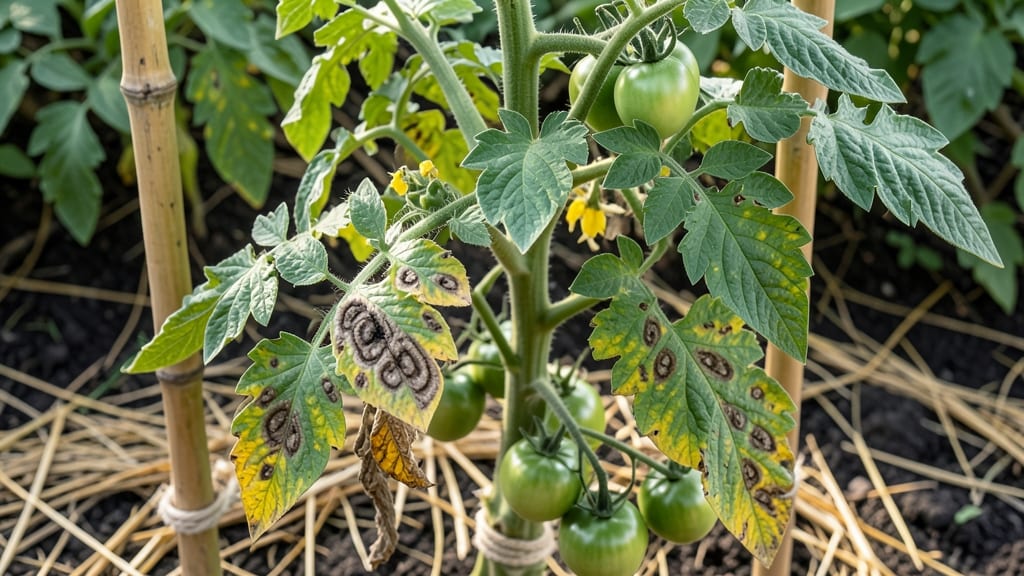
Those dark spots on your alternaria tomato fruit mean this stubborn fungus is stealing your harvest. 🌱 I’ve battled this persistent disease for years, and the key to saving your plants starts with choosing the right varieties—ones that resist infection and keep producing even when the weather turns humid.
The problem isn’t just ugly leaves—it’s the black, sunken spots that ruin fruit before it ripens. Fungal spores spread in warm, wet conditions, and once they take hold, chemical sprays often fail. But resistant varieties like ‘Mountain Merit’ or ‘Defiant PhR’ stay productive while others collapse.
You’ll spot the difference within weeks: glossy, disease-free leaves and tomatoes that stay firm and flavorful. The secret is combining resistant plants with smart spacing and airflow—no more crowded vines begging for trouble. For gardeners tired of losing crops to blight, this is how you turn the tide.
Let’s get those plants thriving again.
Root Causes Of Fungal Spread
When Alternaria fungus targets tomato fruit, it’s rarely a random attack—it thrives because of specific conditions and vulnerabilities in your garden. Understanding these triggers is the first step to stopping the problem before it starts.
Below, we break down the key factors that turn your lush tomato plants into a fungal buffet.
Alternaria isn’t picky—it loves hot, humid conditions, especially when temperatures hover between 75°F and 85°F (24°C–29°C). Here’s why:
- Spores germinate faster in moisture: The fungus releases spores that latch onto wet surfaces (like tomato leaves or fruit). Rain, morning dew, or overhead watering create the perfect launchpad.
- Slow drying = longer infection window: In high humidity, water lingers on plant tissues, giving spores hours to infect rather than minutes. Pro tip: If your tomatoes stay damp for more than 6 hours after watering, you’re in the danger zone. 🌡️
- Heat stress weakens plants: Tomatoes under extreme heat produce thinner cell walls, making them easier targets for fungal penetration.
Fungus hates fresh air—but your tomatoes might be suffocating them. When plants are too close together:
- Stagnant air traps spores: Without airflow, spores from infected leaves or soil linger near healthy fruit, creating a chain reaction. 🌬️
- Leaves stay wet longer: Dense foliage blocks sunlight, slowing evaporation and extending moisture exposure.
- Pruning gaps invite infection: If you’re not removing lower leaves (where spores often hide), they act as fungal reservoirs.
Actionable fix: Space plants 18–24 inches apart and prune suckers to improve airflow. Trellising also helps elevate fruit off damp soil.
Fungal spores are persistent—they can survive in soil for years, waiting for the right conditions to strike. Here’s how contamination spreads:
- Old crop residues: If you grew tomatoes (or other solanaceous plants like peppers/eggplants) in the same spot last year, spores may still be lurking. Alternaria thrives in organic matter, so tilling infected debris just aerates the problem. 🪴
- Dirty pruners or hands: Moving from an infected plant to a healthy one transfers spores. Always sanitize tools with 1 part bleach to 9 parts water or rubbing alcohol.
- Compost from diseased plants: Unless your compost pile reaches 140°F+ (hot enough to kill spores), it’s a breeding ground.
Unscathed tomato skin is your first defense—but scratches, cracks, or insect bites create entry points for Alternaria. Common culprits:
- Hail or wind damage: Bruised fruit is prime real estate for spores.
- Bird pecks or insect feeding: Slugs, fruit flies, and even tomato hornworms can wound tomatoes, leaving them vulnerable. 🐛
- Overripe or cracked tomatoes: As fruit softens, its natural barriers weaken. Harvest promptly when 70–80% ripe to avoid splitting.
Pro tip: Use row covers early in the season to shield tomatoes from wind damage, and handpick pests before they cause harm.
Healthy tomatoes resist Alternaria better than stressed ones. Common stress factors:
- Nutrient deficiencies: Low potassium or calcium (common in sandy soils) thin cell walls, making fruit more susceptible. Test soil and amend with wood ash (for potassium) or crushed eggshells (for calcium). 🥚
- Over- or underwatering: Both extremes disrupt nutrient uptake. Aim for 1–1.5 inches of water per week (deep watering at the base, not overhead).
- Pests or diseases first: If your plants are already battling early blight, septoria leaf spot, or aphids, their defenses are compromised.
How to Fix Fungal Issues
Fungal problems like Alternaria on tomato fruits can be frustrating, but with the right strategies, you can restore your plants to health and prevent future outbreaks. Below, we’ve mapped out practical, step-by-step solutions based on the most common causes—so you can take action fast.
Cause: Leaving diseased tomatoes on the plant spreads spores. Fix:
- 🍅 Pick and toss any tomatoes with black or dark spots (especially if they’re sunken or oily).
- 🗑️ Do NOT compost infected fruit—spores can survive and reinfect. Instead, double-bag and discard in outdoor trash.
- ✂️ Prune nearby leaves if they show signs (yellowing, spots) to stop the spread.
💡 Pro Tip: Wear gloves and long sleeves when handling infected plants to avoid skin contact with spores.
Cause: Poor circulation and overhead watering create damp conditions—perfect for fungi. Fix:
- 🌬️ Space plants 18–24 inches apart (or use cages/stakes to elevate vines).
- 💦 Water at the base (early morning) and avoid wetting leaves. Use a soaker hose or drip irrigation.
- 🌿 Mulch with straw (not plastic) to keep soil dry and reduce splashing.
🌡️ Heat Hack: If humidity is high, run a small fan near plants for 10–15 minutes daily to dry leaves faster.
Cause: Fungi thrive when left unchecked—prevention is key. Fix:
- 🍅 Copper-based sprays (like Bordeaux mixture or copper fungicide) – spray every 7–10 days at the first sign of spots.
- 🌿 Neem oil (1 tsp per quart of water + dish soap as a surfactant) – spray undersides of leaves where spores hide.
- 🍄 Baking soda spray (1 tbsp baking soda + 1 tsp oil + gallon of water) – test on a few leaves first to avoid burns.
⏰ Timing Matters: Apply fungicides preventatively (before rain or high humidity) for best results.
Cause: Weak plants are more susceptible to disease. Fix:
- 🌿 Feed with compost or balanced fertilizer (10-10-10) every 3–4 weeks to strengthen vines.
- 💧 Avoid overwatering—tomatoes hate soggy roots. Let soil dry 1–2 inches deep between waterings.
- 🌱 Interplant with resistant crops like basil, marigolds, or onions to deter fungi naturally.
🎯 Prevention Power Move: Rotate crops—don’t plant tomatoes in the same spot next year (wait 3 years).
If your plants are heavily infected (more than 30% of fruit affected), consider:
- 🍄 Chemical fungicides (like chlorothalonil) as a last resort—follow label instructions carefully.
- 🌱 Replace severely infected plants if they’re past saving (don’t risk spreading spores).
✅ Choose resistant varieties (like ‘Mountain Merit’ or ‘Defiant PhR’). ✅ Start with disease-free seedlings (sterilize pots with 1 part bleach to 9 parts water). ✅ Sanitize tools (pruners, stakes) with rubbing alcohol between uses. ✅ Harvest promptly—ripe tomatoes are less prone to rot.
By acting fast and staying consistent, you can save your crop and keep your garden thriving! 🌱🍅
Frequently asked questions
What do Alternaria spots look like on tomato fruit?
Look for dark brown to black, sunken spots that may have concentric rings (like bullseye patterns) or yellow halos around them. These spots often appear oily or greasy to the touch and can crack open as the fruit ripens. Early signs include tiny specks that grow larger over 5-7 days.
Can you still eat tomatoes with Alternaria?
While not toxic, infected tomatoes may have off flavors and compromised texture. Cut away at least 1 inch around any visible spots before eating, but discard heavily infected fruit. For storage, pick tomatoes when 70-80% ripe to reduce risk of further spread.
How fast does Alternaria spread between plants?
Spores can spread within 24-48 hours under ideal conditions (high humidity + warm temperatures). Wind, water splashing, and contaminated tools accelerate transmission. Remove infected plants immediately and sanitize your workspace to slow the outbreak.
What's the difference between Alternaria and early blight?
Both cause dark spots, but Alternaria primarily targets fruit and stems while early blight focuses on lower leaves with concentric rings. Early blight spots are usually tan with dark edges, while Alternaria spots appear black and sunken. Check both leaves and fruit to confirm.
Will baking soda really prevent Alternaria?
Yes! A 1 tbsp baking soda + 1 tsp oil + gallon of water spray creates an alkaline environment that inhibits fungal growth. Apply every 7-10 days during humid weather, focusing on undersides of leaves where spores hide. Always test on a small leaf area first to check for sensitivity.