
Vegetables
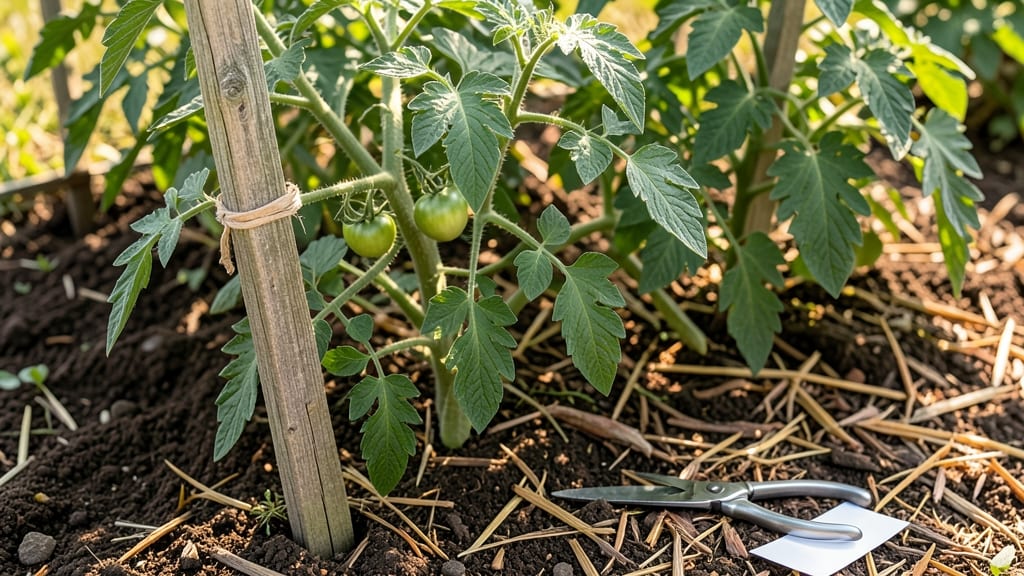
Choosing between Amish Paste and Roma tomatoes means picking a powerhouse for sauces, salsas, or canning—both deliver disease-resistant strength but with key differences. 🌱 I’ve grown both for years, and while they share the same compact, productive nature, Amish Paste wins for flavor depth and Roma for pure canning efficiency.
The Amish Paste grows into a 5-foot-tall bush with 3-4 pound fruits that burst with smoky, sweet notes—perfect for homemade sauces where you want complexity. Roma, on the other hand, stays slightly shorter (4 feet) and produces 2-pound fruits packed with thick flesh and fewer seeds, ideal for quick-processing batches.
You’ll harvest both in waves all summer, but Amish Paste’s larger size makes it the star of restaurant-style marinara, while Roma’s uniformity keeps canning lines moving smoothly. Both handle heat and humidity like champs, but Amish Paste’s thicker skin resists cracking better in heavy rains.
For home gardeners, pick Amish Paste if you love rich flavors and don’t mind bigger fruits; choose Roma for high-volume canning or if space is tight. Either way, you’re getting a foolproof performer that outlasts most heirlooms.
The first product explained
Meet the Amish Paste Tomato—a garden superstar that’s been winning hearts (and kitchens!) for decades. 🍅🔥 Known for its unmatched disease resistance, this heirloom variety is a favorite among homesteaders, farmers, and home gardeners alike.
Whether you're canning, sauces, or fresh eating, this tomato delivers rich, meaty texture and a sweet-tangy flavor that’s hard to beat.
📏 Key Specs & Features
- Type: Indeterminate (vining, grows 6–8 feet tall)
- Mature Size: 3–4 lbs per tomato (perfect for slicing or processing)
- Color: Deep red when ripe, with a glossy finish
- Days to Maturity: ~85 days (early to mid-season)
- Yield: High—expect 20–30 lbs per plant in ideal conditions!
- Disease Resistance: Legendary—resists fusarium wilt, verticillium wilt, nematodes, and more. 🛡️
- Growth Habit: Requires sturdy trellising or caging (those vines get heavy!)
🎯 Who’s It For?
The Amish Paste Tomato is a versatile workhorse designed for:
- 🍅 Home canners & preservers—its thick flesh and low seed count make it ideal for sauces, pastes, and salsas.
- 🌱 Organic & sustainable gardeners—its disease resistance means fewer chemicals and more yield.
- 👨🌾 Small-scale farmers—high productivity and long shelf life make it a commercial favorite.
- 🍽️ Fresh-eaters—sliced or grilled, it holds up beautifully and packs a flavor punch.
💰 Price Point & Availability
Seeds for Amish Paste Tomatoes are affordable and widely available, typically ranging from:
- Seeds: $2–$5 per packet (enough for multiple plants!)
- Transplants: $3–$6 each (check local nurseries or online seed shops).
Pro Tip: 💡 Buy from reputable seed companies like Baker Creek Heirloom Seeds or Seeds of Change for the best germination rates. If you’re new to gardening, start with seeds—it’s cost-effective and rewarding!
The second product explained
Meet the Roma tomato—the classic, crowd-pleasing cousin to the Amish Paste! 🍅✨ This Italian heirloom has been a staple in home gardens and kitchens for generations, prized for its versatility, sweet-tart flavor, and low-seed count. If you're looking for a tomato that delivers consistency, ease of use, and a perfect balance of texture and taste, the Roma is your go-to. Let’s break down why this tomato deserves a spot in your garden (or pantry!).
📏 Specs & Features
The Roma tomato is a plum or paste variety, meaning it’s smaller and firmer than slicing tomatoes, with a thick flesh and minimal juice—ideal for sauces, salsas, and canning. Here’s what sets it apart:
- Size: Typically 2–4 inches long, weighing 3–6 ounces.
- Color: Bright red when ripe (though some varieties like 'Roma VF' stay green until fully mature).
- Flavor Profile: Sweet with a hint of acidity—less watery than slicing tomatoes, making it perfect for cooking.
- Growth Habit: Determinate (bush-type) plants, meaning they produce fruit in clusters and stop growing after a set period. Great for containers or small gardens!
- Days to Maturity: ~70–85 days, depending on climate and variety.
- Yield: High! Expect 10–20 pounds per plant in a single season.
🎯 Target Users
The Roma tomato is a jack-of-all-trades and appeals to a wide range of gardeners and cooks:
- 👩🍳 Home cooks who love making sauces, soups, or stuffed tomatoes.
- 🏡 Small-space gardeners (containers, balconies, or urban plots).
- 🌱 Beginners—Roma plants are forgiving and less prone to cracking than larger varieties.
- 🔄 Canners & preservers—its thick flesh and low moisture make it ideal for paste, ketchup, or sun-dried tomatoes.
- 🌍 Organic growers—many Roma varieties (like 'Roma VF') are disease-resistant (e.g., to verticillium wilt and fusarium).
💰 Price Point & Availability
Roma tomato seeds and plants are highly affordable and widely available:
- Seeds: $2–$5 per packet (organic or heirloom varieties may cost slightly more).
- Transplants: $3–$8 per plant at garden centers or nurseries.
- Organic/Disease-Resistant Varieties: Slightly pricier ($5–$10 for seeds), but worth it for long-term garden health.
- Where to Buy: Local nurseries, online seed banks (like Baker Creek Heirloom Seeds or Burpee), or big-box stores (e.g., Home Depot, Lowe’s).
💡 Pro Tip: If you’re really maximizing flavor, try growing Roma plants in containers with black plastic mulch—this keeps soil warm, deters weeds, and can boost yields by 20–30%!
Head-to-head comparison
Now that we’ve explored the unique strengths of Amish Paste Tomatoes and Roma Tomatoes, let’s dive into a detailed side-by-side comparison to help you decide which one will thrive in your garden—or if you should grow both! 🍅🌱 Whether you’re a seasoned gardener or a curious beginner, this breakdown will highlight key differences in flavor, yield, disease resistance, culinary uses, and more.
🌿 1. Flavor & Culinary Uses: Which Wins for Your Kitchen?
If you’re growing tomatoes for pure taste and versatility, these two varieties offer distinct experiences:
- Amish Paste Tomatoes:
- 🍅 Rich, meaty texture with a sweet-tangy flavor that deepens as they ripen.
- 🥘 Ideal for: Homemade sauces, salsas, and slow-cooked dishes (think hearty tomato soups or stuffed peppers). Their thick flesh holds up beautifully to blending.
- 💡 Pro Tip: Let them ripen fully on the vine for maximum sugar content—this variety rewards patience!
- Roma Tomatoes:
- 🍅 Milder, slightly acidic with a classic canning tomato taste (less sweet than Amish Paste).
- 🥘 Ideal for: Canning, jarred sauces, and quick-cooking recipes (like marinara or pizza sauce). Their low moisture content makes them a canner’s dream.
- 💡 Pro Tip: Harvest when firm but fully colored—overripe Romas can turn mealy, which is a bummer for sauces!
Winner? If you love bold, complex flavors, go for Amish Paste. If you prioritize reliability for canning, Roma is your best bet.
🌱 2. Growth & Yield: Which Tomato Gives You More?
Both varieties are determinate (bush-type, not vining), but their growth habits and productivity differ:
| Factor | Amish Paste Tomato | Roma Tomato |
|---|---|---|
| Plant Height | 3–4 feet tall | 3–4 feet tall |
| Fruit Size | 4–6 ounces (large, beefsteak-style) | 2–3 ounces (plum-shaped, smaller) |
| Yield per Plant | 15–20 lbs (fewer but larger fruits) | 20–30 lbs (more compact fruits) |
| Days to Maturity | 75–85 days | 70–80 days |
| Growth Habit | Slightly spreading (may need staking) | More compact (less prone to sprawling) |
Winner? For quantity, Roma takes the crown. For showstopper-sized tomatoes, Amish Paste steals the show.
🛡️ 3. Disease Resistance: The Ultimate Battle Against Blight
Both varieties are heirloom favorites for their disease resistance, but their strengths shine in different ways:
- Amish Paste Tomatoes:
- 🛡️ Resistant to: Verticillium wilt, Fusarium wilt, and some strains of early blight.
- ⚠️ Watch for: Late blight (common in humid climates) and cracking if soil moisture fluctuates.
- 💡 Pro Tip: Mulch heavily to prevent soil-borne diseases from splashing onto leaves.
- Roma Tomatoes:
- 🛡️ Resistant to: Verticillium wilt, Fusarium wilt, and better tolerance for late blight than many heirlooms.
- ⚠️ Watch for: Cracking (due to uneven watering) and blossom end rot if calcium levels drop.
- 💡 Pro Tip: Use drip irrigation to keep moisture consistent—Romas hate dry spells!
Winner? Both are rockstars for disease resistance, but Romas edge out slightly for late blight tolerance in wetter climates.
💰 4. Price & Availability: Seed vs. Transplant
If you’re budget-conscious, here’s how these tomatoes compare at the seed or nursery level:
| Factor | Amish Paste Tomato | Roma Tomato |
|---|---|---|
| Seed Cost (per packet) | $2.50–$4.00 (heirloom, may cost more) | $2.00–$3.50 (common variety, widely available) |
| Transplant Cost (per plant) | $3.50–$6.00 (less common, check local nurseries) | $2.50–$4.50 (easier to find at big-box stores) |
| Availability | Specialty seed companies (e.g., Baker Creek, Seed Savers Exchange) | Widely available (Home Depot, Lowe’s, local nurseries) |
Winner? Roma is the clear winner for affordability and accessibility. Amish Paste is a splurge-worthy heirloom for flavor enthusiasts.
🏆 5. Final Verdict: Which Should You Grow?
Still undecided? Here’s a quick decision guide based on your priorities:
- Pick Amish Paste if you:
- 🍖 Love bold, meaty tomatoes for sauces and stews.
- 🌿 Prefer a unique heirloom with a following.
- 🏡 Have
Which one should you choose?
So, which tomato reigns supreme in your garden—or your kitchen? The choice between Amish Paste and Roma tomatoes depends on your priorities, whether you're a home gardener, a canning enthusiast, or a fresh-eating foodie. Here’s our verdict to help you decide:
🌱 Pick Amish Paste If...
- You love bold flavor: Amish Paste tomatoes pack a richer, sweeter taste with a meatier texture—perfect for sauces, soups, and stews where depth matters. 🍅🔥
- Disease resistance is a must: Their genetic resilience to common tomato ailments means fewer headaches and more harvests. 🛡️
- You’re all about versatility: From homemade ketchup to fresh salsa, these tomatoes shine in cooked dishes where their robust flavor holds up.
- You’re a gardener in warmer climates: Their heat tolerance makes them a reliable pick for long, productive growing seasons.
🍅 Pick Roma If...
- You prioritize classic canning: Roma tomatoes are the OG paste tomatoes—ideal for sauces, pastes, and salsas where their high solids content is key. 🏆
- You prefer consistency: Their uniform shape and size make them easier to work with in jars or recipes requiring precision.
- You’re a fresh-eating fan: While not as sweet as Amish Paste, Romas still deliver a bright, tangy flavor that’s great in salads or sandwiches.
- You’re short on space: Their bushy growth habit suits containers or smaller gardens better than Amish Paste’s indeterminate vines.
🤝 The Ultimate Compromise?
Why not try both? Plant a few Amish Paste vines for flavor-packed dishes and a couple of Roma bushes for canning. That way, you get the best of both worlds—richness and reliability in one garden! 🌿✨
Pro Tip: If you’re new to gardening, start with Roma for their foolproof nature. If you’re a seasoned grower craving a challenge (and a reward), Amish Paste will steal your heart—and your pantry! 💡