
Plants
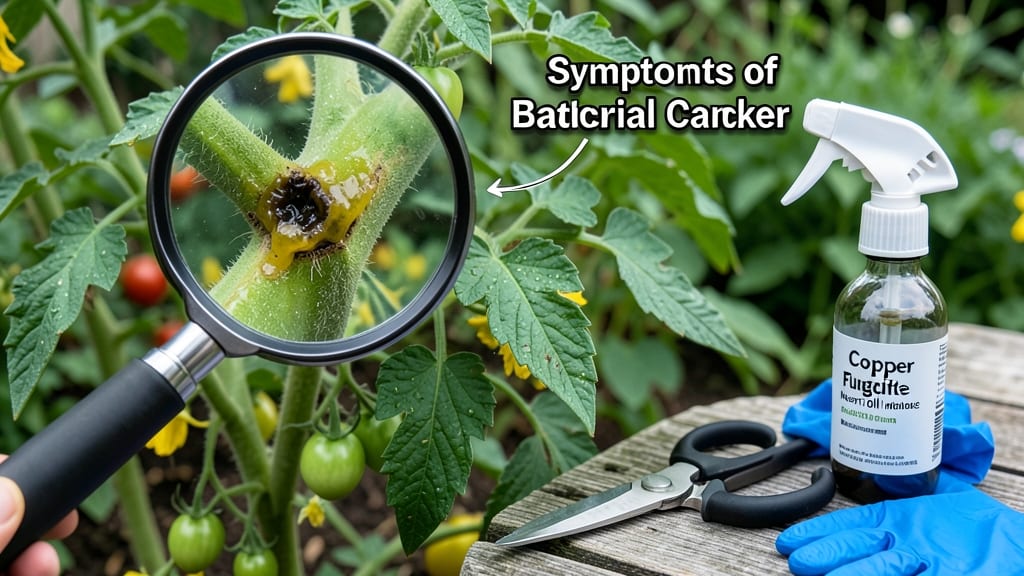
Bacterial canker on tomato plants turns lush vines into a sad, wilted mess overnight—and I’ve seen it destroy entire gardens if you don’t act fast. 🌱 The good news? You can stop it in its tracks with the right moves.
This isn’t just about saving your tomatoes; it’s about keeping your whole garden healthy. The first sign is usually dark, sunken spots on stems or leaves, often oozing a foul-smelling liquid.
Many gardeners mistake it for early blight or even overwatering, but bacterial canker spreads through water splashes and infected tools. That’s why sanitation and speed are your best weapons. With just three targeted steps—removing infected plants, sterilizing tools, and boosting air circulation—you can break the cycle.
I’ve saved crops this way even when neighbors gave up, and the key is acting before the bacteria gets a foothold. This works for home gardens, greenhouses, or even container-grown tomatoes. Let’s get your plants back to thriving in no time.
Root Causes of Tomato Plant Decay
Bacterial canker isn’t just a random attack—it’s the result of specific conditions that create the perfect storm for Clavibacter michiganensis to thrive. Understanding these triggers is half the battle in stopping the spread. Here’s why your tomato plants might be falling victim:
Bacterial canker loves warm temperatures (77–86°F or 25–30°C) combined with high humidity or frequent rain. Here’s why:
- Spores spread faster: Warm, moist air helps bacterial ooze (a sticky, yellowish fluid) splash from infected leaves to wounds or stems.
- Slow drying: Humidity prevents wounds from drying quickly, giving bacteria more time to invade. Even a light rain can reactivate dormant spores.
- Stress on plants: Heat stress weakens tomato plants, making them more susceptible to infection.
Actionable fix: Space plants for airflow, water in the early morning (not overhead), and use row covers during rainy seasons.
Tomato plants aren’t built with armor—they’re soft, and bacteria exploit every crack. Common wound sources include:
- 🍃 Pruning cuts: If you snip stems with dirty tools, bacteria hitchhike into fresh wounds.
- 🐛 Insect damage: Hornworms, aphids, or even wind can create tiny tears in leaves and stems.
- 🌱 Transplant shock: Rough handling during planting can bruise roots or stems.
- 🌡️ Hail or frost: Physical damage from weather opens gates for infection.
Actionable fix: Sterilize pruners with 70% isopropyl alcohol between cuts, avoid overhead watering, and inspect plants daily for new damage.
Bacterial canker can linger in soil for years and hide on tools, making it a persistent problem. How?
- Old plant debris: Infected stems or leaves left in soil release bacteria when they decompose.
- Reused containers: Pots or trellises from last season may still harbor Clavibacter.
- Shared tools: Pruners, trowels, or even gloved hands can transfer bacteria between plants.
Actionable fix: Remove all infected plant material (don’t compost it!) and solarize soil in late summer (cover with clear plastic for 4–6 weeks). Disinfect tools with bleach solution (1 part bleach to 9 parts water).
When tomato plants are competing for nutrients, light, or water, their immune systems weaken—making them easy targets. Stressors include:
- 🌱 Poor spacing: Plants touching each other trap humidity and spread spores faster.
- 💧 Irregular watering: Drought stress followed by sudden soaking creates ideal bacterial conditions.
- 🍄 Nutrient deficiencies: Low potassium or nitrogen weakens cell walls.
- 🌡️ Extreme heat/cold: Temperature swings shock plants, making them vulnerable.
Actionable fix: Space plants 18–24 inches apart, mulch to retain even moisture, and fertilize with balanced tomato food (10-10-10 or 5-10-10).
💡 Pro Tip: If you’ve had bacterial canker before, plant resistant varieties like ‘Mountain Merit’ or ‘Celebrity’—they’re bred to tolerate the disease better.
Quick Fixes for Tomato Plant Diseases
If your tomato plants are showing signs of bacterial canker—think oozing cankers, wilting leaves, or dark spots—don’t panic! Acting fast can save your harvest. Below are targeted solutions mapped to the most common causes, along with prevention tips to keep your garden healthy. 🌱💪
If bacterial canker has already taken hold, the first step is containment. Infected plants can’t be saved, and the bacteria spreads quickly through water, tools, and even your shoes. Here’s how to handle it:
- 🔪 Prune infected stems at least 6 inches below the visible canker using sterilized pruners (wipe with rubbing alcohol between cuts).
- 🗑️ Dispose of infected plant parts in the trash—not your compost bin! The bacteria can survive in compost and reinfect your garden.
- 🚫 Avoid working with plants when they’re wet—this reduces the risk of splashing bacteria onto healthy foliage.
Pro tip: Wear gloves when handling infected plants to avoid spreading bacteria to other areas of your garden. 🧤
Bacterial canker thrives in wet conditions, so how you water your tomatoes makes all the difference. Switch to these habits:
- 💧 Water at the base (not overhead) to keep leaves dry. Use drip irrigation or soaker hoses for precision.
- ⏰ Water early in the morning so foliage has time to dry before evening humidity sets in.
- 🌡️ Avoid late-season watering—once temperatures drop, wet leaves stay damp longer, giving bacteria a chance to spread.
Pro tip: If you must water by hand, aim for the soil and avoid splashing. A gentle stream works better than a sprinkler! 🌊
Bacterial canker can linger on tools, mulch, and even soil. Disinfection is key to preventing reinfection:
- 🔬 Sterilize pruners and knives with a 10% bleach solution (1 part bleach to 9 parts water) or rubbing alcohol after each use.
- 🧹 Remove plant debris from the garden bed—burn it if possible, or bag it for trash pickup.
- 🌿 Rotate crops next season—don’t plant tomatoes or related plants (like peppers or eggplants) in the same spot for at least 3 years.
Pro tip: Keep a small spray bottle of rubbing alcohol handy in your gardening tool shed for quick tool sterilization between cuts. ✨
A healthy tomato plant is better equipped to resist bacterial canker. Strengthen your plants with these care strategies:
- 🌱 Use well-draining soil—amend clay soil with compost or sand to improve drainage.
- 🍽️ Fertilize wisely—too much nitrogen encourages lush foliage but weakens stems. Use a balanced fertilizer (like 10-10-10) and follow package instructions.
- 🌞 Ensure 6–8 hours of sunlight daily—healthy plants grow faster and recover better from stress.
Pro tip: Companion planting with garlic, onions, or marigolds may help deter bacterial spread naturally. 🧄🌼
Once you’ve treated the current infection, take these steps to keep bacterial canker from returning:
- 🌧️ Improve airflow—space plants 18–24 inches apart and prune lower leaves to reduce humidity near the soil.
- 🌱 Choose resistant varieties—some heirloom tomatoes (like ‘Mountain Merit’) are less susceptible to bacterial canker.
- 🚫 Avoid overhead irrigation—stick to drip systems or hand watering at the base.
- 📅 Monitor plants regularly—catch early signs (like yellowing leaves or small cankers) before they spread.
Pro tip: If you’re in a high-risk area (like a humid climate), consider using a copper-based fungicide as a preventive spray in early spring. 💧🔄
With these steps, you’ll not only stop bacterial canker in its tracks but also create a healthier, more resilient garden for next season. Happy growing! 🍅🌿
Frequently asked questions
What does bacterial canker look like on tomato plants?
Look for dark, sunken spots on stems or leaves that ooze a yellowish, foul-smelling liquid when wet. The edges of these spots often appear slightly raised, and infected areas may wilt or die back. Unlike fungal diseases, bacterial canker spreads quickly through water splashes.
Can I save a tomato plant with bacterial canker?
Unfortunately, once infected, you cannot save the plant. The bacteria spreads aggressively, and removing only the infected parts rarely stops the disease. Instead, prune out the entire infected plant, sterilize your tools, and focus on preventing spread to healthy plants.
How do I tell bacterial canker apart from early blight?
Early blight causes concentric brown spots on leaves (like bullseyes) and rarely oozes liquid. Bacterial canker has sunken, oozing cankers on stems, wilting, and a foul odor. Another clue: early blight thrives in cool, wet conditions, while bacterial canker loves warm, humid weather.
Is bacterial canker contagious to other plants?
Yes! It spreads easily to other tomatoes, peppers, and eggplants through water, tools, or even your shoes. The bacteria can survive in soil for years, so avoid planting susceptible crops in the same spot for at least 3 years. Always sterilize tools between gardens.
What’s the fastest way to sterilize gardening tools?
Use a 10% bleach solution (1 part bleach to 9 parts water) or 70% isopropyl alcohol. Soak tools for 5 minutes, then rinse and dry. For quick fixes, a spray bottle of rubbing alcohol works well between cuts. Never skip this step—bacteria hitchhikes on dirty tools!