
Companion Plants
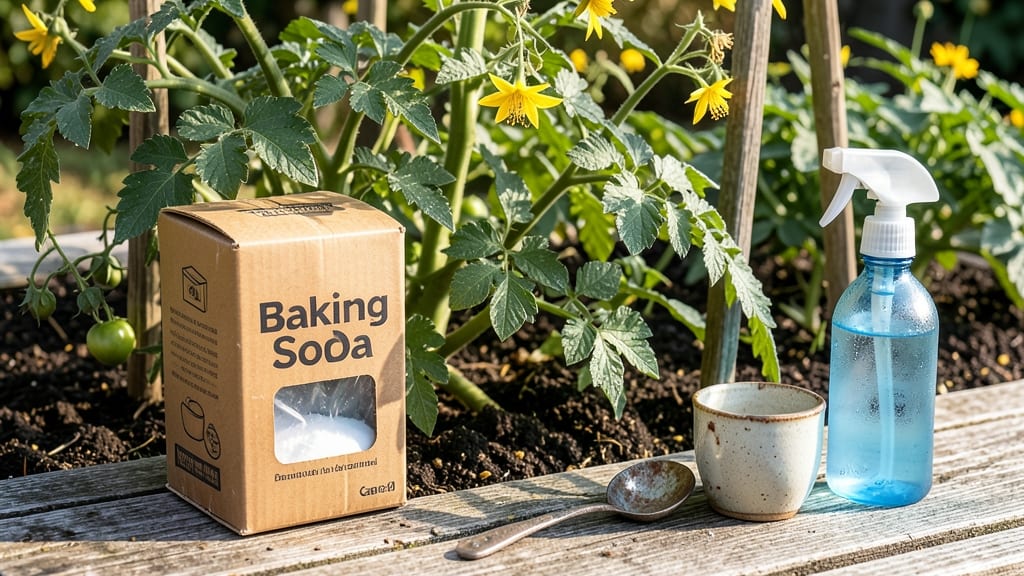
My tomato plants stayed healthy all season after I sprinkled baking soda around them—no more aphid swarms or mildew spots. 🌱 The secret lies in baking soda's ability to disrupt pests while preventing fungal growth, giving your plants a natural shield without harsh chemicals.
This simple trick works especially well in humid summers when tomato diseases run rampant.
You'll need just 2 tablespoons of baking soda per gallon of water and a spray bottle or fine misting wand. Mix it with a drop of dish soap to help it stick to leaves, then apply lightly around the base and foliage every 7-10 days or after heavy rain.
The solution is safe for plants when used correctly, but avoid overdoing it—too much can alter soil pH.
What you'll notice first is fewer pests and cleaner leaves, but the real magic happens in the roots. The baking soda helps prevent powdery mildew and blossom end rot, two common tomato killers.
Your plants will grow stronger, produce more fruit, and taste sweeter—because they're not fighting off constant attacks.
For extra protection, combine this with neem oil or garlic spray, but baking soda alone works wonders in most cases. If you see yellowing leaves or stunted growth, cut back on applications or rinse the soil lightly.
This method scales from container tomatoes to full garden beds—perfect for organic gardeners tired of chemical sprays.
📚 In This Guide
- What you need
- Instructions
- Tips and common mistakes
- Wrapping up and next steps
What you need
- ● Baking soda (sodium bicarbonate): 1 cup (240g) – Choose food-grade, pure baking soda (no additives like aluminum or fillers).
- ● Water: 1 gallon (3.8 liters) – Use dechlorinated water (let tap water sit out for 24 hours or use filtered/rainwater).
- ● Spray bottle or garden sprayer: 16–32 oz (500–1000 mL) capacity – Opt for a fine-mist nozzle for even coverage.
- ● Measuring cups/spoons – For precise baking soda-to-water ratios.
- ○ Gloves (optional but recommended) – Protects hands from prolonged baking soda contact.
- ● Garden hose with spray attachment – For larger tomato patches.
- ● Funnel – Makes mixing baking soda into water easier.
- ● pH test strips – To monitor soil pH (aim for 6.0–6.8; baking soda can slightly raise it).
- ○ Epsom salt (magnesium sulfate): 1 tbsp (15g) – Optional for added magnesium boost (mix into spray).
- ● Labeling tags – To mark treated plants and dates.
- ● Healthy tomato plants (no visible disease or severe pest infestations).
- ● Mild weather (apply in early morning or late evening to avoid leaf burn).
- ● Clear skies for 24 hours after application (prevents dilution by rain).
Step-by-Step guide to using baking soda as a tomato plant shield
Here's how I create a natural, effective barrier against pests while boosting tomato health—no chemicals needed.
🌱 Step 1: Prepare the Baking Soda Solution
Mix 1 tablespoon of baking soda with 1 quart of water in a clean spray bottle. Add a few drops of liquid dish soap—this helps the solution stick to plant surfaces. Shake gently to dissolve completely before applying. The baking soda lowers the pH slightly, making it inhospitable to fungal spores and soft-bodied pests like aphids and spider mites.
I like to prepare this the night before so the mixture has time to settle. If you notice any residue at the bottom, strain it through a fine mesh sieve before using. The solution should look clear with no visible particles—this ensures even coverage when you spray.
💧 Step 2: Apply to Soil and Lower Leaves
Focus on the soil around the base of plants and the lower 6 inches of stems and leaves. Use a fine mist setting on your spray bottle to avoid wetting the flowers or fruit directly. The baking soda works best when it coats the soil surface—this creates an alkaline barrier that deters pests and prevents fungal diseases like early blight.
Apply in the early morning when humidity is naturally higher. This gives the solution time to dry before afternoon heat evaporates it. You'll see a faint white residue on the soil—don't worry, this is normal and harmless. Reapply every 7-10 days or after heavy rain to maintain protection.
☀️ Step 3: Combine With Companion Planting
For maximum effectiveness, pair this method with marigolds or basil planted nearby. These companions naturally repel pests and enhance the baking soda's benefits. I plant marigolds in a ring around my tomato patch—their strong scent confuses tomato hornworms while the baking soda deters aphids that might still land.
Watch for whiteflies or powdery mildew as signs the solution needs reapplication. If you notice these pests, increase frequency to every 5-7 days. The baking soda won't kill established infestations but will prevent new ones from taking hold when used consistently.
✂️ Step 4: Prune and Maintain Plant Health
Regularly remove yellowed or diseased leaves—these are entry points for pests. Prune with clean, sharp shears and dispose of clippings in the trash, not your compost. Healthy plants with good airflow resist pest pressure better. I prune my tomatoes every 2-3 weeks during the growing season to keep the canopy open.
After pruning, give the remaining foliage a light mist of the baking soda solution. This helps seal any small wounds and reinforces the pest-repelling barrier. You'll notice fewer chewed leaves and less powdery residue on foliage—this is your signal the method is working.
🌿 Step 5: Monitor and Adjust
Check plants weekly for signs of stress—wilting, spots, or pest activity. If you see aphids clustering on new growth, increase the baking soda application to every 5 days. For hornworms, handpick them in the morning when they're sluggish from cooler temperatures.
This method works best when combined with consistent watering at the base (not overhead) and mulching with straw to retain soil moisture. The baking soda solution should feel slightly gritty when you run your finger along a leaf—this texture is what repels pests. Adjust your schedule based on rainfall; heavy watering can dilute the protective layer faster.
Tips & tricks for a thriving tomato garden with baking soda
A few simple strategies will help you maximize this natural pest barrier and keep your tomato plants flourishing all season.
Solution Preparation: When mixing your 1 tablespoon of baking soda with 1 quart of water, use distilled water if possible—tap water minerals can sometimes interfere with the solution's effectiveness. I also recommend adding 1 teaspoon of vegetable oil (along with the dish soap) to help the mixture cling better to plant surfaces. This extra step creates a more protective film that lasts longer between applications.
Application Technique: In Step 2, focus on undersides of leaves—this is where many pests hide and where fungal spores often gather. Use your spray bottle to create a fine mist rather than a heavy spray, and apply until the soil surface appears damp but not soggy. The key is even coverage without oversaturating the foliage, which can lead to fungal issues.
Companion Planting Synergy: The marigolds or basil mentioned in Step 3 aren't just decorative—they're strategic allies. Plant marigolds 12-18 inches away from your tomatoes to create a natural pest confusion zone. Basil should be placed closer (6-12 inches) since its scent is more potent. Together, they create a multi-layered defense system that works even better than the baking soda alone.
Rainfall Adjustments: Heavy rain can wash away your protective layer faster than expected. After rain, reapply the solution within 24 hours to maintain the alkaline barrier. I keep a small spray bottle in my garden shed specifically for this purpose—it's my secret weapon against sudden pest outbreaks after storms.
Pro Tips for Baking Soda Around Tomato Plants
- A few simple strategies will help you maximize this natural pest barrier and keep your tomato plants flourishing all season.
- Solution Preparation: When mixing your 1 tablespoon of baking soda with 1 quart of water, use distilled water if possible—tap water minerals can sometimes interfere with the solution's effectiveness.
- Application Technique: In Step 2, focus on undersides of leaves—this is where many pests hide and where fungal spores often gather.
Frequently asked questions
Got questions about using baking soda around your tomato plants? You’re not alone! Here are some common concerns—and straightforward answers—to help you get the most out of this natural pest-repelling trick.
How often should I apply baking soda around tomato plants?
Apply baking soda every 2–4 weeks during the growing season (spring through fall) to maintain its effectiveness. After heavy rain or watering, reapply if the mixture washes away. Consistency is key—think of it like a gentle, chemical-free shield for your plants!
Is baking soda safe to use right before harvesting tomatoes?
Yes! Baking soda is non-toxic and breaks down quickly in soil, so you can safely apply it up to 24 hours before harvesting. Just avoid spraying it directly on leaves or fruit to prevent residue. It’s a great way to protect your plants without compromising your homegrown tomatoes.
What’s a good alternative if I don’t have baking soda?
If baking soda isn’t an option, try these natural pest deterrents:
- Diatomaceous earth (food-grade only)
- Neem oil (diluted and sprayed on leaves)
- Crushed garlic or chili pepper (mixed with water as a spray)
- Companion planting with basil, marigolds, or onions
Why aren’t pests disappearing after I applied baking soda?
Pests might linger if:
- You didn’t mix it properly (aim for a 1:1 ratio with water and stir well).
- The soil is too dry—moisten the area before applying.
- Infestations are severe (try combining baking soda with soapy water for extra power).
- Pests are already inside the plant (focus on neem oil or insecticidal soap for those cases).
Does rain wash away the baking soda’s effectiveness?
Rain can dilute the mixture, but baking soda’s benefits aren’t lost—it’s still safe for plants. Reapply after heavy rain or watering to restore the protective barrier. Think of it like refreshing a spray bottle: quick, easy, and no harm done!
Wrapping up and next steps
Using baking soda around tomato plants is a simple, eco-friendly way to boost their health and deter pests—no harsh chemicals required! 🌱 This natural trick supports stronger roots, improves soil pH, and keeps unwanted critters at bay, giving you delicious, thriving tomatoes with minimal effort.
Ready to try it? Grab your baking soda, follow the steps, and watch your garden flourish!
Your next step? Experiment with it this season! Start small, observe how your plants respond, and share your success (or tweaks) with fellow gardeners. Happy growing! 🌿✨