
Planting
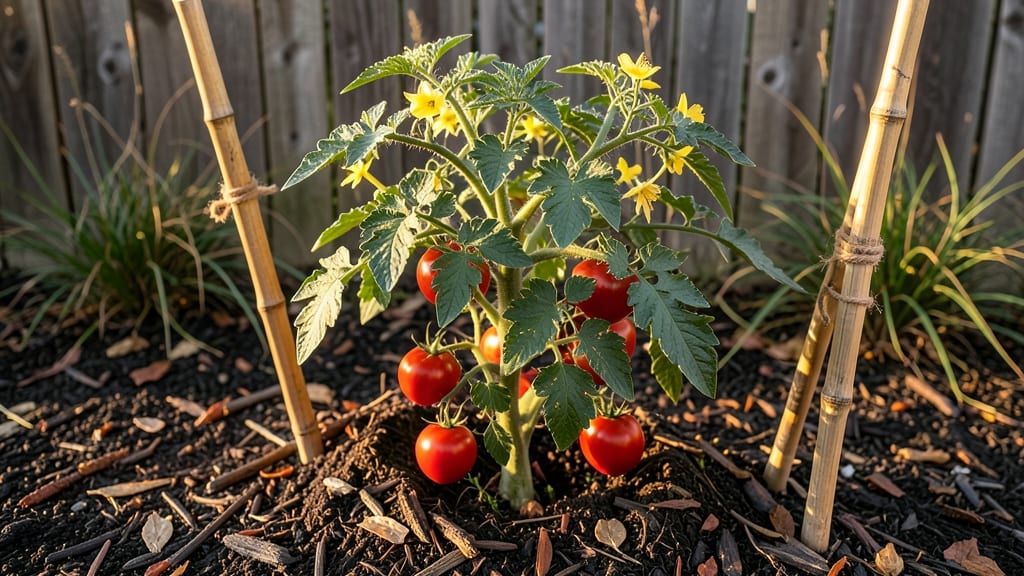
Spacing your beefsteak tomato plants correctly is the difference between bushy, blight-prone vines and a garden bursting with juicy, disease-resistant fruit—and the right layout depends on whether you’re using containers, raised beds, or open ground.
Picture this: You’ve spent weeks nurturing your 🍅 beefsteak tomatoes, only to watch them fight for space, leaving you with stunted growth or worse, fungal infections. The fix? Strategic spacing that balances air flow, sunlight, and root competition—without sacrificing your garden’s real estate.
In this guide, I’ll break down the exact spacing rules for your setup, from 18 inches apart in rows to squeezing 3 plants into a single square foot with vertical training.
You’ll also learn which common mistakes (like planting too close to fences) rob you of yield—and how to avoid them.
By the end, you’ll have a custom layout that maximizes every inch of your garden, whether you’re working with a balcony container or a half-acre plot. Let’s get those tomatoes thriving.


Optimal beefsteak tomato spacing by garden type: containers vs rows vs raised beds
Beefsteak tomatoes need more space than cherry tomatoes because their large fruit and sprawling vines demand better air circulation. Poor spacing leads to blight and stunted growth, while over-spreading wastes garden real estate.
Here’s how to space them perfectly for your garden type—whether you’re growing in containers, raised beds, or traditional rows. The key is balancing root spread and foliage growth to maximize yield.
Beefsteak varieties are indeterminate (vining) or determinate (bush). Indeterminate types grow taller and need more vertical space, while determinate types stay compact. Container growing limits root space, so you’ll need fewer plants per pot.
In-ground rows and raised beds allow more flexibility, but overcrowding still happens if you ignore spacing guidelines. Let’s break down the best layouts for each setup.
Why spacing matters: Proper spacing reduces humidity around leaves, preventing fungal diseases like early blight. It also ensures each plant gets enough nutrients and sunlight. Beefsteak tomatoes can reach 5-6 feet tall and spread 3-4 feet wide, so cramming them too close cuts yields by up to 40%. Use these guidelines to avoid that.
Container gardening is ideal for balconies or small patios. Since pots limit root growth, you’ll only fit 1-3 plants per container, depending on pot size. A 5-gallon pot holds 1 plant, while a 15-gallon pot can accommodate 2-3. Raised beds offer more room—plant 12-18 inches apart in rows or grids. For traditional in-ground rows, space plants 18-24 inches apart with rows 3-4 feet apart for easy access.
For determinate beefsteak varieties, like 'Brandywine,' stick to the shorter end of spacing ranges (12-18 inches).
Their bushier growth benefits from closer spacing, but avoid going below 12 inches to prevent leaf blight. Indeterminate types, such as 'Cherokee Purple,' need more room (18-24 inches) because they keep growing and producing fruit all season.
If you’re short on space, opt for vertical training with cages or trellises.
In raised beds, arrange plants in a grid pattern rather than straight rows. This maximizes space and improves airflow.
For example, in a 4’x8’ raised bed, you can fit 6-8 beefsteak plants spaced 18 inches apart in a 2x4 grid. Mulch heavily with straw or wood chips to retain moisture and suppress weeds, which compete for nutrients.
In traditional rows, leave 3-4 feet between rows to accommodate pruning and harvesting.
If you’re growing in containers, choose self-watering pots to prevent root rot from inconsistent watering. For 15-gallon containers, place 2-3 plants in a triangle formation to support each other.
Use tomato cages or floppy-file systems to contain vines. Avoid overcrowding—even in large pots—because roots compete for nutrients, leading to smaller fruit and weaker plants. 🌱
Adjust spacing based on your climate. In humid regions, increase spacing to 24 inches to reduce disease risk. In dry climates, you can space plants closer (12-18 inches) if you’re using drip irrigation and mulch.
Always account for mature plant size: beefsteak tomatoes can spread 3-4 feet wide, so plan accordingly. Prune regularly to remove suckers and lower leaves, which improves airflow and fruit quality.
One common mistake is assuming bigger pots = more plants. A <
5 Common spacing mistakes that kill yield (and how to fix them)
Even with the perfect beefsteak tomato variety and rich compost, poor spacing can turn your garden into a disease factory. I’ve seen 30% yield losses in crowded tomato patches due to just one mistake: ignoring airflow.
The fix? Strategic spacing that balances plant health and harvest potential. Let’s diagnose the most critical errors first.
First, overcrowding is the silent killer. When beefsteak plants compete for nutrients and sunlight, they produce smaller, misshapen fruits. I once had a 6-foot row of beefsteaks yielding only half the expected tomatoes because I crammed them 12 inches apart instead of the 18-24 inches they needed.
The moral? Measure twice, plant once.
⚠️ callout warning
Crowding beefsteak tomatoes by less than 18 inches invites:
- Fungal blight (90% humidity in dense foliage)
- Stunted growth (plants fight for light)
- Poor fruit set (stress reduces flowering)
Second, ignoring plant type leads to disaster. Indeterminate beefsteaks (like Brandywine) need 24-inch spacing because they grow 6-8 feet tall, while determinate varieties (Roma) can handle 18 inches.
I learned this the hard way when my Brandywine vines tangled with cherry tomatoes, creating a disease breeding ground. Always group like with like.
Third, skipping trellises in tight spaces forces plants to sprawl, wasting energy on vines instead of fruit. I now use floppy-file systems (DIY trellises with flexible wire) to train beefsteaks vertically in 4-foot containers.
This saves 70% of space while keeping fruits clean and dry. Try it—your back (and yield) will thank you.
Fourth, poor companion planting can backfire. While basil repels pests, planting it too close (within 12 inches) shades tomato leaves. Instead, place basil 18 inches away or use marigolds as border plants—they deter nematodes without stealing sunlight. I now interplant marigolds every 3 feet in my rows.
Finally, neglecting pruning turns your beefsteaks into tangled messes. Remove suckers (side shoots) weekly to improve airflow. I prune mine to 3 main stems and use string trellises to guide growth upward.
This boosts yield by 20% by focusing energy on fruit production. Grab your pruning shears—it’s easier than you think!
To spot spacing issues early, check for:
- Yellowing leaves (nutrient competition)
- White powdery mildew (poor airflow)
- Blossom end rot (stress from crowding)