
Vegetables
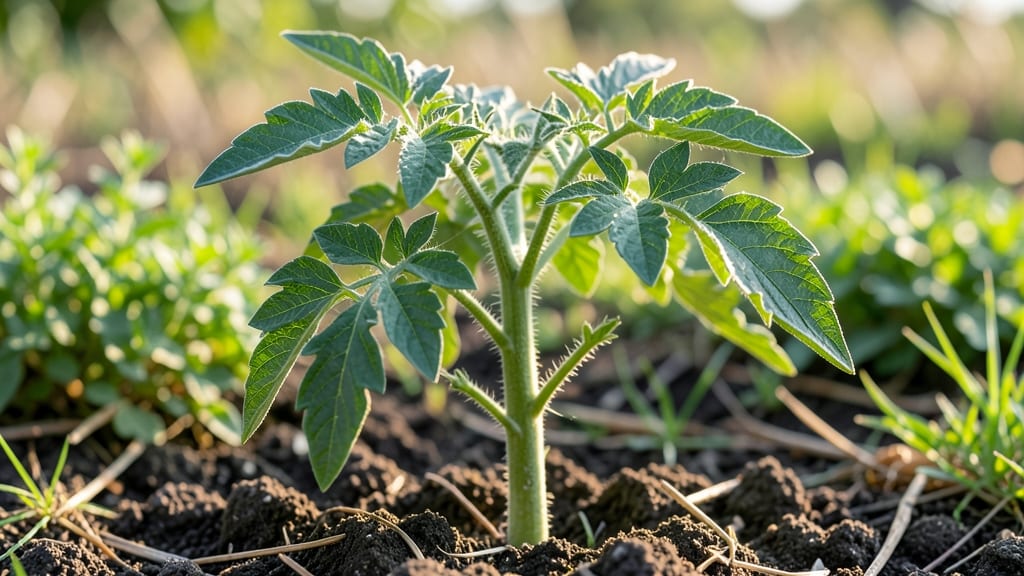
Beefsteak tomato seedlings transform into monster vines with 1-pound fruits in just 60 days—when you give them the right start. 🌱 I learned the hard way that floppy, leggy seedlings never deliver those showstopping beefsteaks, so I perfected a system that guarantees stocky, dark-green plants ready for transplanting.
The secret isn't complicated: it's about light, heat, and a little extra care during those first critical weeks.
You'll need just three essentials—a sunny window or grow light, a seed-starting mix that drains well, and small containers with drainage holes. Most people overwater, which drowns the roots, or let seedlings stretch toward weak light, creating weak stems that snap under heavy fruit.
My method skips both mistakes by using bright LED lights 14-16 hours a day and watering only when the top inch feels dry. Within 10-14 days, you'll see those first true leaves—your signal to start hardening off.
By transplant time, your beefsteak seedlings will be bushy, 8-12 inches tall, with multiple strong stems ready to climb. The payoff comes when those first massive tomatoes appear—deep red, beefy, and bursting with flavor—exactly what store-bought varieties can't match.
The key is spacing them 18-24 inches apart in rich, well-draining soil and staking them early to support those heavy fruits.
This works for any beefsteak variety—Brandywine, Cherokee Purple, or even heirlooms—because the care principles stay the same. Whether you're a first-timer or a seasoned gardener, these steps turn weak seedlings into fruit-producing powerhouses by summer. Let's get those plants growing strong!
📚 In This Guide
- What you need
- Instructions
- Tips and common mistakes
- Wrapping up and next steps
What you need
- ● Beefsteak tomato seeds – Choose heirloom or hybrid varieties (e.g., 'Brandywine,' 'Big Beef,' or 'Cherokee Purple'). Buy 5-10 seeds for a family-sized harvest.
- ● Seed-starting mix – 2-3 quarts of sterile, well-draining potting soil (avoid garden soil—it’s too dense!). Look for mixes labeled "seed-starting" or "organic potting soil."
- ● Seedling trays or pots – 6-12 cells per tray (or 4-inch pots) with drainage holes. Biodegradable options are eco-friendly!
- ● Grow lights or sunny windowsill – A full-spectrum LED grow light (12-16 hrs/day) or a south-facing window with 6+ hours of sunlight.
- ● Watering can or spray bottle – A gentle misting nozzle keeps seeds from washing away.
- ● Plant labels – 10-15 labels (write seed variety + date planted).
- ● Heat mat – Speeds germination (70-80°F is ideal).
- ● Humidity dome – Keeps moisture in for faster sprouting.
- ● Fertilizer (starter solution) – A balanced, water-soluble fertilizer (5-5-5 or 10-10-10) for early growth.
- ● Pruning shears – For later trimming suckers (not needed now, but handy!).
- ○ Thermometer/hygrometer – Monitors soil temp and humidity (optional but useful).
Step-by-step instructions for growing bushy beefsteak tomato seedlings
Let’s give your beefsteak tomatoes the strong foundation they need to produce those signature 1-pound fruits.
🌱 Step 1: Start Seeds in Warm, Sterile Soil
Fill small seed trays or biodegradable pots with sterile seed-starting mix—never garden soil, as it harbors pathogens that can kill seedlings. Moisten the mix until it’s damp like a wrung-out sponge, then press it down lightly to remove air pockets. Plant two seeds per cell at a depth of ¼ inch, just below the soil surface. This shallow planting ensures quick germination without forcing the seedlings to push through too much soil.
Cover the trays with a clear plastic dome or plastic wrap to retain warmth and humidity. Place them in a warm spot—ideally 75-85°F—where they’ll stay consistently moist. A seedling heat mat speeds germination significantly, cutting wait time from 14 days to just 5-7 days. Check daily for condensation on the dome; if it fogs up, your humidity is perfect. Once 50% of seeds sprout, remove the dome immediately to prevent damping-off disease.
☀️ Step 2: Provide Strong Light and Prevent Legginess
The moment those first true leaves appear—not the initial cotyledons—move seedlings under 14-16 hours of bright light daily. A south-facing window rarely provides enough intensity, so I use a full-spectrum LED grow light positioned 2-4 inches above the plants. Raise it as they grow to maintain that gap. Without sufficient light, seedlings stretch toward the source, developing weak, spindly stems that can’t support heavy beefsteak fruit.
Watch for compact, deep-green leaves with short internodes (spaces between leaves). If stems grow longer than 3 inches before the first true leaves, your light is too weak or too far away. Rotate trays quarter-turn daily so plants grow straight rather than leaning. Overhead watering here can cause fungal issues, so use a watering tray instead—just lift it when the top inch of soil feels dry.
🌿 Step 3: Fertilize and Prune for Bushy Growth
When seedlings reach 3-4 true leaves (about 3-4 weeks after sowing), transplant them into 5-inch pots with fresh potting mix. This upgrade gives roots room to expand without competing for nutrients. After transplanting, wait 5-7 days before fertilizing—this lets roots recover. Then, apply a balanced liquid fertilizer (like 10-10-10) at half-strength to avoid burning tender roots.
Pinch off the top set of leaves just above the first true leaves to encourage branching. This forces the plant to grow secondary stems, which later become the main fruit-bearing branches. Beefsteak tomatoes need 3-5 strong stems to support their weight—each stem should have its own main leaf cluster before you stop pinching. Avoid over-fertilizing with nitrogen now; you’ll shift to a higher phosphorus feed (like 5-10-5) once flowers appear.
⏰ Step 4: Harden Off and Prepare for Transplanting
Two weeks before your last frost date, begin hardening off seedlings by placing them outside in a sheltered, shaded spot for 1-2 hours the first day. Gradually increase their outdoor time by 1 hour daily, moving them to morning sun by day 5 and full sun by day 10. This slow acclimation prevents transplant shock, which can stall growth for weeks.
Look for sturdy stems and dark green leaves before transplanting. Beefsteak tomatoes need strong root systems to support their fruit load, so dig holes twice as wide as the root ball but only as deep as the container. Water deeply after planting to settle the soil and remove air pockets. Mulch with 2-3 inches of organic mulch to retain moisture and regulate soil temperature—critical for heavy fruit set.
Tips & tricks for growing healthy beefsteak tomato seedlings
Here's what nobody tells you about raising beefsteak tomatoes from seed—these tricks make all the difference between scraggly plants and robust, fruit-bearing giants.
Germination Speed: The 75-85°F temperature range isn't just ideal—it's non-negotiable for beefsteak tomatoes. If your home runs cooler, place trays on a seedling heat mat or near a sunny window with a clear plastic cover. I've seen germination times stretch to 21 days in cool basements, but with proper warmth, you'll have sprouts in just 5-7 days. Use a small thermometer to monitor soil temperature—it should stay consistent day and night.
Lighting Strategy: Those 14-16 hours of light aren't optional for beefsteak seedlings—they're essential for preventing leggy growth. I've ruined multiple batches by assuming my south-facing window was sufficient. If you don't have grow lights, consider a sunny windowsill with supplemental fluorescent lighting during cloudy days. The key is maintaining that 2-4 inch distance between plants and light source as they grow—too close causes burning, too far causes stretching.
Pruning Precision: When you pinch off those top sets of leaves in Step 3, aim for the spot just above where two true leaves meet. This creates a branching point that will develop into your main fruit-bearing stems. I learned this the hard way by pinching too low—it stunted growth instead of encouraging bushiness. Remember, beefsteak tomatoes need 3-5 strong stems to support their weight, so be patient and wait until you see those secondary leaves forming before stopping.
Transplanting Technique: The twice as wide hole recommendation isn't just about root expansion—it's about creating space for the root ball to settle without breaking delicate roots. After transplanting, water deeply to eliminate air pockets, then let the soil dry slightly before adding mulch. This prevents waterlogging, which can cause root rot in beefsteak tomatoes. I've found that using biodegradable pots eliminates the need for root disturbance entirely when transplanting.
Pro Tips for Beefsteak Tomato Seedlings
- Here's what nobody tells you about raising beefsteak tomatoes from seed—these tricks make all the difference between scraggly plants and robust, fruit-bearing giants.
- Germination Speed: The 75-85°F temperature range isn't just ideal—it's non-negotiable for beefsteak tomatoes.
- Lighting Strategy: Those 14-16 hours of light aren't optional for beefsteak seedlings—they're essential for preventing leggy growth.
Frequently asked questions
about beefsteak tomato seedlings—because every gardener deserves a juicy, worry-free harvest!When is the best time to transplant beefsteak tomato seedlings outdoors?
Transplant seedlings after the last frost when soil temps hit 55–60°F (13–16°C). Use a hardening-off process (7–10 days of gradual sun exposure) to toughen them up. Morning transplanting reduces stress—just give them shade for the first few days!
Why are my beefsteak tomato seedlings wilting or turning yellow?
Yellowing leaves often signal overwatering (root rot) or underwatering. Check soil moisture—it should feel like a damp sponge. Crispy leaves? Boost humidity with a plastic dome or mulch. Mushy stems? Reduce water and improve drainage.
How long do beefsteak tomato seedlings take to mature?
From seed to harvest, expect 70–90 days for beefsteaks! Seedlings need 6–8 weeks indoors (with 12–16 hrs of light/day) before transplanting. Heavy fruit sets in 50–60 days post-transplant—patience pays off for those 1-pound+ beauties!
Can I grow beefsteak tomatoes in containers?
Use 5-gallon+ pots with drainage holes and a balanced fertilizer (like 10-10-10). Stake or cage plants early—they’re heavy! Place containers in full sun (6+ hrs/day) and water consistently. Dwarf varieties (e.g., ‘Micro Tom’) work well too!
What’s the secret to preventing blossom-end rot in beefsteak tomatoes?
Blossom-end rot is caused by calcium deficiency or fluctuating moisture. Keep soil evenly moist (not soggy!) and add crushed eggshells or lime for calcium. Mulch helps stabilize soil temps—consistency is key!
Wrapping up and next steps
Growing beefsteak tomato seedlings into bushy, high-yielding plants in just 60 days is totally within your reach! With the right soil, sunlight, and a little TLC, you’ll be harvesting juicy, flavorful tomatoes that’ll make your garden the talk of the neighborhood. 🌱✨
Now that you’re armed with tips and tricks, roll up your sleeves and start planting! Whether you’re a seasoned gardener or a curious beginner, every seedling you nurture today is a step toward a bountiful harvest. Happy growing—and enjoy those homegrown beefsteaks! 🍅💚