
Companion Plants
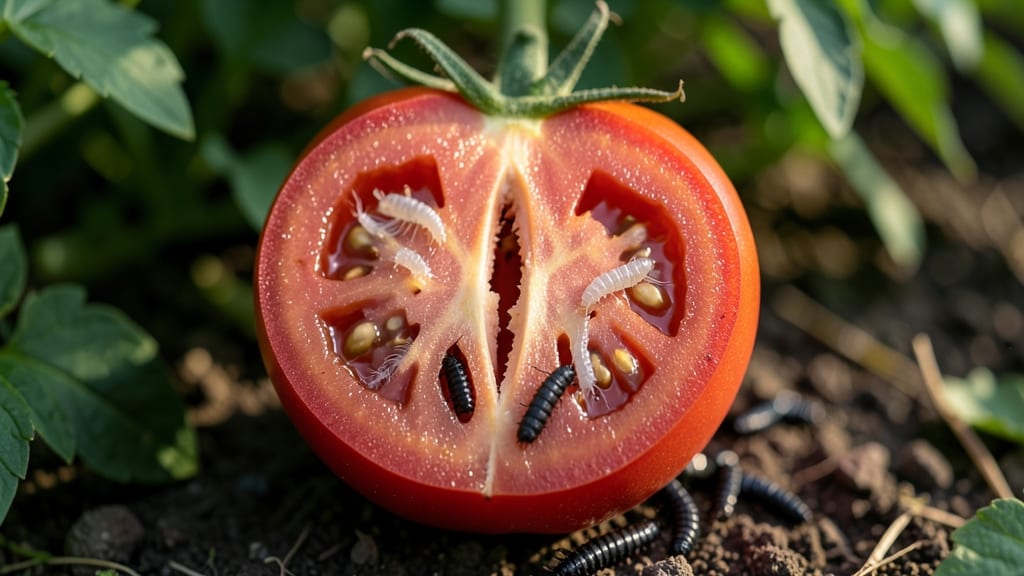
Struggling with pests ruining your tomato harvest? These 10 beneficial insects act as natural pest control, enhancing plant health and increasing yields without chemicals. Discover their unique roles in your garden ecosystem.
Ladybugs for Aphid and Whitefly Control
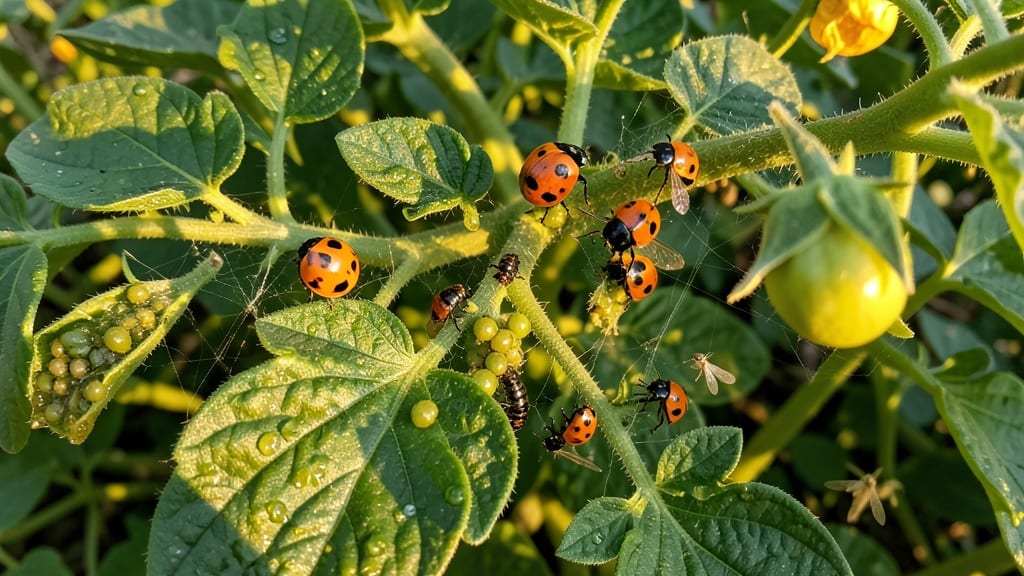
Tired of aphids and whiteflies turning your tomato plants into sticky, infested messes? Ladybugs are nature’s ultimate early-season pest control, devouring hundreds of aphids daily while also pollinating your flowers—no chemicals required.
Adult ladybugs and their larvae feast on soft-bodied pests like aphids and whiteflies, while their pollinating habits boost fruit set. To attract them, plant neighboring flowers like marigolds or dill, which provide nectar and shelter. Release them in the early morning or evening to avoid heat stress, and ensure a water source (like a shallow dish with pebbles) is nearby. These tiny guardians thrive in warm climates but can be ordered online for cooler regions.
Perfect for organic gardeners and beginners, ladybugs offer a low-maintenance, high-reward solution that keeps your tomato plants thriving. 🌟
Parasitic Wasps to Eliminate Tomato Hornworms
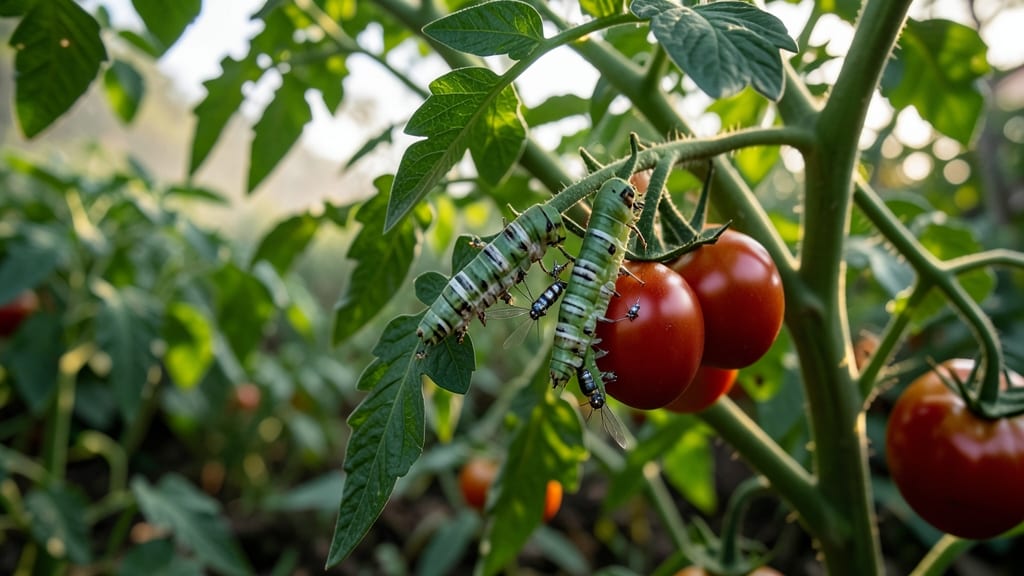
Watch your tomato plants transform from hornworm buffets into thriving ecosystems when you introduce parasitic wasps. These tiny allies don’t just kill pests—they turn tomato hornworms into nutrient-rich hosts for their offspring, creating a self-sustaining cycle that can slash hornworm populations by 90% in just one season.
During their larval stage, these wasps inject eggs directly into hornworms, ensuring the next generation has a built-in food source. You’ll spot their work through small white cocoons clinging to the sides of hornworm larvae—no chemicals, no mess, just natural pest control. To encourage them, plant dill, fennel, or parsley nearby, as these herbs attract their adult counterparts.
Perfect for organic gardeners and those avoiding pesticides, parasitic wasps are especially effective in mid-to-late summer when hornworms are most active. With minimal effort, you’ll see fewer skeletonized leaves and healthier tomato plants. ✨
Ground Beetles for Cutworm Eradication
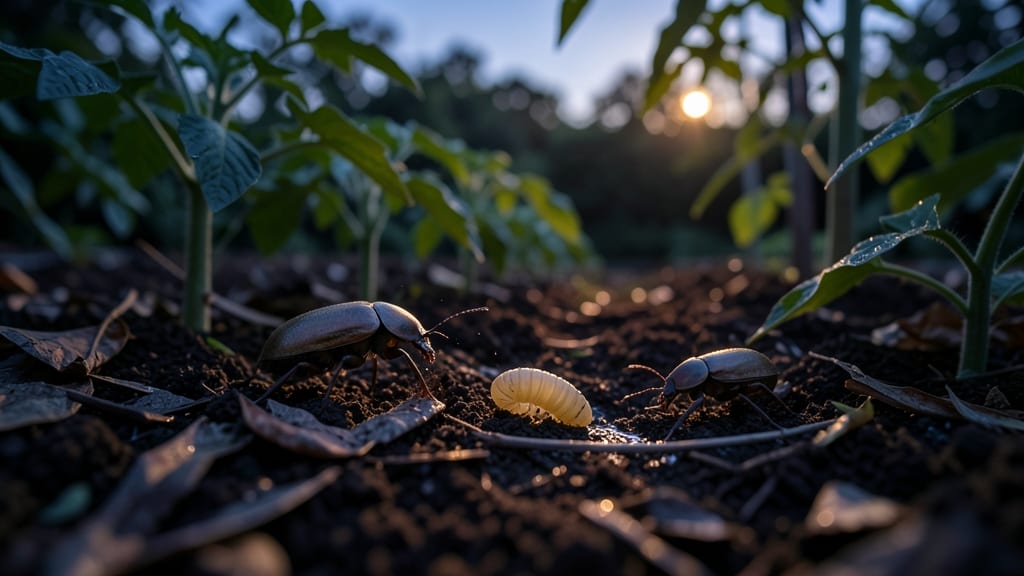
If you’ve ever lost young tomato seedlings overnight to cutworms, ground beetles are your silent, nighttime allies. These nocturnal predators patrol your soil surface, devouring cutworms, slugs, and other soil-dwelling pests while leaving your plants untouched.
Ground beetles thrive in moist, organic-rich soil and prefer gardens with leaf litter or mulch for cover. To attract them, avoid synthetic pesticides and add log piles or flat rocks near planting beds. A single beetle can consume hundreds of cutworms in a season, making them a game-changer for organic growers.
Perfect for gardeners who want low-maintenance pest control, these beetles are especially effective in vegetable beds where cutworms are a recurring problem. 🌱
Hoverflies as Pollinators and Aphid Eaters
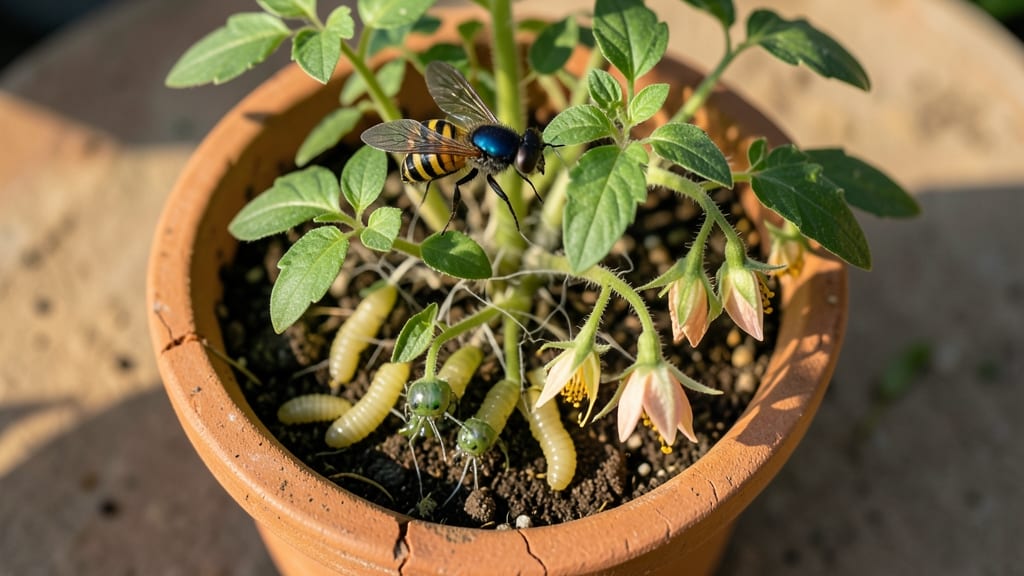
If your tomato plants are struggling in small containers, hoverflies are the dynamic duo you’ve been missing. These tiny, bee-like insects don’t just pollinate—their larvae act as voracious aphid-eaters, giving your plants a two-for-one benefit in tight spaces.
Adult hoverflies are excellent pollinators, visiting tomato blossoms for nectar while transferring pollen between flowers. Meanwhile, their larvae—often overlooked—devour hundreds of aphids per week, reducing the need for chemical interventions. To attract them, add dill, fennel, or marigolds nearby, as these plants provide the nectar and shelter they crave.
Perfect for urban gardeners and container growers, hoverflies thrive in small spaces and don’t require elaborate setups. Their presence means healthier plants and better fruit set—no extra work needed! 🌻
Lacewings for Thrips and Mite Control
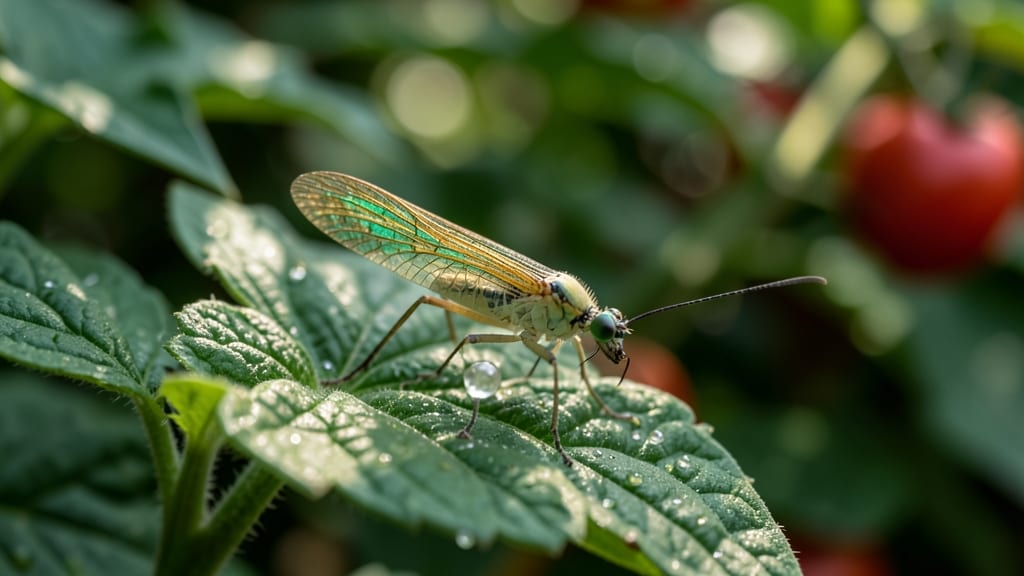
Tiny but mighty, lacewings are the unsung heroes of your tomato garden, silently patrolling leaves to devour thrips and mites at every life stage—from eggs to adults. Their secret weapon? A natural antimicrobial saliva that not only kills pests but also prevents fungal infections like early blight on your precious foliage.
To attract these delicate predators, plant dill, fennel, or sweet alyssum nearby—they love these flowers as adult food sources. Release lacewing eggs or larvae in the evening (they’re sensitive to direct sunlight) near infested areas. A single lacewing can consume hundreds of thrips in its lifetime, making them ideal for greenhouse growers or organic gardeners battling spider mites.
These beneficial insects thrive in warm, humid conditions but avoid cold snaps—perfect for summer tomato gardens. Their gentle presence means stronger plants and fewer chemical interventions. 🌟
Spiders to Manage Spider Mites Naturally
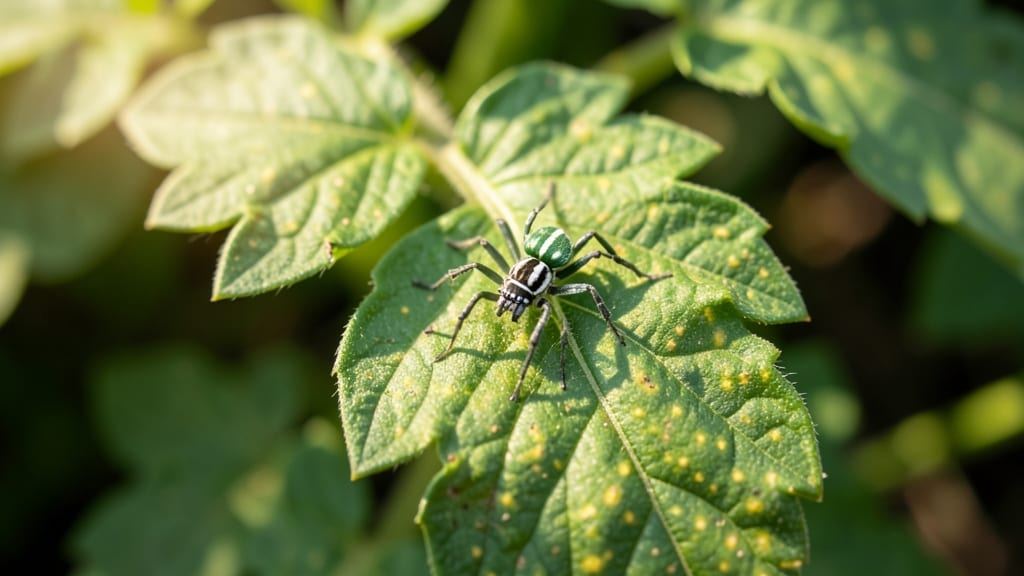
If spider mites are turning your tomato leaves yellow and speckled, you might be surprised to learn that spiders—specifically jumping spiders—are your secret weapon. Unlike their web-spinning cousins, these tiny hunters actively stalk and devour mites without harming your plants, making them perfect allies in greenhouses or high-humidity environments.
Jumping spiders thrive in controlled humidity and don’t spin webs, so they won’t tangle up your tomato vines. They’re most effective in greenhouse settings where spider mite outbreaks are common but natural predators are scarce. To encourage them, leave some leaf litter or low vegetation near your plants—they’ll use it as hunting grounds. Plus, they’re harmless to humans and won’t disrupt your harvest. 🌱
Damsel Bugs for Whitefly and Leafhopper Suppression
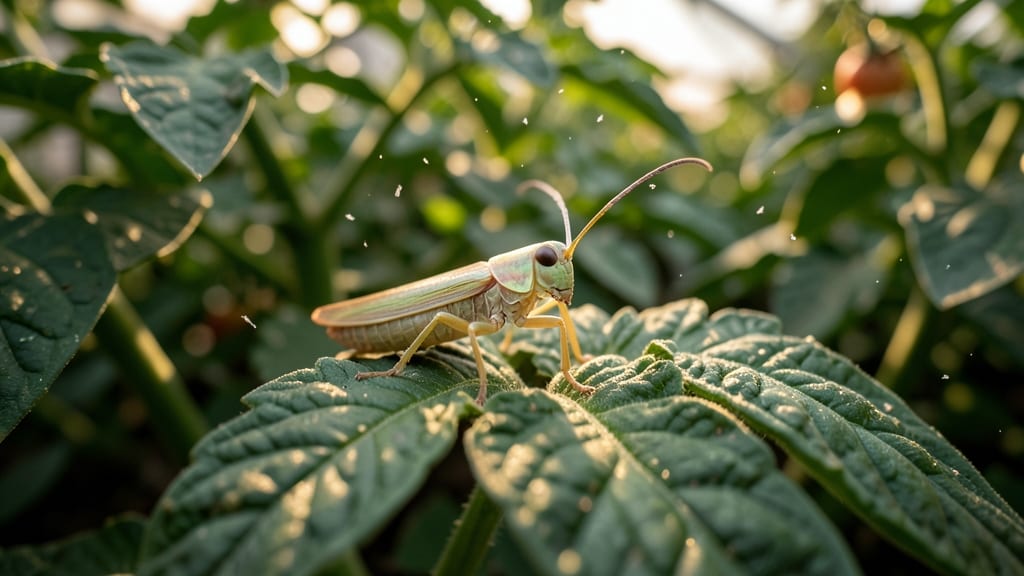
If your tomato plants are under siege by whiteflies or leafhoppers, damsel bugs are your silent, stealthy allies. These ambush predators thrive in warm climates—the same regions where these pests wreak havoc on tomato crops—by piercing and sucking them dry before they can damage your plants.
Damsel bugs are masters of patience, lurking on leaves until prey comes within striking range. A single adult can consume hundreds of whiteflies and leafhoppers in a season, making them ideal for organic tomato gardens where chemical sprays are off the table. To attract them, plant dill, fennel, or marigolds nearby—these flowers provide shelter and nectar while luring their target pests.
Perfect for urban gardeners or those in hot, dry climates, damsel bugs require minimal intervention once established. Their presence means fewer sticky residues from whiteflies and healthier tomato foliage. 🌻
Praying Mantises for General Pest Reduction
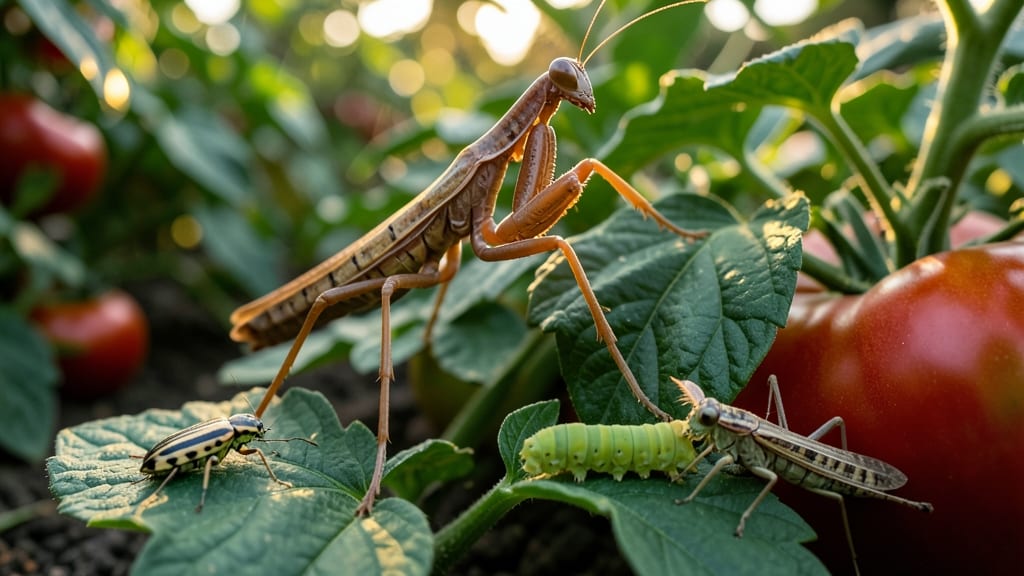
When your tomato plants face a multi-pest assault—think beetles, caterpillars, and even grasshoppers—praying mantises step in as the ultimate generalists. Unlike specialized predators, these insects devour nearly any garden pest that crosses their path, making them a dynamic addition to your organic defense system.
To establish a thriving population, release mantises in late spring or early summer when temperatures are warm and pests are active. Their polyphagous appetite means they’ll tackle everything from tomato hornworms to Japanese beetles, but young mantises need help surviving their first weeks. Supplement their diet with mealworms or crickets until they learn to hunt local pests. Avoid overwatering—they prefer dry conditions for hunting. 🌿
Perfect for gardeners in USDA zones 7-10, mantises thrive in warm climates but can be introduced to cooler regions with seasonal releases. Their dramatic appearance and hunting prowess make them a favorite for both organic growers and kids learning about nature’s pest control. 💪
Nematodes for Soil-Borne Pest Control
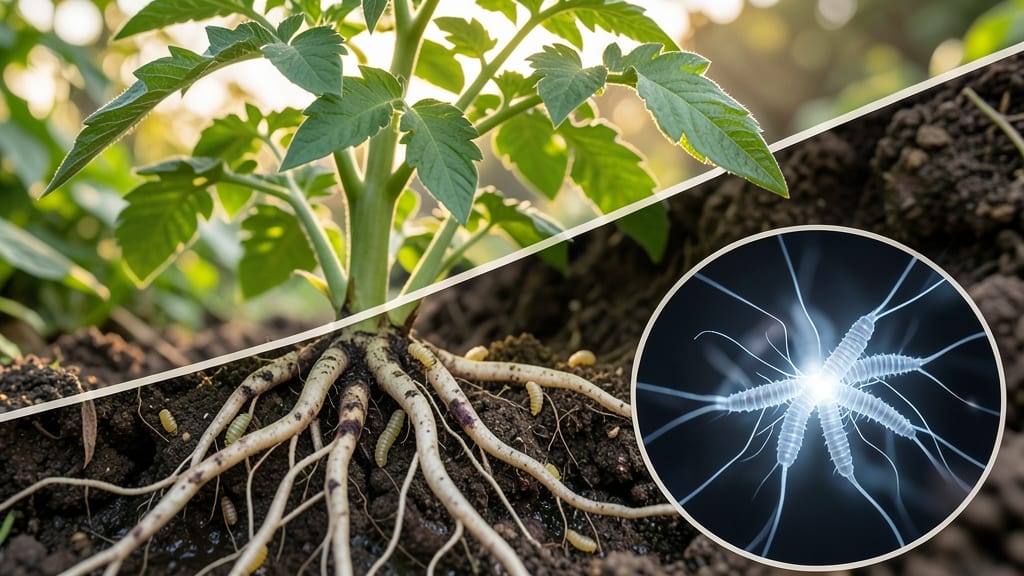
When your tomato plants show signs of root damage or wilting despite healthy foliage, the culprit might be hidden underground—grubs and root-feeding pests. Beneficial nematodes offer a chemical-free solution, acting as microscopic assassins that seek out and destroy these underground threats without harming your plants or the environment.
These tiny worms (specifically Steinernema and Heterorhabditis species) are applied as a liquid or granular treatment to soil. Once watered in, they locate pests like Japanese beetle grubs, cutworms, and root maggots within 24-48 hours, injecting bacteria that kill the pests within days. They’re especially effective in spring and fall when soil temperatures are between 50-85°F, making them ideal for organic gardeners and those with certified organic tomato crops.
Perfect for gardeners who prioritize soil health and avoid synthetic chemicals, nematodes integrate seamlessly into soil amendment programs. They’re safe for humans, pets, and beneficial insects above ground, offering a targeted approach to root-zone pest control that keeps your tomato plants thriving. 💚
Braconid Wasps to Combat Tomato Fruitworms

If your tomato fruits are mysteriously developing small, irregular holes or tunnels, braconid wasps might be your secret weapon. These tiny, stealthy parasites don’t just attack fruitworms—they turn them into nutrient-rich hosts for their larvae, ensuring pests are eliminated from the inside out.
To harness their power, plant dill, fennel, or parsley nearby to attract adult wasps, which will seek out fruitworms to lay their eggs. Once inside, the larvae hatch and feed on the pest, killing it within days. This method is especially effective for organic growers who rely on natural pest control, as it targets hidden damage that other predators miss.
Braconid wasps thrive in warm climates and are most active during late summer when fruitworms are most destructive. For gardeners who prioritize chemical-free solutions, these wasps offer a precise, long-term defense against one of the trickiest tomato pests. 🌱