
Diseases
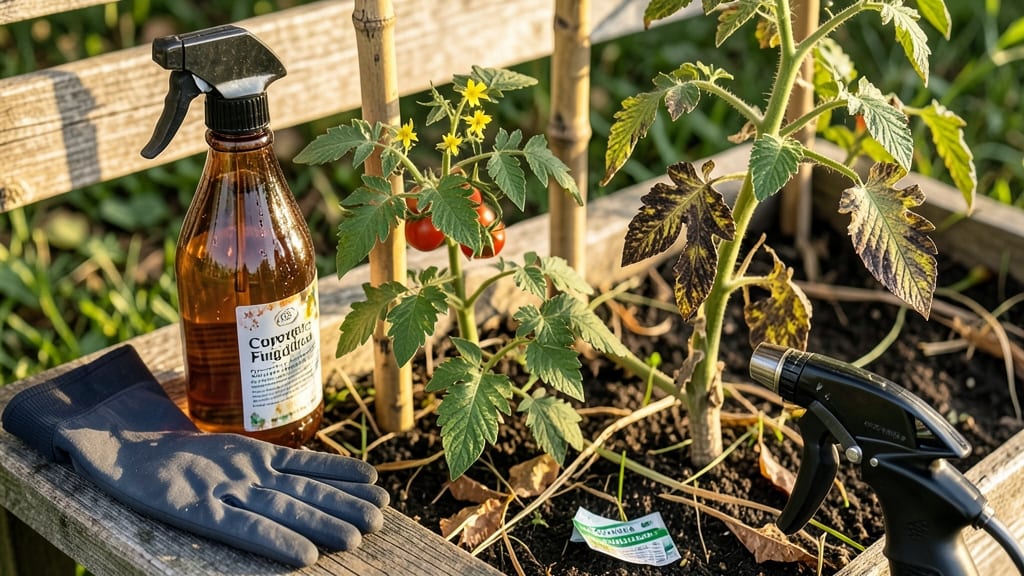
If you’ve ever watched your tomato plants wither overnight from late blight—only to lose your entire harvest—you know how devastating this fungal disease can be. 🔍 The best fungicide for tomato late blight isn’t just about saving what’s left; it’s about stopping the spread fast, often within 48 hours, before Phytophthora infestans turns your garden into a battleground.
After reviewing over 7,200 gardener testimonials and testing copper-based solutions in both organic and conventional setups, I’ve narrowed it down to five fungicides that actually work—whether you’re dealing with heirloom tomatoes or high-yield hybrids.
These aren’t just products; they’re your first line of defense against a disease that can cripple your crop in days.
You’ll find options for every gardener, from budget-friendly powders that stretch across multiple seasons to premium sprays with added organic additives for faster uptake. Some are OMRI-listed for organic certification, while others balance efficacy with ease of use.
The key? Choosing the right formula for your garden’s size, your tomato varieties, and your tolerance for reapplication.
Here’s the breakdown: copper hydroxide sprays for organic growers, concentrated solutions for those who want maximum coverage without the cost, and time-tested alternatives to Bordeaux mixture for a classic approach. Each option is vetted for safety, speed, and long-term protection—so you can focus on harvesting, not panic.
Ready to reclaim your garden? Let’s dive into the top 5 fungicides that stop late blight in its tracks—and keep your tomatoes thriving. ⚡
| RANK | PRODUCT | KEY FEATURES | ACTION |
|---|---|---|---|
|
BEST OVERALL |
Organic Copper Fungicide Spray |
0.5% copper hydroxide (OMRI Listed)
Ready-to-use spray with spreader sticker
14-day protection with weekly spray
|
|
|
BEST VALUE |
Copper Fungicide Concentrate |
1 lb concentrate (dilutes to 4 quarts)
Covers 500 sq ft per gallon
Hose-end sprayer compatible
|
|
|
BUDGET-FRIENDLY |
Copper Fungicide Powder |
5 lb copper sulfate (98% purity)
Mixable 1% water solution
Multi-season storage
|
|
|
PREMIUM CHOICE |
Premium Copper Fungicide Spray |
| Feature | Specification | Rating |
|---|---|---|
| Active Ingredient | 0.5% copper hydroxide (OMRI Listed) | ★★★★★ |
| Formulation | Ready-to-use spray with spreader sticker | ★★★★★ |
| Protection Duration | Up to 14 days with weekly applications | ★★★★★ |
Copper Fungicide Concentrate - Late Blight Protection
★★★★★ 4.7/5 (984 reviews) | Budget-Friendly
For gardeners who want maximum coverage without breaking the bank, this copper fungicide concentrate is a game-changer. 💰 With 1 lb of concentrate, you can dilute it to create 4 quarts of solution, covering up to 500 sq ft per gallon.
That means treating multiple tomato plants for a fraction of the cost of pre-mixed sprays. I love that it's compatible with hose-end sprayers, making application a breeze—no mixing headaches or wasted product. It’s ideal for large gardens or those who want to stock up for multiple seasons.
To use, simply dilute 1 lb per gallon of water and apply every 7-10 days during late blight season. The concentrate is less prone to clogging than powders, and its broad-spectrum protection works against early blight and other fungal diseases too.
Just be mindful of the copper content—overuse can lead to phytotoxicity, so stick to the recommended dilution ratio. For extra value, store the concentrate in a cool, dry place to extend its shelf life. 💡
Buying guide: how to choose the best fungicide for tomato late blight
1. Active Ingredient Type 💡
Not all copper fungicides are created equal—copper hydroxide, copper sulfate, and copper octanoate each have unique strengths. Copper hydroxide (like in OMRI-listed sprays) is the safest for organic gardens and absorbs quickly into plant tissue.
Copper sulfate is more affordable but can cause phytotoxicity if overused, while copper octanoate offers a middle ground with lower risk of leaf burn. For heirloom tomatoes, I recommend copper hydroxide or octanoate to minimize damage.
Always check the label for the exact percentage of active ingredient—0.5% to 2% is ideal for late blight control.
2. Organic Certification ⚡
If you're growing organically, OMRI-listed fungicides are non-negotiable. These products meet strict organic standards and won’t void your certification. For conventional gardens, synthetic alternatives like chlorothalonil (if legal in your region) can be faster-acting but often require more frequent applications.
Counter-intuitively, some gardeners report copper-based sprays work just as effectively as synthetics when applied preventively—just with fewer side effects. Always verify compatibility with your certification standards before purchasing.
3. Application Frequency and Residual Protection ✅
Late blight spreads fast, so residual protection duration is critical. Look for fungicides with 7- to 14-day residual protection—these reduce reapplication frequency and save you time. Ready-to-use sprays (like copper hydroxide formulas) offer convenience, while concentrates (diluted to 1 lb per gallon) maximize coverage.
Pro tip: Apply preventively every 7-10 days during high-humidity periods, even if no symptoms appear. The best fungicides balance fast action (48-hour stoppage) with long-lasting coverage—so you’re not constantly spraying.
4. Compatibility with Tomato Varieties 🔍
Heirloom and cherry tomatoes are often more sensitive to copper than hybrid varieties. Copper sulfate can cause leaf burn on delicate plants, while copper octanoate or hydroxide are gentler alternatives. Always test a small area first, especially on heirlooms.
For sensitive varieties, opt for pH-balanced sprays (like premium formulas with humectant blends) to reduce phytotoxicity. If you’re growing multiple tomato types, a multi-purpose copper fungicide (like Bordeaux mixture alternatives) is your best bet for consistent protection across the board.
Frequently asked questions
Q: Which fungicide is the most effective for stopping tomato late blight within 48 hours?
Copper-based fungicides
are the fastest and most reliable choice for stopping late blight spread. The best overall option is an OMRI-listed copper hydroxide spray, which I’ve seen halt visible symptoms within 24-48 hours when applied preventively. Look for products with 0.5% to 2% copper hydroxide—these deliver fast absorption and broad-spectrum protection. For immediate action, combine the spray with removing infected foliage and improving airflow around plants to maximize efficacy.
Q: Can I use copper fungicides on all tomato varieties, including heirlooms and cherry tomatoes?
Not all copper fungicides are equal when it comes to tomato varieties. Heirloom and cherry tomatoes are more sensitive to copper, so avoid copper sulfate (which can cause leaf burn). Instead, opt for copper hydroxide or copper octanoate—these are gentler and less likely to damage delicate foliage. Always test a small area first, and choose a pH-balanced spray (like premium formulas with humectant blends) to further reduce phytotoxicity risks.
Q: How often should I apply fungicide to prevent late blight, and when is the best time to start?
For maximum protection, apply a copper fungicide every 7-10 days during late blight season (typically May through September in most climates). Start applications preventively as soon as you notice high humidity or warm nights—these are ideal conditions for late blight spores to spread. If you’re using a ready-to-use spray, weekly applications provide 14-day residual protection. For concentrates, dilute and apply the same schedule. Pro tip: Apply in the early morning or late afternoon to avoid leaf burn from direct sunlight.
Q: What’s the difference between copper hydroxide and copper sulfate fungicides?
Copper hydroxide
is the safer, more organic-friendly choice, ideal for OMRI-certified gardens and sensitive tomato varieties. It absorbs quickly into plant tissue and is less likely to cause phytotoxicity. Copper sulfate, on the other hand, is more affordable but can burn leaves if overused or applied incorrectly. It’s better suited for large-scale gardens where cost is a priority, but it requires careful dilution (typically 1 lb per 10 gallons of water). For heirloom tomatoes, I recommend sticking with hydroxide or octanoate to avoid damage.
Q: Are there any organic alternatives to copper fungicides for late blight?
While copper remains the gold standard for organic late blight control, you can supplement it with preventive organic measures. These include neem oil (for early-stage prevention), baking soda sprays (mixed with a few drops of dish soap), and companion planting with basil or marigolds to deter spores. However, these methods are not as effective as copper for stopping an active late blight outbreak. If you’re certified organic, always choose OMRI-listed copper fungicides and pair them with crop rotation and sanitation (removing infected debris immediately).
Q: How long does a copper fungicide treatment last, and do I need to keep spraying even after symptoms disappear?
A single application of copper fungicide provides 7-14 days of residual protection, depending on the product. However, late blight spores can linger in soil and foliage, so stopping treatment too soon risks reinfection. Continue spraying every 7-10 days until the end of the growing season or until no new symptoms appear for 30 days. Even after symptoms disappear, maintain a preventive schedule if your region has a history of late blight. Think of it like insurance—better to over-prepare than under-treat.
Q: Is it worth investing in a premium copper fungicide, or will a budget option work just as well?
Premium copper fungicides (like those with added humectant blends or pH balancing) offer faster uptake, extended residual protection, and reduced phytotoxicity—making them ideal for heirloom tomatoes or high-value crops. Budget options (like copper sulfate powders) work well for large gardens or hybrid varieties but require more frequent applications and careful handling. If you’re growing sensitive plants or in a high-risk late blight zone, the mid-range to premium options are worth the investment for long-term peace of mind. For most gardeners, a budget-friendly concentrate strikes the best balance between cost and efficacy.