
Companion Plants
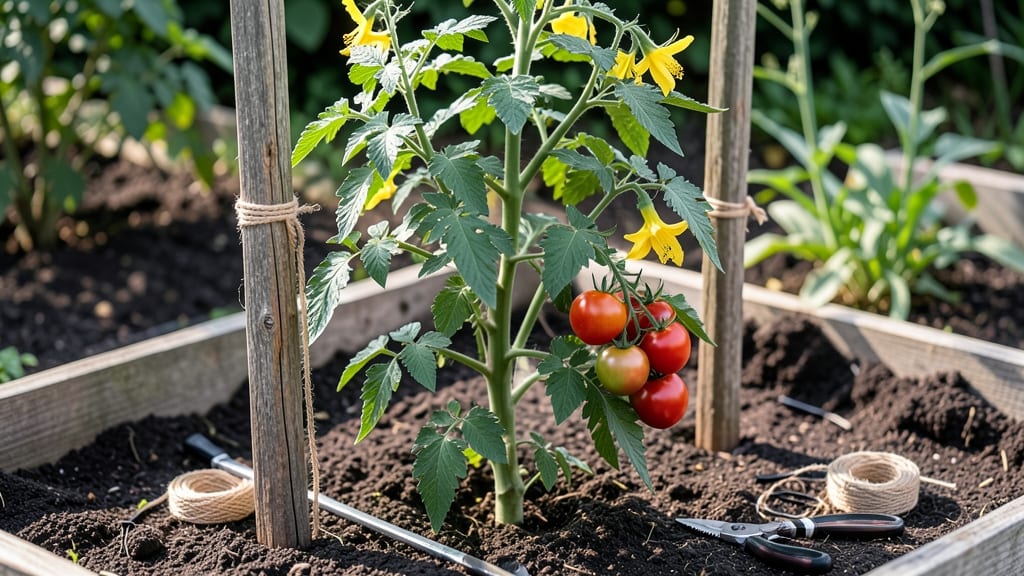
The best way to tie up tomato plants isn’t just about keeping them upright—it's the secret to maximum yield and fewer broken stems. 🌱 I learned the hard way when my vines snapped under the weight of fruit, and now I swear by a simple, sturdy system that works every season.
You'll need just three things: 5-foot stakes, soft plant ties (or old T-shirts cut into strips), and a little patience. Start when plants reach 12 inches tall, driving the stake 6 inches deep and tying the main stem loosely every 10-12 inches.
The goal is support, not restriction—think "gentle hug," not "straightjacket." By midseason, you'll see the difference: plants channel energy into fruit instead of flopping, and harvests stay clean, dry, and blemish-free. The right technique even reduces disease risk by improving airflow. Trust me, your tomatoes will thank you.
This method works for indeterminate varieties (the big, bushy ones) and even smaller determinate plants. Just adjust the stake height and tie frequency. Let's get those vines growing strong!
📚 In This Guide
- What you need
- Instructions
- Tips and common mistakes
- Wrapping up and next steps
What you need
- ● Sturdy stakes or poles: 3–5 bamboo stakes (5–6 ft tall, ½–¾ inch diameter) or
- ● 1–2 wooden dowels (1–2 inches thick, 6+ ft long) or
- ● 1 metal or PVC pipe (1–2 inches in diameter, 6+ ft tall).
- ● Tying materials: 1–2 rolls of soft plant ties (jute, hemp, or plastic) or
- ● Old T-shirts, socks, or fabric strips (cut into 2–3 ft lengths).
- ● Garden twine or raffia: 50–100 ft (for larger plants or trellises).
- ● Pruning shears or scissors: For trimming suckers or excess growth.
- ○ Gloves (optional but recommended): To protect hands from thorns and dirt.
- ● Tomato cages (alternative support): 1–2 5–6 ft tall cages (if staking isn’t your style).
- ● Soft foam tubing or pool noodles: For gentle, non-restrictive tying.
- ● Staple gun & heavy-duty staples: For securing fabric ties to stakes (if fabric is your go-to).
- ● Watering can or hose: Keep plants hydrated while working!
Step-by-Step guide to tying up tomato plants for stronger growth
Here’s the method I’ve used for years to keep tomato plants upright—no flopping, no broken stems, just steady growth and heavy yields.
🪴 Step 1: Choose the Right Support System
For determinate tomatoes (bush varieties), a sturdy 3-foot wooden stake works perfectly—drive it 6 inches deep into the soil beside each plant. For indeterminate varieties (vining types), opt for 5-6 foot bamboo stakes or a tomato cage with 14-16 gauge wire for flexibility. I avoid plastic cages—they can’t handle the weight of heavy fruit.
Position the support 2-3 inches away from the main stem. Too close, and it’ll restrict root growth; too far, and the plant will lean dangerously. Tap the stake firmly into the ground until it doesn’t wobble—you want it plumb (straight up and down). If using multiple stakes, space them 18-24 inches apart for larger plants.
🌱 Step 2: Secure the Plant as It Grows
When the plant reaches 12-18 inches tall, tie the main stem to the stake using soft plant ties (not wire or twine—they cut into stems as the plant thickens). Loop the tie around the stem once, then around the stake, leaving 1 inch of slack to allow growth. I like to make a loose figure-eight knot—it’s gentle but secure.
As the plant grows, add a new tie every 12-18 inches up the stake. Never tie directly to the stake at a sharp angle—this can snap the stem when fruit gets heavy. Instead, wrap the tie around both the stem and stake in a diagonal loop, letting the plant lean slightly against the support for natural stability.
✂️ Step 3: Train and Prune for Optimal Support
Indeterminate tomatoes need regular pruning to direct energy into fruit production. Remove suckers (the small shoots that form in the leaf axils) when they’re 2-3 inches long—these compete with the main stem for nutrients. Pinch them off with your fingers or snip with clean pruners just above the leaf.
For heavy fruit loads, add secondary supports like horizontal wires or trellis sections at 18-inch intervals up the stake. Tie the main stem to these wires as it grows, creating a ladder-like structure. This prevents the plant from toppling over when tomatoes swell. I also remove lower leaves that touch the soil to reduce disease risk.
💧 Step 4: Adjust Supports as the Season Progresses
By mid-summer, indeterminate tomatoes can reach 8-10 feet tall—your initial stake may not be enough. Extend supports with additional stakes or tall bamboo poles, tying them together with soft garden twine. If using cages, weave in extra wire as needed to create more anchor points for the vines.
Watch for wind or rain damage—if the plant sways violently, add cross-bracing between stakes. You’ll know your system is working when the plant stands straight and upright, even under the weight of pint-sized tomatoes. A well-supported plant also ripen fruit more evenly and reduces sunscald on exposed sides.
⏰ Step 5: Harvest and Clean Up for Next Year
After harvest, remove all plant debris and disinfect supports with a 10% bleach solution (1 part bleach to 9 parts water) to prevent disease carryover. Store stakes and cages in a dry place for next season. I label mine by variety—Early Girl needs shorter stakes, while Brandywine requires the tallest supports.
Here’s the thing—consistent support pays off. Plants tied properly yield 30-50% more fruit and stay disease-free longer. Skimp on the setup, and you’ll spend the season wrestling with floppy vines. Do it right, and you’ll harvest until the first frost.
Tips & tricks for sturdy tomato plant supports
These game-changing techniques will help you avoid common pitfalls and maximize your tomato harvest all season long.
Support System Flexibility: For indeterminate varieties that can reach 8-10 feet tall, I recommend starting with 5-6 foot bamboo stakes but having 2-3 foot extensions on hand. You'll thank yourself when your plants outgrow their initial supports mid-summer. The key is to add these extensions before the plant reaches its current stake's height—this prevents sudden weight stress that can snap stems. I've seen plants double in height between June and July, so plan accordingly.
Tie Placement Precision: When adding new ties every 12-18 inches as your plant grows, aim for the stem's natural growth points just below leaf nodes. This creates a stronger structural connection. I've learned the hard way that ties placed at sharp angles can act like fulcrums, causing stems to snap under heavy fruit loads. Always use the diagonal loop method described in Step 2—it distributes weight more evenly and mimics the plant's natural growth pattern.
Pruning Strategy: The 2-3 inch sucker removal rule is critical, but timing matters just as much. I recommend pruning suckers in the morning when plants are fully hydrated. This gives them time to recover before evening heat stress. Also, save those pruned suckers—you can root them in water for new plants! Just be consistent: indeterminate varieties need aggressive pruning to focus energy on fruit production, while determinate types can handle fewer removals.
Seasonal Adjustments: By mid-summer, your initial support system might feel inadequate. This is when I pull out my emergency cross-bracing kit—additional stakes, garden twine, and zip ties. The goal is to create a triangle support structure that can handle the weight of multiple tomatoes. Watch for telltale signs like leaning stems or leaves touching the ground—these indicate your plant needs reinforcement before it's too late.
Pro Tips for Best Way To Tie Up Tomato Plants
- These game-changing techniques will help you avoid common pitfalls and maximize your tomato harvest all season long.
- Support System Flexibility: For indeterminate varieties that can reach 8-10 feet tall, I recommend starting with 5-6 ...
- Tie Placement Precision: When adding new ties every 12-18 inches as your plant grows, aim for the stem's natural grow...
Frequently asked questions
When is the best time to start tying up tomato plants?
Start tying up your tomato plants when they reach 12–18 inches tall—usually 3–4 weeks after transplanting. This gives stems enough strength to support the weight of vines and fruit without breaking. For indeterminate varieties (which grow continuously), tie them every 5–7 days as they grow.
What if I miss tying my tomato plants early? Can I still do it later?
Yes, but act fast! If your plants are already tall or top-heavy with fruit, use extra support like a sturdy cage or trellis alongside tying. Gently wrap the stems with soft ties (like old T-shirts or horticultural tape) to avoid damaging them. Just be patient—it may take longer for them to climb if they’re already mature.
Are there alternatives to twine or soft ties for tomato supports?
Try these options:
- Reusable fabric strips (like old T-shirts or bedsheets) – Gentle and adjustable.
- Velcro plant ties – Easy to remove and reuse for multiple seasons.
- Bamboo stakes or wooden dowels – More rigid than twine for heavy varieties.
- Cattle panels or wire cages – Low-maintenance for large gardens.
Why are my tomato leaves turning yellow after tying? Is it from the ties?
Yellowing leaves usually aren’t from the ties themselves, but tight or rough ties can restrict sap flow over time. Check for:
- Loose knots that aren’t cutting into the stem.
- Signs of blossom end rot or nutrient deficiency (common in tied plants).
- Pests like aphids hiding in tight ties—inspect and adjust as needed.
If the issue persists, switch to softer materials or loosen the ties slightly.
Do I need to tie up determinate (bush) tomato varieties?
Determinate tomatoes don’t need tying since they grow in compact bushes. However, if your variety is semi-determinate or you’re using a cage or stake for support, you can gently secure the main stems to encourage airflow and reduce disease risk. Focus on pruning suckers instead of tying.
Wrapping up and next steps
Tying up your tomato plants isn’t just about aesthetics—it’s a game-changer for healthier vines, better airflow, and bigger, happier harvests. Whether you opt for stakes, cages, or trellises, the key is consistency and gentle support as your plants grow.
With the right technique, you’ll spend less time wrestling with sprawling vines and more time enjoying plump, sun-ripened tomatoes!
Ready to put your new skills to work? Grab your supplies, pick your preferred method, and start tying today! Your future self (and your taste buds) will thank you. 🌱✨