
How To
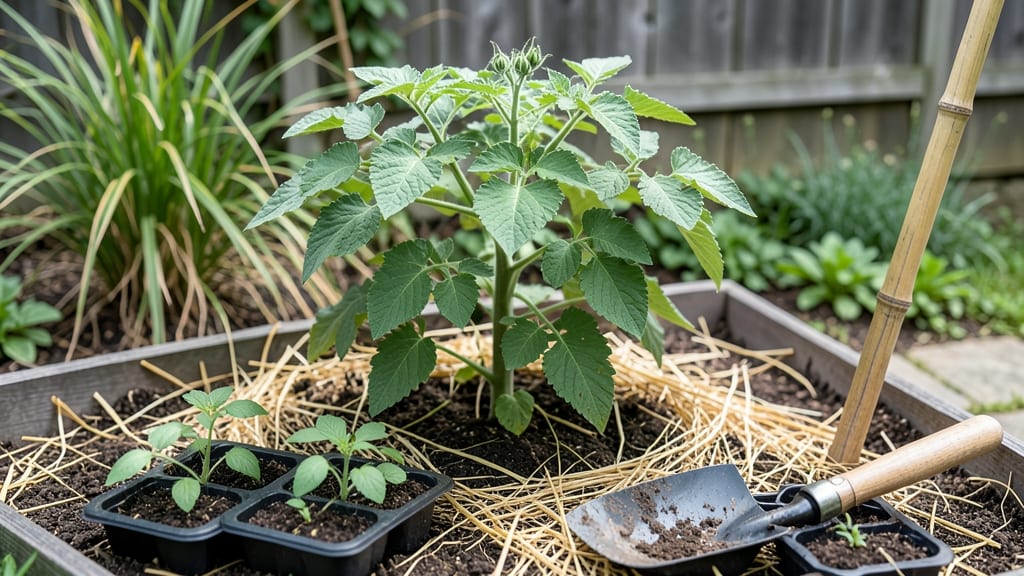
Sowing tomatoes at the right time ensures a thriving 🍅 harvest—whether you're starting seeds indoors or planting directly in the garden.
Timing your tomato sowing perfectly can mean the difference between a bountiful harvest and wasted effort—especially when local climates vary wildly from coast to coast.
In USDA Zone 6a, like many midwestern regions, the ideal window is April to May, after the last frost date. But if you live in a warmer climate or cooler coastal area, your schedule shifts dramatically.
Below, I’ll break down the best sowing times by region, how to adjust for indoor starts, and pro tips to extend your growing season—so you’re never left with empty vines.
Optimal tomato sowing time by US planting Zones (with frost date guide)
Getting your tomato sowing time right depends entirely on your USDA hardiness zone and local last frost date. Tomatoes are heat-loving plants that need warm soil and air to thrive, so planting too early can stunt growth or even kill seedlings.
Meanwhile, waiting too long risks a shorter harvest season. Let’s break down the perfect sowing windows for each zone—plus how to adjust for your specific microclimate.
Most gardeners start tomatoes either indoors 6-8 weeks before last frost or directly outdoors after soil warms to 60°F (15°C). The key is balancing these timelines with your zone’s frost dates.
For example, Zone 3 growers have just 90 frost-free days, while Zone 10 enjoys 365+ days of warmth. Below, I’ve mapped out the ideal sowing periods for each zone, including adjustments for early vs. late varieties.
Pro Tip: Use a frost date calculator (like the Old Farmer’s Almanac) to pinpoint your exact last frost date. Then, work backward from there—adding 6-8 weeks for indoor starts or waiting for soil warmth for direct sowing.
For Zones 3-5, where frost lingers late, I recommend starting seeds indoors under grow lights 8 weeks before your last frost date. Use biodegradable pots to avoid transplant shock when moving seedlings outdoors.
In Zones 6-7, you can start seeds indoors 6 weeks before frost or direct sow after soil warms to 60°F (15°C)—test with a soil thermometer for accuracy.
Gardeners in Zones 8-10 have the luxury of year-round growing, but timing still matters. In Zone 8, sow seeds every 2-3 weeks from February through October for continuous harvests. For Zones 9-10, stagger plantings to avoid fruit set failures during extreme
Indoor vs outdoor tomato sowing: when to start seeds for transplanting
Deciding whether to start your tomato seeds indoors or sow them directly outdoors depends on your local climate and last frost date. Indoor starts give you a head start, especially in cooler regions, while direct sowing works well in warm climates where frost isn't a threat.
Let's break down the key factors to help you choose the best approach for your garden.
For most gardeners, the 6-8 week rule is your best guide: start seeds indoors about 6-8 weeks before your last frost date. This timing ensures your seedlings are strong enough to handle transplanting once temperatures rise.
However, if you live in a warm climate zone (like USDA zones 9-10), you might skip indoor starts entirely and sow directly outdoors after the soil warms to 60°F (15°C).
-
Step 1: Determine your last frost date
Check your USDA zone and local weather averages. Use resources like the Old Farmer's Almanac or your local cooperative extension for precise dates. -
Step 2: Calculate indoor start time
Subtract 6-8 weeks from your last frost date. For example, if frost ends April 15, start seeds by February 15-March 1 for optimal transplanting. -
Step 3: Provide warmth and light
Use a heat mat (70-80°F) for germination and grow lights (12-16 hours/day) to prevent leggy seedlings. South-facing windows won't provide enough light. -
Step 4: Harden off seedlings
Acclimate seedlings to outdoor conditions 7-10 days before transplanting by gradually increasing exposure to wind, sun, and temperature fluctuations. -
Step 5: Direct outdoor sowing
Only viable in warm climates or for heat-loving varieties. Sow seeds 1/4 inch deep when soil temps reach 60°F (15°C) and night temps stay above 50°F (10°C).
If you're starting seeds indoors, warmth is critical during germination. Use a seedling heat mat to maintain soil temperatures between 70-80°F (21-27°C). Once sprouted, seedlings need 12-16 hours of light daily—grow lights are ideal, but a sunny windowsill can work in a pinch if supplemented with artificial light.
For direct outdoor sowing, wait until the soil is consistently warm and frost is no longer a threat. In cool climates, this might mean waiting until late May or June, while tropical regions can start as early as February or March.
Always check seed packet instructions for variety-specific recommendations.
Remember, transplant shock is a real risk for seedlings. To minimize stress, harden off your plants by gradually introducing them to outdoor conditions over 7-10 days before the final transplant. Start with 2-3 hours of shade and slowly increase exposure to full sun and wind.
Whether you choose indoor starts or direct sowing, timing is everything. By following these steps, you'll give your tomatoes the best possible start for a productive and healthy harvest. 🌱💧☀️