
Pests
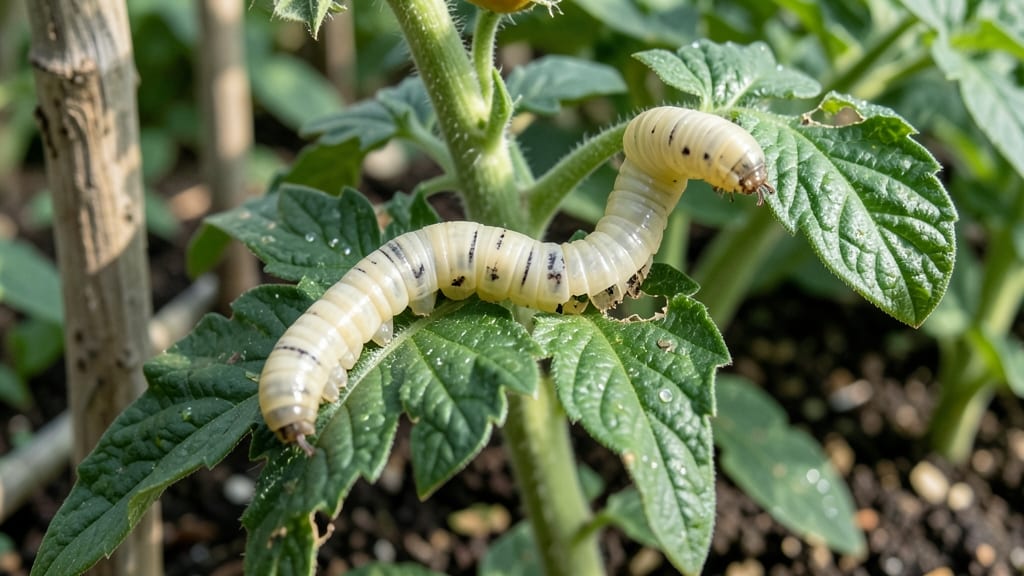
Worms eating your tomato plants mean chewed stems, missing leaves, and a harvest that won’t happen. 🌱 I’ve seen cutworms slice plants at soil level overnight—and the damage is devastating. The good news? You can stop the destruction without chemicals, starting tonight.
Most culprits are cutworms (gray-green caterpillars hiding under leaves), hornworms (giant green striped munchers), or slugs (silver trails on plants at dawn). Look for jagged holes, wilting vines, or plants that topple like they’ve been cut.
The faster you act, the more tomatoes you’ll save—some remedies work in hours, others take days.
My go-to fixes? Handpick worms after dark (they’re slow and easy to grab), wrap stems with cardboard collars to block cutworms, or sprinkle diatomaceous earth around plants (safe, non-toxic, and stops slugs dead).
For hornworms, release praying mantis eggs—they’re natural predators. Within a week, you’ll see new growth and fewer holes.
Prevention is key: mulch heavily, water at soil level (not overhead), and plant basil or marigolds nearby—their scents repel pests. If worms return, neem oil (spray at dusk) works as a last-resort barrier. Your plants will bounce back—just act fast before the worms win.
The Hidden Culprits Behind Plant Loss
Tomato plants are a magnet for hungry pests, and worms are among the sneakiest invaders. But why do these critters suddenly turn your thriving garden into an all-you-can-eat buffet? The answer lies in a mix of environmental factors, plant vulnerabilities, and the worms’ own survival instincts.
Let’s break down the key reasons your tomato plants are becoming a worm smorgasbord—and what’s really driving their appetite.
Worms thrive in soil that’s too damp, nutrient-dense, or poorly drained. When tomato plants are planted in heavy, waterlogged, or compost-heavy soil, they create the perfect conditions for earthworms, cutworms, and grubs to multiply. Here’s why:
- Excess organic matter: Too much compost or rotting debris (like old leaves or grass clippings) attracts worms, as they feast on decomposing material. Problem: They’ll happily munch on young tomato roots or stems instead.
- Poor drainage: Waterlogged soil suffocates plant roots but doesn’t deter worms. In fact, it makes soil softer and easier to burrow through, giving them direct access to tender tomato stems.
- Lack of aeration: Compacted soil (common in clay-heavy gardens) forces worms to surface at night, where they’ll gnaw on foliage or young seedlings.
💡 Pro Tip: Test your soil’s moisture by squeezing a handful—if it stays clumped, it’s too wet. Amend with sand or perlite to improve drainage before planting.
Newly sprouted tomato plants are worms’ favorite snack because their stems are soft and full of water—like a juicy steak to a predator. Here’s what makes them vulnerable:
- Thin stems: Seedlings and young transplants have minimal structural support, making them easy for cutworms or wireworms to sever at the base.
- High moisture content: Young plants retain more water, which worms detect through chemical cues in the soil.
- Lack of protective bark: Mature tomato plants develop thicker stems, but seedlings offer zero resistance to chewing pests.
🔥 Action Step: Use collars made from cardboard or foil around young plants to create a physical barrier. Worms avoid crawling over rough surfaces!
Many garden pests, including cutworms and tomato hornworms, are nocturnal. They wait until darkness to attack because:
- Cooler temperatures: Worms are less active in heat but thrive in the 60–75°F range that often occurs at night.
- Reduced predator activity: Birds and beneficial insects (like ground beetles) are less active after dusk, giving worms free rein.
- Higher humidity: Moist air helps worms move quickly and stay hydrated while hunting.
🌡️ Science Note: Worms use pheromones to locate stressed plants—tomatoes under water stress or disease emit chemical signals that worms can smell from inches away.
Leaving garden waste, old mulch, or plant debris near tomato plants is like hanging out a “Dine Here” sign for worms. Here’s how it backfires:
- Hidden breeding grounds: Decaying leaves or grass clippings create microclimates where worms lay eggs and hatch larvae.
- Moisture traps: Mulch that’s too thick (especially organic matter) holds excess water, making soil ideal for worm activity.
- Attracts other pests: Slugs and snails also love damp mulch, and they’ll compete with worms for your tomato plants.
✨ Solution: Keep mulch 2–3 inches away from tomato stems and use straw or shredded leaves (which dry out faster than grass clippings).
Stressed tomato plants emit distress signals that worms can detect. Common stressors include:
- Underwatering or overwatering: Both create root damage, releasing sugars and amino acids into the soil that worms find irresistible.
- Nutrient deficiencies: Plants low in nitrogen or potassium produce weaker stems and emit volatile organic compounds (VOCs) that attract pests.
- Disease or pest damage: Even a single aphid infestation can trigger a cascade effect, making plants more appealing to worms.
🎯 Prevention Tip: Use balanced fertilizer (10-10-10) and mulch with compost tea to reduce stress signals. Healthy plants = less worm interest!
Natural Fixes for Worm Damage
If worms are turning your tomato plants into a buffet, don’t panic—there are plenty of natural, effective ways to reclaim your garden. Below are targeted solutions for the most common culprits, from cutworms to rootworms, along with prevention tips to keep your plants thriving.
These methods are easy to implement, chemical-free, and eco-friendly!
Cutworms are the sneaky pests that chew through stems at night, toppling young plants like dominoes. Here’s how to outsmart them:
#### 🍳 Handpick & Destroy (Best for Small Gardens) - When to do it: Early morning or evening when worms are sluggish. - How to do it: Gently roll up the soil around the base of affected plants with a stick or your hands. Worms will surface—drop them into soapy water to kill them instantly. - Pro tip: 💡 Do this for 3–4 days in a row to break their cycle. #### 👨🍳 DIY Collar Barriers (Preventative) - Materials: Cardboard tubes, aluminum foil, or plastic collars (4–6 inches tall). - How to install: Cut tubes/collars and insert them around young seedlings, burying 1–2 inches into the soil. Worms can’t crawl over them! - Bonus: Remove collars once plants are 6+ inches tall. #### 🥘 Beer Traps (Non-Toxic Lure) - How it works: Worms are attracted to the smell of beer. Bury a small cup filled with beer near plants—worms will drown in it. - Best for: Large garden beds where handpicking isn’t practical.These green monsters can devour a tomato plant in days if left unchecked. Act fast with these tricks:
#### 🔪 Introduce Beneficial Predators (Eco-Friendly Control) - Who to recruit: Parasitic wasps (like Cotesia congregata) lay eggs in hornworms, killing them naturally. - How to attract: Plant dill, fennel, or parsley nearby—their flowers lure wasps. - Alternative: Release ladybugs or lacewings (available at garden centers). #### 🎯 Manual Removal (Quick & Effective) - When to pick: Early morning when hornworms are slow. - How to do it: Wear gloves, pluck them off, and drop them into soapy water. Check plants daily—these guys grow fast! - Pro tip: 🌡️ If temps are above 85°F, wasps are less active, so manual removal is key. #### 🌿 Companion Planting (Long-Term Defense) - Plant these near tomatoes: Basil, marigolds, or borage. Their scents repel hornworms and attract predatory insects.If your tomato plants wilt suddenly or leaves yellow despite good watering, rootworms or grubs may be gnawing on roots. Try these fixes:
#### 🔥 Beneficial Nematodes (Microscopic Allies) - What they do: Steinernema carpocapsae nematodes seek out and kill grubs/rootworms without harming plants. - How to apply: 1. Water the soil thoroughly the night before. 2. Mix nematodes with water (as per package) and apply to moist soil in the evening. 3. Reapply every 4–6 weeks if needed. - Best for: Heavy infestations in vegetable beds. #### 🌡️ Solarization (Heat Treatment for Soil) - How it works: Trap sunlight in clear plastic sheets to bake out pests. - Steps: 1. Water the soil deeply. 2. Lay clear plastic sheeting over the bed (secure edges with soil/rocks). 3. Leave for 4–6 weeks in hot sun (temps should reach 120°F+). - Pro tip: ✨ Do this in early summer for best results—kills eggs and larvae too! #### 🥗 Crop Rotation & Healthy Soil (Prevention) - Why it works: Rootworms target specific plants (like tomatoes, peppers, or eggplants). Rotating crops breaks their life cycle. - How to do it: - Avoid planting nightshades (tomatoes, potatoes, peppers) in the same spot for 3+ years. - Amend soil with compost to boost plant health—stronger roots resist pests better.Stop worms before they start with these garden-wide strategies:
- 🌙 Mulch Smartly: Use straw or grass clippings (not wood chips, which attract cutworms). Mulch keeps soil moist and deters some pests. - 🌱 Plant Traps: Sow a border of nasturtiums or radishes—worms prefer these over tomatoes. - 🕒 Timing Matters: Plant tomatoes after the last frost but avoid late spring when cutworm populations peak. - 🌿 Neem Oil Spray (Early Intervention): Mix 1 tbsp neem oil + 1 tsp mild soap in 1 quart water. Spray foliage at dusk to repel soft-bodied pests like hornworms.With these natural solutions, your tomato plants can bounce back stronger—and next season, you’ll be one step ahead of those hungry worms! 🍅💪
Frequently asked questions
What are the most common worms attacking tomato plants?
The top culprits are cutworms (gray-green caterpillars hiding under leaves), tomato hornworms (large green striped larvae), and rootworms/grubs (white or tan larvae in soil). Slugs and snails also cause similar damage but leave silvery trails. Look for chewed stems, missing leaves, or plants that topple mysteriously.
How do I tell if my tomato plants are being eaten by worms vs. other pests?
Worms leave distinct signs: cutworms create clean cuts at soil level, hornworms leave large jagged holes in leaves, and rootworms cause wilting despite proper watering. Unlike aphids (which cluster) or spider mites (tiny webs), worms leave no webbing or sticky residue—just chewed plant matter. Check under leaves at dawn when worms are sluggish.
Will diatomaceous earth work on all types of tomato worms?
Diatomaceous earth (DE) works best against cutworms, slugs, and grubs by dehydrating their soft bodies. However, it’s ineffective against hornworms (too large) or rootworms (buried deep). For hornworms, use neem oil or handpick them. Always reapply DE after rain—it loses effectiveness when wet. Sprinkle a thin layer around plants (not directly on leaves).
Can I use coffee grounds to repel tomato worms?
Coffee grounds do repel some worms (like cutworms) due to their strong smell, but they’re not a complete solution. Mix used grounds into soil around plants or create a barrier—just avoid overapplying, as too much can make soil acidic. For better results, combine with cardboard collars or companion plants like marigolds. Test on a small area first to monitor plant reactions.
How long does it take for natural remedies to work?
Most natural fixes show results within 3–7 days if applied correctly. Handpicking worms and using collars work immediately, while beneficial nematodes take 1–2 weeks to fully eliminate rootworms. Neem oil repels pests within 24–48 hours but requires reapplication. Consistency is key—check plants daily and reapply remedies after rain. Patience pays off for long-term prevention!