
How To
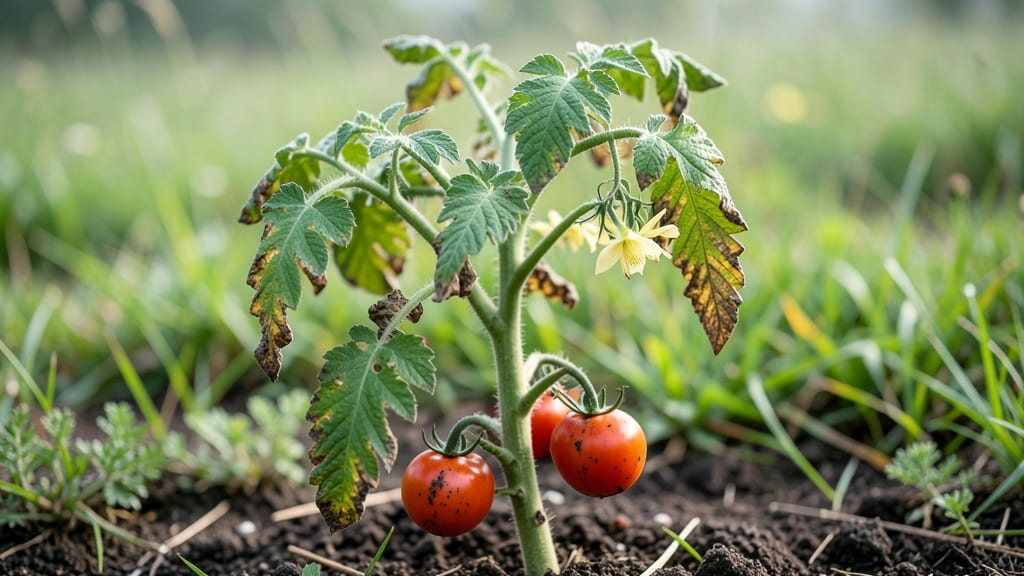
Your tomatoes are turning to brown mush before they ripen—early blight tomato fruit is the silent harvest killer you need to stop now. 🌱 I’ve watched this fungus ruin entire plants in just weeks, but there’s still time to save what’s left.
The key? Spotting the signs early and acting fast before the spots spread to your fruit.
Here’s the hard truth: early blight loves wet leaves and crowded plants. Those classic brown, concentric-ring spots on lower leaves? That’s its calling card. If you see them, prune aggressively, space plants wider, and water at the base—never overhead.
Copper fungicide works, but organic options like baking soda spray can help too.
You’ll rescue this season’s crop by cutting off infected leaves and boosting airflow. Within weeks, new growth will push out stronger, and your tomatoes will have a fighting chance. The best part? These steps also protect next year’s plants.
No more wasted harvests. Let’s turn those brown spots into a thing of the past—starting with your next watering routine. This works for heirlooms, cherry tomatoes, and everything in between.
Root Causes Of Early Blight
Early blight isn’t just a random attack on your tomato plants—it’s the result of specific conditions that create the perfect storm for fungal growth. Understanding these triggers is the first step to stopping the problem before it ruins your harvest.
Let’s break down the key factors that turn your garden into a fungal buffet.
---
Early blight is caused by the fungus Alternaria solani, which thrives in warm, humid conditions. These spores are everywhere—in soil, plant debris, and even the wind. Here’s how they get the upper hand:
- Surviving Winter: The fungus overwinters in infected plant debris (like old tomato stems or leaves) or in the soil.
If you didn’t clean up last year’s garden, the spores are already waiting to reinfect this season. - Windborne Spread: Spores can travel miles on wind currents, landing on healthy plants and starting new infections.
This is why early blight often appears suddenly, even if your garden looked perfect earlier in the season. - Tool Contamination: Pruners, shovels, or even your hands can carry spores from infected plants to healthy ones.
Always sanitize tools with a 10% bleach solution (1 part bleach to 9 parts water) between plants.
💡 Pro Tip: Rotate crops—never plant tomatoes, potatoes, or peppers (all in the nightshade family) in the same spot year after year. This breaks the fungus’s life cycle and reduces spore buildup.
---
Early blight loves heat and moisture—think of it as a fungal sunburn. The fungus spreads fastest when: - Temperatures hover between 75–85°F (24–29°C): This is its ideal growth range.
If your summer feels like a sauna, your tomatoes are at higher risk. - High Humidity or Frequent Rain: The fungus needs moisture to germinate and infect leaves.
Even morning dew or overhead watering (which keeps leaves wet for hours) can trigger outbreaks. - Poor Air Circulation: Dense plantings or crowded foliage trap humidity, creating a cozy environment for spores to multiply. Early blight often starts on lower leaves first because they’re closest to the damp soil.
🌡️ Watch Out: If your forecast calls for three or more days of 80°F+ heat with humidity, your tomatoes are in the danger zone. This is when preventive measures (like fungicides or mulch) become non-negotiable.
---
A healthy tomato plant can resist early blight to some degree, but stress makes it an easy target. Common stressors that lower defenses include: - Overwatering or Underwatering: Both extremes weaken plants.
Overwatering keeps leaves wet too long, while drought stress makes plants more vulnerable to infection. - Nutrient Deficiencies: A lack of potassium (a key nutrient for disease resistance) or nitrogen (for overall plant vigor) makes tomatoes more susceptible.
Look for yellowing leaves or stunted growth—these are red flags. - Physical Damage: Injuries from hail, pests (like hornworms), or rough handling create entry points for spores.
Even a small tear in a leaf can invite infection. - Poor Soil Health: Compacted or poorly drained soil restricts root growth, starving the plant of nutrients it needs to fight off diseases.
💪 Boost Resistance: Side-dress plants with compost or a balanced fertilizer (like 10-10-10) mid-season to keep them strong. Avoid heavy nitrogen early in the season—it promotes leafy growth at the expense of fruit and disease resistance.
--- If your irrigation water or mulch is harboring spores, you’re basically giving early blight a free ride to your plants. - Overhead Watering: Splashing water from hoses or sprinklers can splash spores from the soil onto leaves.
Always water at the base of the plant (drip irrigation or soaker hoses are best). - Infected Mulch: If last year’s mulch contained fungal spores, it can reintroduce the problem.
Use clean, fresh mulch (like straw or shredded leaves from untreated sources). - Recycled Plant Debris: Composting infected leaves or stems can spread spores instead of killing them. Burn or bag heavily infected plant material—don’t toss it in the compost pile.
✨ Smart Move: Use black plastic mulch early in the season to warm the soil and suppress weeds, then switch to organic mulch (like straw) once plants are established. This reduces spore contact with leaves.
--- If you’ve been planting tomatoes, potatoes, or peppers in the same spot every year, you’re rolling out the welcome mat for early blight.
Here’s why: - Fungal Buildup: Alternaria solani can survive in soil for years, waiting for its next host. - No Natural Predators: Without rotation, beneficial microbes and fungi that might normally keep the pathogen in check don’t get a chance to establish.
🎯 Action Plan: Follow a 3- to 4-year rotation schedule. If space is tight, interplant tomatoes with non-host crops (like beans or lettuce) to disrupt the fungus’s lifecycle.
Fixing Fungal Frenzy in Tomato Plants
Early blight may feel like a death sentence for your tomato harvest, but with the right moves, you can turn the tide and save your plants—even mid-season. The key is acting fast, combining prevention, treatment, and smart gardening habits.
Below, we break down the most effective fixes by cause, so you can tackle the problem like a pro.
---
Cause: Fungal spores spread via infected leaves, worsening the blight. Fix: - 🍳 Snip it out: Use sterilized pruners (wipe with rubbing alcohol between cuts) to remove yellow or brown leaves with concentric rings. Dispose of them in the trash (not compost)—do not leave them in the garden! - 👨🍳 Prune strategically: Focus on lower leaves first (they’re most vulnerable) and avoid over-pruning—never remove more than 1/3 of the plant at once. - 🥘 Space out pruning: If blight is severe, prune in stages over 1–2 weeks to reduce stress on the plant.
💡 Pro Tip: Water the soil (not leaves) after pruning to help the plant recover faster.
---
Cause: Early blight thrives in stressed or weak plants. Fix: - 🎯 Spray preventatively: Use copper fungicide (like Bordeaux mixture or copper sulfate) every 7–10 days during wet seasons or when blight appears. - ✨ Apply correctly: Spray early in the morning on dry leaves (avoid wet conditions—fungicides work best when dry). Cover both tops and undersides of leaves. - 🔥 Organic alternative: If you prefer natural options, try neem oil or baking soda spray (1 tbsp baking soda + 1 tsp dish soap + 1 gallon water). Reapply every 5–7 days in humid weather.
💡 Pro Tip: Rotate fungicides if blight persists—fungi can build resistance!
---
Cause: Overhead watering and poor airflow fuel fungal growth. Fix: - 💧 Water at the base: Use drip irrigation or soaker hoses to keep leaves dry. Water early in the day so foliage has time to dry. - 🌿 Mulch like a pro: Apply 2–3 inches of straw or grass clippings around plants (but keep it 2–3 inches away from stems to prevent rot). Mulch reduces splashing spores and keeps soil moist. - 🌬️ Improve airflow: Space plants 18–24 inches apart (if growing in rows) and prune suckers to reduce crowding.
💡 Pro Tip: Avoid watering late in the day—wet leaves overnight = fungal party time.
---
Cause: Fungal spores linger in contaminated soil. Fix: - 🌱 Rotate crops: Never plant tomatoes, potatoes, or peppers in the same spot for 3–4 years. Early blight’s fungus (Alternaria solani) can survive in soil. - 🌱 Solarize soil (for severe cases): In hot climates, cover beds with clear plastic for 4–6 weeks in summer to kill fungi. - 🌱 Boost soil health: Add compost or aged manure in fall or early spring to strengthen plant immunity. Avoid fresh manure—it can burn plants and attract pests.
💡 Pro Tip: Plant resistant varieties like ‘Mountain Merit,’ ‘Defiant PhR,’ or ‘Bush Early Girl’ next season.
---
If blight has already taken over, try these last-resort tactics: - 🍅 Harvest ripe tomatoes ASAP: Even if the plant is dying, pick all ripe fruit to prevent further spread. - 🌱 Replace the plant: If the main stem is severely infected, dig up and destroy the plant (don’t compost!) and start fresh with a new transplant. - 🛡️ Quarantine the area: Do not compost infected plant material—bag and trash it to prevent reinfection.
💡 Pro Tip: Disinfect tools after handling infected plants to avoid cross-contamination.
--- - 🌱 Start with clean seeds/seedlings: Buy from reputable nurseries or sterilize your own seeds (soak in 1% hydrogen peroxide for 10 mins). - 🌱 Use row covers: Floating row covers (lightweight fabric) can block spores during early growth. - 🌱 Monitor weather: Early blight loves hot, humid days with overnight dew—stay vigilant in July–August.
--- By combining pruning, fungicides, smart watering, and soil care, you can minimize damage and save your tomato harvest. Early blight doesn’t have to be a death sentence—act now, and your plants will thank you with juicy, disease-free tomatoes! 🍅💪
Frequently asked questions
Can early blight actually ruin my tomato fruit, or just the leaves?
Yes, early blight can absolutely damage your tomato fruit! While it often starts on leaves with brown spots, the fungus can spread to stems and fruit, causing dark, sunken lesions that make tomatoes unmarketable or inedible. The key is acting fast—remove infected leaves immediately and avoid overhead watering to prevent spores from splashing onto fruit.
How do I tell if my tomato spots are early blight vs. something else?
Early blight spots have concentric rings (like bullseyes) and start on lower leaves. Unlike late blight (which causes greasy-looking lesions), early blight doesn’t kill plants quickly. Check for yellowing leaves first—this is the fungus’s signature move! If spots are on fruit but no rings appear, it might be sunscald or blossom-end rot.
Will baking soda really stop early blight, or is that just a myth?
Baking soda can help—but it’s not a magic cure! Mix 1 tbsp baking soda + 1 tsp dish soap + 1 gallon water and spray on dry leaves every 5–7 days during humid weather. It raises leaf pH, making it harder for spores to germinate. For severe cases, combine it with copper fungicide for better results. Pro tip: Spray in the morning so leaves dry quickly.
Can I still eat tomatoes from a plant with early blight?
Yes, but only if the fruit is ripe and unblemished. Early blight rarely makes tomatoes toxic, but avoid eating fruit with dark, sunken lesions—they can be bitter or spoiled inside. Harvest ripe tomatoes immediately and compost or trash any infected plant parts to prevent spread. The key is acting before the fungus reaches your harvest!
How long does it take for early blight treatments to work?
You’ll see noticeable improvement in 7–10 days with consistent treatment (like copper fungicide or baking soda spray). However, stopping new infections takes longer—prune aggressively and improve airflow immediately. For organic methods, neem oil may take 2–3 weeks to show full effects. The sooner you act, the better your chances of saving the plant!