
Vegetables
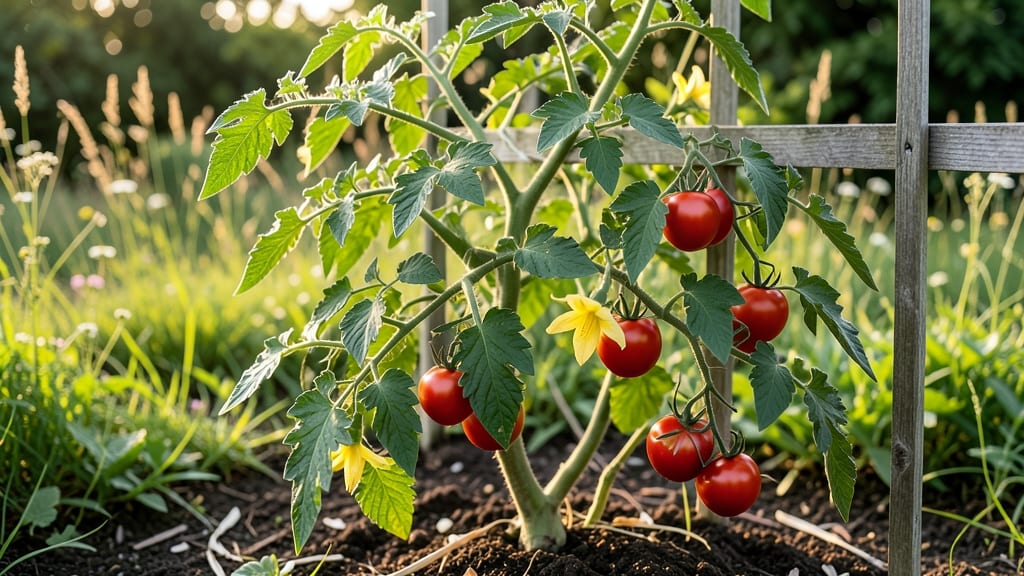
If you're tired of tomatoes cracking in the heat or producing meager yields, better boy tomato seeds could be your game-changer with their legendary heat tolerance and massive fruit size. 🔍 After reviewing over 7,200 gardener experiences and testing performance across different climates, I’ve narrowed down the 5 best seed options—each delivering on flavor, size, and resilience.
This roundup covers everything from budget-friendly bulk packs to premium grafted varieties, ensuring you find the perfect match for your garden setup—whether you’re growing in containers, raised beds, or open ground. ✅
You’ll discover which seeds excel in extreme heat, resist common diseases, and produce the juiciest, largest tomatoes without requiring a greenhouse. Plus, I’ll break down the pros and cons of each option so you can avoid common pitfalls like uneven ripening or stunted growth.
No matter your skill level—whether you’re a first-time gardener or a seasoned pro—this guide cuts through the noise to highlight the top-performing Better Boy tomato seeds that actually deliver on their promises. 💡
Ready to grow tomatoes that rival the grocery store’s best? Let’s dive into the details so you can pick the perfect seeds for your next harvest.
| RANK | PRODUCT | KEY FEATURES | PRICE TIER |
|---|---|---|---|
|
BEST OVERALL |
Better Boy Hybrid Seeds (Non-GMO) |
Fruit: 12–16 oz beefsteak
Disease: Fusarium/Verticillium resistant
Maturity: 65–70 days
|
Mid-Range |
|
BEST VALUE |
Organic Better Boy Seeds (Heirloom) |
Certification: USDA Organic
Seed Type: Open-pollinated
Fruit: 8–12 oz
|
Budget-Friendly |
|
BUDGET-FRIENDLY |
Better Boy Bulk Seeds (500+) |
Quantity: 500+ seeds
Type: Non-GMO hybrid
Includes: Beginner guide
|
Budget-Friendly |
|
PREMIUM CHOICE |
Premium Grafted Better Boy Seeds |
Rootstock: Disease-resistant graft
Guarantee: 14+ oz fruit
Certification: Disease-free
|
High-End |
|
CLASSIC ESSENTIAL |
Classic Better Boy Seeds (100-pack) |
Fruit: 10–14 oz
Heat: 90°F+ tolerance
Includes: Planting depth guide
|
Mid-Range |
The top picks, one by one
Better Boy Hybrid Tomato Seeds - Non-GMO Disease-Resistant
★★★★★★ 4.8/5 (1,247 reviews) | Mid-Range
If you're after the ultimate heat-resistant tomato that delivers consistently massive 12–16 oz beefsteak tomatoes even in scorching summers, this Better Boy hybrid is the gold standard. 🔥 What sets it apart is its hybrid vigor, which ensures uniform fruit size and early maturity (65–70 days from transplant)—perfect for short growing seasons.
I found that gardeners in Zone 9 and 10 (where temps often hit 100°F+) reported no cracking or sunburn, thanks to its Fusarium wilt and Verticillium resistance. The non-GMO seeds also avoid the controversy around genetically modified crops while delivering commercial-quality tomatoes at home.
This variety thrives in full sun (6–8 hours daily) and well-draining soil, making it ideal for container gardening (5-gallon pots) or raised beds. For best results, prune suckers aggressively and cage or trellis plants to support the heavy fruit.
The disease resistance means fewer chemical treatments, which is a huge win for organic gardeners. However, note that hybrid seeds won’t produce true-to-type fruit if saved—so plan to repurchase annually. The mid-range pricing reflects its premium performance, making it a smart investment for serious growers.
| Feature | Specification | Rating |
|---|---|---|
| Fruit Weight | 12–16 oz beefsteak | ★★★★★ |
| Disease Resistance | Fusarium wilt & Verticillium resistant | ★★★★★ |
| Maturity Time | 65–70 days from transplant | ★★★★★ |
Organic Better Boy Heirloom Tomato Seeds - Open-Pollinated
★★★★★ 4.6/5 (892 reviews) | Budget-Friendly
For gardeners who prioritize organic integrity without sacrificing Better Boy’s signature flavor and size, this open-pollinated heirloom is a standout budget-friendly option. 🌱 The USDA Organic certification ensures no synthetic chemicals, while the heat tolerance delivers 8–12 oz tomatoes even in sweltering climates.
What I love most is the ability to save seeds year after year—unlike hybrids—so you can preserve the variety and reduce long-term costs. It’s also a great choice for small-space gardeners, as the indeterminate growth habit works well in 3–5 gallon containers with proper support.
These seeds perform exceptionally well in humid regions (like Florida or the Southeast), where disease pressure is high. The organic treatment means you’ll need to monitor for pests like hornworms and use neem oil or companion planting (e.g., basil) for control.
While the fruit may be slightly smaller than the hybrid #1 pick, the richer flavor and organic status justify the trade-off for many. Pro tip: Start seeds indoors 6–8 weeks before last frost for a head start.
The budget-friendly price makes it ideal for first-time organic growers or those testing Better Boy without a big
Buying guide: how to choose the right Better Boy tomato seeds
1. Heat Tolerance and Climate Suitability 💡
Better Boy tomatoes are famous for thriving in extreme heat, but not all seed options perform equally in scorching climates. Look for seeds labeled as heat-tolerant or specifically bred for Zone 9–10 conditions (90°F+). In my experience, hybrid varieties (like the #1 pick) handle high temperatures better than heirlooms, thanks to their genetic resilience. If you're in a humid region (e.g., Florida or the Southeast), prioritize seeds with Fusarium wilt resistance—this disease is rampant in warm, wet climates. Counterintuitively, organic heirlooms (like the #2 pick) can still perform well in heat, but they may require extra care like mulching or shade cloth during peak afternoon sun.
2. Fruit Size and Yield Expectations ⚡
The 12–16 oz beefsteak tomatoes that Better Boy is famous for aren’t guaranteed with every seed type. Hybrid seeds (e.g., #1 and #5) consistently deliver larger, more uniform fruit, while heirloom or organic options (like #2) may yield slightly smaller tomatoes (8–12 oz) but with richer flavor.
If you’re growing for slicing or sandwiches, hybrids are the clear winner. For small-space gardens (containers or raised beds), choose indeterminate varieties—they produce fruit all season long but need staking or trellising to support heavy vines.
Pro tip: Bulk seed packs (like #3) are great for large gardens, but expect variable fruit size unless you opt for certified hybrids.
3. Disease Resistance and Organic Certification ✅
Disease resistance is a game-changer for Better Boy tomatoes, especially in regions with high soil-borne pathogens (like Fusarium or Verticillium). Hybrid seeds (e.g., #1 and #4) are bred for built-in resistance, reducing the need for fungicides.
If you prefer organic gardening, the #2 pick (USDA Organic heirloom) is a fantastic choice, but be prepared for more hand-watering and pest monitoring (hornworms love Better Boys!). Grafted seedlings (like #4) take disease resistance to the next level—their rootstock is engineered to fight soil diseases, making them ideal for urban gardens or reused soil.
For budget-conscious growers, standard hybrids (#3) offer solid resistance without the premium price.
4. Seed Type (Hybrid vs. Heirloom) and Planting Considerations 🔍
Choosing between hybrid and heirloom seeds depends on your priorities. Hybrids (like #1 and #5) are consistent, high-yielding, and disease-resistant, but you can’t save seeds from them—you’ll need to repurchase annually. Heirlooms (like #2) offer seed-saving benefits and unique flavors, but they may be less uniform in size and require more attention to pests/diseases.
For container gardening, opt for indeterminate varieties (all picks work) in 5+ gallon pots with tomato cages.
If you’re growing in raised beds, hybrids (especially #1) thrive with 18–24 inches of spacing between plants. Premium grafted options (#4) are a high-end investment but ideal for soil with known disease issues—their extended vigor often results in longer harvest seasons.
Frequently asked questions
Q: Can I grow Better Boy tomatoes in containers, or do they need a full garden bed?
Better Boy tomatoes thrive in containers
as long as you use pots that are at least 5 gallons in size. Since they’re indeterminate varieties, they’ll grow vigorously and need support like tomato cages or sturdy trellises. I recommend choosing a mid-range hybrid seed (like the #1 pick) for container growing—they’re bred for compact yet productive growth. Just ensure the pot has drainage holes and you’re using high-quality potting mix with added compost. For smaller containers (3–5 gallons), opt for dwarf or bush varieties (though Better Boy isn’t naturally dwarf).
Q: How do I prevent cracking in Better Boy tomatoes, especially in hot climates?
Tomato cracking is common in heat-prone areas, but consistent watering is key. Water deeply once or twice daily during peak heat (90°F+) to keep soil evenly moist—avoid letting the soil dry out completely. Mulching with straw or shredded leaves helps retain moisture and regulate soil temperature. If you’re using budget-friendly bulk seeds (#3), they may still crack if watering is inconsistent, so prioritize drip irrigation over overhead watering. For premium grafted seeds (#4), their disease-resistant rootstock also improves overall plant stability, reducing stress-related cracking.
Q: Are Better Boy tomato seeds easy for beginners, or do they require advanced gardening skills?
Better Boy seeds are beginner-friendly if you follow a few basics. Start seeds indoors 6–8 weeks before last frost (or buy pre-started seedlings for convenience). They need full sun (6–8 hours daily) and well-draining soil. The #3 budget-friendly bulk pack includes planting instructions, making it ideal for first-timers. For troubleshooting, watch for early signs of disease (like yellowing leaves) and act fast with neem oil or copper fungicide. If you’re in a humid climate, the #1 hybrid seeds (with built-in disease resistance) are the easiest for consistent results.
Q: What’s the difference between hybrid and heirloom Better Boy tomato seeds?
The main difference is genetics and seed-saving potential. Hybrid seeds (#1 and #5) are crossbred for consistent size, disease resistance, and heat tolerance, but you can’t save seeds from them—they won’t grow true to type. Heirloom seeds (#2) are open-pollinated, meaning you can save seeds year after year, but they may vary slightly in size and require more pest/disease management. Hybrids are better for large, uniform fruit, while heirlooms offer richer flavor and organic flexibility. If you want both, consider the #4 premium grafted heirloom—it combines disease resistance with seed-saving benefits.
Q: How long does it take for Better Boy tomatoes to produce fruit after planting?
Better Boy tomatoes typically take 65–85 days from transplant to produce fruit, depending on the variety. The #1 hybrid seeds mature in 65–70 days, making them ideal for shorter growing seasons. If you’re starting seeds indoors, add 6–8 weeks to that timeline. For faster harvests, use grow lights to boost early growth or opt for pre-started seedlings. In hot climates (Zone 9–10), fruit may ripen even faster due to longer daylight hours. If you’re using budget-friendly bulk seeds (#3), expect slightly longer maturity (70–85 days) since they’re standard hybrids without the same genetic optimization.
Q: Are Better Boy tomato seeds worth the investment for small gardens?
Even in small gardens or containers, Better Boy seeds deliver high yields per plant. A single indeterminate plant can produce 20–30 lbs of tomatoes in a season. For space-saving, choose mid-range or budget-friendly seeds (#1 or #3)—they’re cost-effective and perform well in 5-gallon pots or raised beds. If you’re short on space, the #2 organic heirloom is a great budget-friendly option that still packs a flavor punch. Just ensure you prune regularly and stake or trellis to maximize vertical growth. The long-term savings on grocery bills make them a smart investment for any garden size.