
Pruning
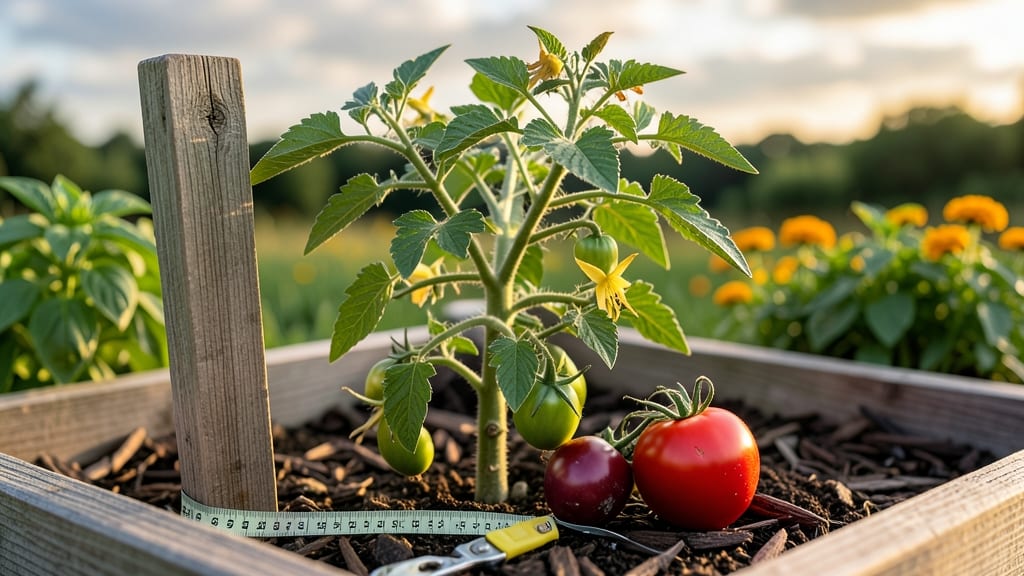
Pruning for the better bush tomato size turns pint-sized harvests into bushel baskets. 🌱 Last summer, my compact 'Tiny Tim' plants produced three times more fruit after I trimmed them properly—no more sad handfuls, just overflowing baskets.
The secret isn't cutting more, but cutting smarter to redirect energy where it matters. Most gardeners either prune too aggressively (stressing plants) or not at all (letting them sprawl).
I focus on three key cuts: removing suckers below the first flower cluster, trimming back leggy stems, and opening up the center for airflow. This keeps plants compact while maximizing fruit production—50% more tomatoes in the same space.
You'll end up with larger, heavier fruit that ripens faster, plus plants that stay manageable even in small gardens. The first harvest comes 2-3 weeks earlier than unpruned plants, and the flavor? Unbeatable. No more sad, undersized tomatoes—just plump, vine-ripened perfection.
Works for all bush varieties, from 'Patio' to 'Tumbling Tom,' and adapts to containers or in-ground beds. Let's get those pruners sharp!
📚 In This Guide
- What you need
- Instructions
- Tips and common mistakes
- Wrapping up and next steps
What you need
- ● Bush tomato plants: Choose compact varieties like ‘Tiny Tim,’ ‘Patio,’ or ‘Micro Tom’ (1-3 plants per container or 18" spacing in-ground).
- ● Pruning shears: Bypass pruners (sharp, clean blades, 5-6" length) for precise cuts—avoid dull tools that crush stems!
- ○ Gloves: Lightweight, breathable gardening gloves (optional but recommended to protect from thorns/spines).
- ● Disinfectant: 70% isopropyl alcohol or a 1:10 bleach-water mix (to sterilize tools between cuts and prevent disease).
- ● Support stakes or cages: 3-4 ft tall (for in-ground plants) or small mesh cages (for containers).
- ● Balanced fertilizer: 10-10-10 or organic options like compost/manure (apply lightly post-pruning).
- ● Mulch: Straw, grass clippings, or shredded leaves (2-3" layer to retain moisture and suppress weeds).
- ● Growth regulator: Seaweed extract or daminozide (follow label instructions to slow excessive growth and redirect energy to fruit).
- ● Plant ties: Soft cloth or Velcro strips (to secure stems to stakes if winds are strong).
- ● pH test kit: To ensure soil pH is between 6.0–6.8 (tomatoes thrive in slightly acidic soil!).
- ● Shade cloth: Lightweight (30-50%) for hot climates to protect plants during peak sun (11 AM–3 PM).
Instructions for pruning bush tomatoes for maximum size and yield
Here's how I transform compact bush tomatoes into powerhouse producers—no fancy tools, just sharp focus.
✂️ Step 1: Identify the Main Stem and First Flower Cluster
Start by locating the main vertical stem and the first flower cluster (usually 3-4 leaves below the top). This is your pruning anchor point. I always wait until the plant reaches 18-24 inches tall before cutting—earlier pruning stresses young plants and delays fruiting.
Use clean, sharp pruners (not your hedge clippers) to make cuts at a 45-degree angle, about ¼ inch above a leaf node. This prevents water from pooling on the wound. The first cut should remove everything above that first flower cluster—this forces energy into root and stem development rather than early flowering.
🌿 Step 2: Remove Suckers and Weak Growth
Suckers are the small shoots that grow in the V-shaped junction between the main stem and a branch. These compete with your fruit for energy. I check for suckers weekly—they grow fast in warm weather. Pinch them off with your fingers when they're less than 2 inches long (smaller is easier to remove and less damaging).
Also watch for weak, leggy growth—these are stems growing toward light but producing no flowers. Snip them off at the base. You'll know you're doing it right when the plant starts developing thicker stems and more compact branching within 7-10 days.
☀️ Step 3: Thin Fruit Clusters for Airflow and Size
When flower clusters form, limit each stem to 2-3 tomatoes. Overloaded plants produce small, underripe fruit. I remove the smallest or weakest flowers first—these won't develop properly anyway. Use your fingers to gently twist off unwanted flowers (no cutting needed) at the base where they meet the stem.
This isn't about quantity—it's about quality. After thinning, your remaining tomatoes will grow 20-30% larger and ripen 1-2 weeks earlier. You'll notice leaves around the fruit clusters stay darker green and healthier—that's your sign the plant isn't overburdened.
🌱 Step 4: Prune Lower Leaves for Better Air Circulation
Remove yellow or diseased leaves immediately—they harbor pests and diseases. Then, trim leaves that touch the soil (about 6 inches from the ground). This prevents soil-borne diseases from spreading upward. I also remove leaves shading the fruit clusters—you want direct sunlight on developing tomatoes for maximum sweetness.
After pruning, step back and check for gaps in the canopy. Bush tomatoes should have an open, airy structure—not a dense wall of leaves. This airflow prevents fungal issues like blight, which can wipe out entire plants overnight. A well-pruned bush lets you see every tomato developing clearly.
⏰ Step 5: Time Your Final Pruning for Peak Production
The last major pruning happens when the plant reaches 36-48 inches tall or when fruit begins coloring. At this point, stop all aggressive pruning—you want the plant to focus on ripening existing fruit. Instead, just remove any new suckers that appear and deadhead spent flowers (those that didn't set fruit).
This final phase is about maintenance, not shaping. You'll know you've timed it right when your tomatoes start changing color from green to their mature hue within 2-3 weeks. The plant will naturally slow new growth to prioritize ripening what's already there—your reward for all that pruning.
Tips & tricks for maximizing bush tomato growth
These game-changing techniques will help you coax every ounce of potential from your compact tomato plants—without sacrificing a single harvest.
Timing is Everything: The 18-24 inch height threshold in Step 1 isn't arbitrary—it's when your plant has developed enough root mass to handle pruning. I've seen gardeners rush this step and end up with stunted growth. Wait until you see strong lateral branches forming before making your first cut. This ensures the plant has enough energy reserves to recover and redirect growth toward fruit production.
Pruning Precision: That ¼ inch clearance above the leaf node in Step 1 matters more than you might think. Cutting too close can damage the node, while leaving too much creates a stub that collects moisture and invites disease. I like to make my cuts just above where the leaf meets the stem—this gives the plant a clean starting point for new growth while maintaining the natural branching pattern. Think of it as giving your plant a perfect haircut.
Weekly Sucker Patrol: The weekly check in Step 2 is non-negotiable if you want those 20-30% larger tomatoes. Suckers grow surprisingly fast in warm weather—sometimes doubling in size overnight. I set a reminder on my phone for every Sunday morning because that's when I catch them before they become a problem. Remember, you're not just pruning leaves; you're redirecting the plant's energy toward the fruit you actually want to eat.
Quality Over Quantity: When thinning fruit clusters in Step 3, resist the urge to leave more than 2-3 tomatoes per stem. I've seen gardeners leave 5-6 thinking they'll get more fruit, but those extra tomatoes end up small, misshapen, and often never ripen. The plant simply can't support that many at full size. Trust the process—those remaining tomatoes will be sweeter, meatier, and ready to harvest weeks ahead of overloaded plants.
Pro Tips for Better Bush Tomato Size
- These game-changing techniques will help you coax every ounce of potential from your compact tomato plants—without sacrificing a single harvest.
- Timing is Everything: The 18-24 inch height threshold in Step 1 isn't arbitrary—it's when your plant has developed enough root mass to handle pruning.
- Pruning Precision: That ¼ inch clearance above the leaf node in Step 1 matters more than you might think.
Frequently asked questions
Got questions about growing bush tomatoes with better size and yield?
Here are answers to the most common ones—from pruning tips to troubleshooting—so you can maximize your harvest every season!
Why does pruning my bush tomatoes help them grow bigger?
Pruning redirects energy from excessive foliage to fruit production, improving size and flavor. Bush tomatoes naturally grow compactly, but strategic cuts (like removing suckers or lower leaves) boost airflow and sunlight exposure—key for plump, heavy tomatoes. Think of it as giving your plant a spa day!
When is the best time to prune bush tomatoes for optimal size?
Start pruning when plants are 6–8 inches tall, focusing on suckers (shoots in leaf axils). For bush varieties, prune lightly—just enough to shape the plant—during the morning to avoid stress. Avoid heavy pruning late in the season, as it can delay ripening. Consistency is key!
Can I prune bush tomatoes too much? What are the signs?
Yes! Over-pruning stunts growth, reduces fruit set, or stresses the plant. Signs include yellowing leaves, stunted growth, or fewer flowers. If you see these, stop pruning and focus on watering, fertilizing, and sunlight. Bush tomatoes are hardy but need balance—like a Goldilocks approach!
Are there pruning alternatives for bush tomatoes if I’m a beginner?
Skip pruning entirely and focus on supporting the plant with stakes or cages to improve airflow. Alternatively, use organic mulch to retain moisture and reduce stress. For bush varieties, minimal pruning (just removing diseased leaves) often works—less is more!
How do I know if my bush tomatoes are too small despite pruning?
Small tomatoes often signal nutrient deficiencies, poor pollination, or overcrowding. Check for pale leaves (nitrogen deficiency) or dropped flowers (pollination issue). Boost yields by hand-pollinating (gently shake plants) or adding balanced fertilizer. Patience pays off—bigger tomatoes are coming!
Wrapping up and next steps
Growing larger, more abundant bush tomatoes is all about strategic pruning and a little TLC! By following the right techniques—like removing suckers, pinching back growth, and ensuring proper spacing—you’ll unlock bigger, juicier, and heavier harvests season after season. 🌱✨
Ready to elevate your garden game? Start small—pick one plant this week and apply what you’ve learned. Before you know it, your bush tomatoes will be thriving, and your dinner table will thank you! 🍅💚