
Companion Plants
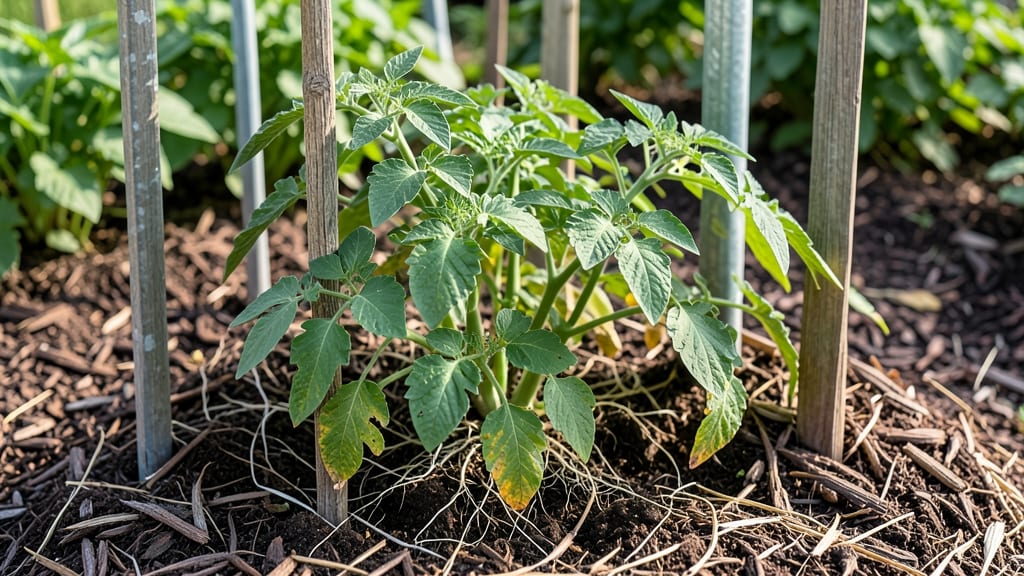
Growing Big Boy tomato plants means beefy, heat-tolerant vines that keep producing through summer’s hottest stretches—something my garden struggled with until I switched varieties. 🌞 These aren’t your average tomatoes; they’re the kind that turn heads at farmers' markets and leave neighbors asking for cuttings.
The secret lies in their thick stems, sprawling growth habit, and ability to handle temperatures other varieties wilt in.
You’ll need rich, well-draining soil with plenty of organic matter—think compost mixed into the top 12 inches of bed—and a sturdy trellis or cage to support their 6-8 foot reach.
Unlike smaller varieties, Big Boys demand consistent moisture (1-2 inches per week) and regular feeding with balanced fertilizer every 2-3 weeks. Prune aggressively to focus energy on fruit production, and watch as those 1-pound beauties ripen faster than you can snap photos.
What you end up with is a steady harvest from July through frost, even when other plants struggle. The vines stay productive longer, the fruit resists cracking, and you’ll have enough to share (or can) without buying a single store-bought tomato.
The trade-off? They need space—these aren’t container plants—and their sprawl requires commitment to staking or caging.
For beginners, start with one plant to master the care routine. Experienced gardeners can experiment with succession planting for extended harvests. Either way, you’re growing tomatoes that taste like summer memories—big, meaty, and impossible to resist slicing straight off the vine.
📚 In This Guide
- What you need
- Instructions
- Tips and common mistakes
- Wrapping up and next steps
What you need
- ● Big Boy tomato seeds or seedlings: Choose heat-tolerant varieties like 'Big Beef' or 'Celebrity' (if available). Buy 2-4 plants for a family-sized harvest.
- ● High-quality potting mix or garden soil: 50 lbs of organic, well-draining soil (amend with compost for nutrients).
- ● Fertilizer: A balanced 10-10-10 or tomato-specific fertilizer (follow package rates).
- ● Mulch: 2-3 bags of straw or wood chips to retain moisture and regulate soil temperature.
- ● Tomato cages or stakes: 3-4 sturdy cages (6+ ft tall) or 8-ft bamboo stakes to support heavy fruit.
- ● Drip irrigation or soaker hoses: 50 ft of tubing to deliver consistent water without wetting leaves.
- ● Garden trowel or transplanter: For planting seedlings gently.
- ● Pruning shears: To trim suckers and shape plants.
- ● Gloves & sun hat: Protect yourself from sun and thorns!
- ○ Optional but helpful: Shade cloth (for extreme heat: 30% coverage).
- ● Row covers (to deter pests early on).
- ● pH test kit (ideal soil pH: 6.0–6.8).
Step-by-step guide to growing heat-resistant Big Boy tomato plants
Here’s how I grow Big Boy tomatoes that thrive in hot climates and produce truckloads of fruit.
🌱 Step 1: Select and Prepare Your Heat-Tolerant Seedlings
Big Boy tomatoes are already heat-resistant, but you’ll want to start with strong, disease-free seedlings. I always source my plants from reputable nurseries or grow them from seed indoors 8-10 weeks before the last frost. If buying transplants, look for stocky, dark green plants with no yellowing leaves—a sign of stress or disease.
Before planting, harden off your seedlings by exposing them to outdoor conditions for 1-2 hours daily over 7-10 days. Start in a shaded area and gradually increase sun exposure. This toughens the plants so they can handle the heat once transplanted. I also trim any flowers or fruit that form during this period—they’ll sap energy needed for root establishment.
☀️ Step 2: Plant in Well-Draining, Fertile Soil with Full Sun
Big Boy tomatoes need full sun (6-8 hours daily) and soil that drains well but retains moisture. Amend your garden bed with 2-3 inches of compost mixed into the top 12 inches of soil. If your soil is heavy clay, add organic matter like peat moss or coconut coir to improve aeration. I test my soil’s pH first—Big Boys prefer a range of 6.0-6.8.
Plant your seedlings deep, burying ⅔ of the stem below soil level. This encourages stronger root growth. Space plants 24-36 inches apart in rows 3-4 feet apart to allow airflow and prevent disease. Water deeply right after planting to settle the soil and eliminate air pockets around the roots.
💧 Step 3: Water Deeply and Mulch to Retain Moisture
Heat stress is the biggest enemy of Big Boy tomatoes, so consistent moisture is key. Water deeply 1-2 times per week, aiming for 1-1.5 inches of water per week, depending on rainfall. I water in the early morning to reduce evaporation and fungal risks. Avoid wetting the leaves—this promotes disease, especially in humid climates.
Apply a 3-4 inch layer of organic mulch (straw, shredded leaves, or wood chips) around each plant, keeping it 6 inches away from the stem. Mulch locks in moisture, regulates soil temperature, and suppresses weeds. Replenish as it breaks down—this is non-negotiable in hot summers.
✂️ Step 4: Prune and Support for Maximum Yield
Big Boy tomatoes are indeterminate, meaning they grow continuously and need support. Install sturdy cages (5-6 feet tall) or stakes at planting time to avoid damaging roots later. As the plant grows, prune suckers—those little shoots that form in the leaf axils—weekly. Suckers divert energy from fruit production, so pinch them off cleanly with your fingers or pruners.
Also, prune lower leaves that touch the soil to improve airflow and reduce disease risk. I leave 2-3 main stems for better airflow and fruit distribution. If your plant gets leggy, trim the top ⅓ of the plant to encourage bushier growth and more compact fruit set.
🌿 Step 5: Fertilize and Monitor for Heat Stress
Feed your Big Boy tomatoes with a balanced, slow-release fertilizer (10-10-10 or 5-5-5) at planting, then again 4-6 weeks later. Switch to a low-nitrogen, high-phosphorus fertilizer (5-10-10) when flowers appear to encourage fruiting. I also side-dress with compost tea or fish emulsion every 4-6 weeks for a nutrient boost without burning the plants.
Watch for signs of heat stress: wilting leaves, yellowing, or blossom drop. If this happens, provide afternoon shade with shade cloth (30-50%) for 1-2 weeks until the plant recovers. Big Boys are tough, but even they need a break from extreme heat. Keep an eye out for pests like hornworms or aphids—handpick or spray with neem oil if needed.
Tips & tricks for thriving Big Boy tomato plants
Here's what nobody tells you about pushing these heat-loving plants to their maximum potential.
Seedling Selection: When choosing transplants, look beyond just the leaves—check the roots too. Gently cup the pot and give it a gentle tug. If the roots resist and you see a dense white network, that's your plant. I've learned this the hard way after buying weak seedlings that struggled to establish. Also, avoid any plants with blossoms already forming—they'll divert energy from root growth during the critical first weeks.
Soil Preparation: The 2-3 inches of compost we mix into the top 12 inches of soil is non-negotiable, but here's the secret: I always add a handful of biochar to each planting hole. This porous carbon material improves water retention and microbial activity, giving your Big Boys an extra boost in hot climates. For clay soils, I mix in equal parts compost and coconut coir to create perfect drainage while maintaining moisture.
Watering Strategy: Those 1-2 weekly waterings need to be strategic. I use a moisture meter to check soil depth at 2 inches—this is where the roots are actively growing. Water until moisture reaches 6 inches down, which typically requires 1-1.5 gallons per plant. The early morning timing isn't just about evaporation—it also gives leaves time to dry before evening humidity peaks, reducing fungal risks. Consider installing drip irrigation on a timer for consistent moisture without wetting foliage.
Heat Stress Prevention: When you notice wilting leaves or blossom drop during extreme heat, don't just throw shade cloth over the plants. First, check soil moisture at depth—sometimes the roots have pulled away from the sides of the planting hole. I've found that temporarily reducing sunlight to 30% shade for just 1-2 weeks while maintaining consistent watering gives plants time to recover. You'll often see new growth within 5-7 days if you catch it early. For severe cases, misting the air around plants (not the leaves) with cool water can provide temporary relief.
Pro Tips for Big Boy Tomato Plants
- Here's what nobody tells you about pushing these heat-loving plants to their maximum potential.
- Seedling Selection: When choosing transplants, look beyond just the leaves—check the roots too.
- Soil Preparation: The 2-3 inches of compost we mix into the top 12 inches of soil is non-negotiable, but here's the secret: I always add a handful of biochar to each planting hole.
Frequently asked questions
Got questions about growing Big Boy tomato plants? You’re not alone! Here are some of the most common queries—and their answers—to help you grow like a pro:
How do I know when my Big Boy tomato plants are ready for transplanting?
Transplant your seedlings when they’ve developed 2-3 sets of true leaves (not the tiny seed leaves) and are about 4-6 inches tall. Harden them off for 7-10 days first by placing them outside in partial shade for a few hours daily. Wait until nighttime temps stay above 50°F (10°C) to avoid cold shock!
How long does it take for Big Boy tomatoes to produce fruit after transplanting?
Big Boy tomatoes typically take 60-85 days from transplanting to harvest, depending on your climate. In warm regions, you might see fruit in as little as 70 days, while cooler areas could extend this to 90 days. Patience pays off—consistent care speeds up the process!
Can I grow Big Boy tomatoes in containers, or do they need a garden bed?
Big Boy tomatoes thrive in 5-gallon containers or larger (at least 18 inches deep). Use a lightweight potting mix with added compost and ensure the pot has drainage holes. Place them in a sunny spot and stake or cage them for support. Container-grown plants may need more frequent watering since soil dries out faster.
What should I do if my Big Boy tomato plants develop yellow leaves?
Yellow leaves usually signal overwatering, nutrient deficiency, or pests. First, check the soil—it should be moist but not soggy. If the yellowing starts at the bottom leaves, it’s often nitrogen deficiency (add compost or a balanced fertilizer). For spotted or chewed leaves, inspect for pests like aphids or hornworms and treat with neem oil or insecticidal soap if needed.
Are Big Boy tomatoes self-pollinating, or do I need to help them?
Big Boy tomatoes are self-pollinating, meaning they don’t require manual help like some heirloom varieties. However, gentle shaking of the plants on a calm day can boost pollination, especially in hot or humid weather. If you notice flowers dropping without fruiting, it might be due to temperature stress (below 55°F or above 95°F)—provide shade cloth if needed.
Wrapping up and next steps
Growing Big Boy tomato plants is a rewarding journey that brings big flavors and bigger harvests to your garden—especially when paired with the right companions! 🌱 By choosing heat-resistant varieties and following smart planting strategies, you’ll enjoy juicy, robust tomatoes even in warmer climates.
Remember, the key lies in preparation (soil, spacing, and support) and partnerships (companion plants like basil or marigolds).
Now that you’re armed with knowledge, it’s time to roll up your sleeves! Start by selecting your Big Boy seeds or seedlings and sketch out your garden layout.
Whether you’re a seasoned gardener or a curious beginner, every tomato you grow is a step toward a fresher, tastier future. Happy planting—and may your harvests be abundant! 🍅✨