
Companion Plants
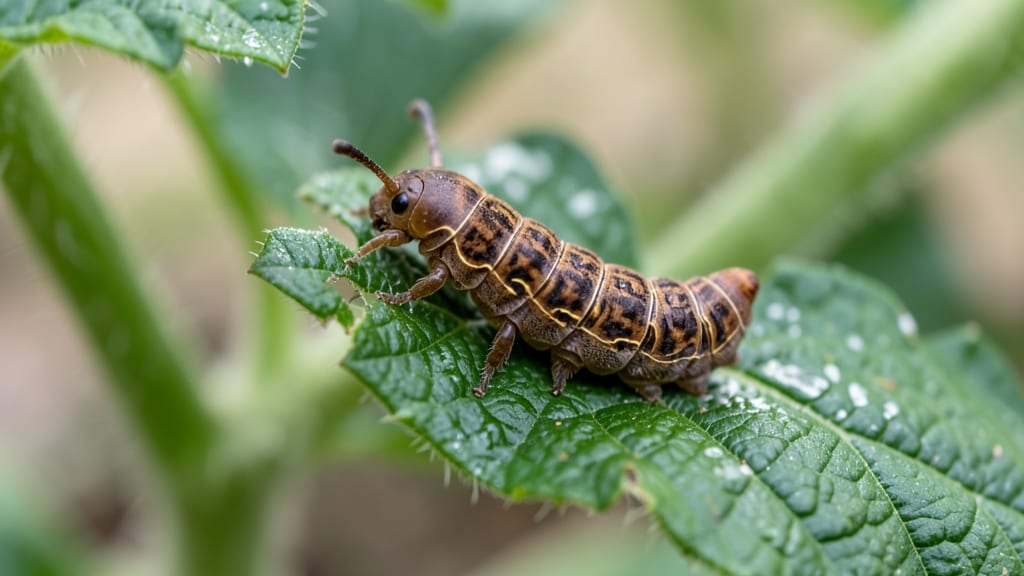
That brown caterpillar on the tomato plant munching your leaves could be a hornworm—or it might be a harmless sphinx moth larva. 🌱 The difference between a pest and a pollinator helper often comes down to size, stripes, and what’s left after they dine.
I’ve spent years watching these critters transform my garden, and I’ll show you how to tell friend from foe before reaching for the spray bottle.
Hornworms—those 2-4 inch brown, green, or black striped caterpillars—devour tomato plants overnight, leaving skeletonized leaves behind. But their lookalikes, like the tomato sphinx moth larva, are actually beneficial.
The key? Check for white diagonal stripes (hornworms) or smooth, hairless bodies (sphinx moths). Misidentifying them can mean wasting time on controls that don’t work—or worse, harming helpful insects.
Once you’ve confirmed it’s a hornworm, manual removal is your fastest fix: just drop them into soapy water. For larger infestations, neem oil or Bt (Bacillus thuringiensis) sprays target caterpillars without harming bees.
I’ve seen entire plants recover in 3-5 days with these methods—no chemicals needed. The secret? Act early before they pupate into moths and restart the cycle.
Prevention starts with companion planting—basil, marigolds, and dill repel hornworms naturally. Plus, hand-picking at dawn (when they’re sluggish) makes the job easier. Even my black thumb garden stays healthy with these tricks. Let’s get those tomatoes back on track—without losing the good bugs in the process.
Root Causes of Caterpillar Infestations
Discovering a brown caterpillar munching on your tomato plants can feel like a gut punch—especially when you’ve poured love into nurturing your garden. 🌱😬 But before you panic, understanding why these pests show up is the first step to kicking them out for good.
Below, we break down the science-backed reasons these fuzzy invaders target your tomatoes, so you can tackle the problem at its source.
Tomato plants are like an all-you-can-eat buffet for certain caterpillars, particularly species like the tomato hornworm or loopers. Here’s why:
- Rich in nutrients: Tomato leaves are packed with proteins and sugars that caterpillars crave for rapid growth. Think of it like a high-protein meal for a growing larva—your plants are basically caterpillar smoothies! 🥗🐛
- Soft and tender: Young tomato foliage is easy to chew through, making it an ideal snack for hungry larvae. Older leaves might be tougher, but caterpillars still prefer the fresh, succulent growth.
- Volatile compounds: Tomato plants release chemical signals (like volatiles) that attract caterpillars from miles away. It’s like a dinner bell they can’t resist!
Actionable tip: If you’re dealing with a recurring issue, consider interplanting tomatoes with basil or marigolds, which can mask these attractant signals and confuse pests. 🌼
Caterpillars thrive when their natural predators—like birds, parasitic wasps, or ladybugs—are scarce. Here’s how this imbalance plays out:
- Pesticide overuse: Chemical sprays can wipe out beneficial insects faster than they can reproduce, leaving caterpillars with a green light to feast unchecked. 🚫💥
- Urban or suburban gardens: In areas with fewer wild predators (e.g., less bird activity or habitat destruction), caterpillars face little resistance. They multiply unchecked, leading to outbreaks.
- Seasonal timing: Early in the growing season, caterpillar populations are often low, but as temperatures rise, their numbers explode before predators can catch up.
Pro tip: Encourage predator-friendly habitats by adding native flowering plants or installing birdhouses. Even a small pond can attract dragonflies, which hunt caterpillars like tiny, winged ninjas. 🏡🐝
Weather and local ecosystems play a huge role in caterpillar activity. Here’s how:
| Factor | How It Helps Caterpillars |
|---|---|
| 🌞 Warmth and humidity | Speeds up caterpillar growth and egg hatching. A single warm spell can turn a few eggs into a swarm of munchers in weeks! ⏳ |
| 🌧️ Rainfall | Washes away natural predators and dilutes defensive chemicals in plants, making tomatoes easier targets. Plus, damp soil helps eggs survive longer. |
| 🌿 Monoculture gardens | Large patches of the same plant (like rows of tomatoes) create a caterpillar paradise. Diversity disrupts their ability to find food sources easily. |
Smart move: Monitor weather forecasts and act fast during heatwaves or after rain. Handpick caterpillars before they pupate—this is when they’re most vulnerable! 🕵️♂️🐛
Now that you know why these caterpillars crash your tomato party, the next step is learning how to evict them organically. Stay tuned for actionable solutions! 🚀
Quick Fixes for Tomato Plant Pests
Now that you’ve identified the culprit—likely a hornworm, tomato looper, or armyworm—it’s time to act fast. These brown caterpillars can strip your tomato plants bare in days if left unchecked.
Below are targeted, organic solutions tailored to the most common causes, along with preventive steps to keep your garden thriving.
If you spot large, fuzzy, or striped caterpillars (like hornworms), manual removal is your best first line of defense.
- 👨🍳 When to do it: Early morning or evening when caterpillars are sluggish.
- 🔪 How to do it:
- Wear thick gloves (some caterpillars have irritating spines).
- Drop them into soapy water (a bucket with dish soap) to kill them instantly.
- Freeze them (if you’re squeamish) or dispose of them far from your garden.
- ⏰ Time needed: 5–10 minutes per plant, depending on infestation size.
💡 Pro Tip: Check the undersides of leaves—caterpillars often hide there!
For swarms of small caterpillars (like loopers or armyworms), a homemade spray can work wonders.
🌿 Option 1: Neem Oil Spray (Best for Prevention & Treatment)
Neem oil disrupts caterpillar feeding and repels egg-laying moths.
- 🛒 Ingredients: - 1 tbsp neem oil - 1 tsp dish soap (as an emulsifier) - 1 quart water - 1 tsp honey or sugar (optional, to attract beneficial insects) - 🍳 How to make it: 1.
Mix neem oil + soap in warm water. 2. Stir well and spray thoroughly on both sides of leaves. 3. Reapply every 5–7 days or after rain.
⚠️ Warning: Avoid spraying directly on flowers if bees are active.
🌿 Option 2: BT (Bacillus thuringiensis) – The Safe Killer
BT is a natural bacteria that only targets caterpillars, making it pet- and bee-friendly.
- 🛒 Ingredients: Store-bought BT spray (like Dipel or Xentari).
- 🍳 How to use:
- Mix as directed on the package.
- Spray in the evening (UV light deactivates BT).
- Reapply after rain (it washes off quickly).
💡 Pro Tip: BT works best on young caterpillars—wait too long, and it won’t be effective.
Prevent future infestations by strategically planting pest-repelling companions.
| Companion Plant | Why It Works | How to Plant |
|---|---|---|
| Basil | Masks tomato scent, deters moths | Plant 1–2 basil plants per tomato |
| Marigolds | Release pyrethrum (natural insect repellent) | Scatter around the garden edge |
| Nasturtiums | Trap aphils (attracts pests away) | Plant as a border |
| Dill & Fennel | Attract parasitic wasps (natural caterpillar predators) | Grow in a separate patch |
| Garlic & Onions | Strong scent confuses moths | Interplant every few feet |
🎯 Best Layout: Plant basil near tomato stems, marigolds in rows, and dill in a corner to lure predators.
Many caterpillars start as tiny eggs laid on leaves. Prevent hatching with these tricks:
- 🛡️ Row Covers: Use fine mesh netting over young plants to block moths entirely.
- 🍃 Sticky Traps: Place yellow sticky cards near plants to catch egg-laying moths.
- 🌱 Prune & Destroy: Remove damaged leaves and burn or bag them (don’t compost!).
✨ Bonus: Crush egg masses (they look like tiny white dots) with your fingers—no caterpillars will emerge!
For large-scale infestations, try these unconventional but effective methods:
- 🔥 Solar-Powered Trap:
- Fill a black plastic bottle with beer or sugary water.
- Bury it neck-down in the soil—moths are attracted and drown.
- 🌡️ Hot Soap Water Bath:
- Fill a large bucket with hot, soapy water.
- Shake plants gently over it to dislodge caterpillars.
- ❌ Avoid chemical pesticides (they harm beneficial insects like ladybugs and lacewings).
- ❌ Don’t ignore early signs—waiting too long means more caterpillars.
- ❌ Skip prevention—once you’ve dealt with one infestation, reinforce defenses for next season.
💡 Final Prevention Checklist: ✅ Inspect plants weekly (especially undersides). ✅ Rotate companion plants yearly to confuse pests. ✅ Encourage birds & lizards (they love eating caterpillars). ✅ Plant trap crops (like basil or beans) to divert pests away from tomatoes.
With these fast, organic fixes, your tomato plants will bounce back stronger—and you’ll enjoy juicy, pest-free harvests all season! 🍅🌱
Frequently asked questions
Is a brown caterpillar on my tomato plant always harmful?
Not necessarily! Some brown caterpillars are actually beneficial. The tomato sphinx moth larva (smooth, hairless body) helps pollinate plants, while the hornworm (with white diagonal stripes) is the destructive pest. Always check for these key features before acting.
How do I know if my tomato plant is badly damaged by caterpillars?
Look for skeletonized leaves (only veins remain) or chewed stems. If you see more than 3-4 caterpillars per plant or new growth being eaten overnight, it's time to act. Early intervention prevents long-term damage to fruit production.
Will neem oil harm my tomato plants if I use it too often?
Neem oil is safe when used correctly, but overuse can stress plants. Limit applications to every 5-7 days and avoid spraying during hot afternoons. Always test a small leaf area first to check for sensitivity.
Why do I keep getting caterpillars even after removing them?
You're likely dealing with egg masses hidden on leaf undersides. Female moths lay 200+ eggs at once! Check plants weekly, especially after warm nights when moths are most active, and crush any white egg clusters you find.
Can I use coffee grounds to repel caterpillars from tomato plants?
Coffee grounds work as a mild deterrent but aren't as effective as neem oil or BT. Sprinkle them around plant bases to repel some pests, but combine with other methods for best results. The caffeine content can actually help some plants, but it won't stop determined caterpillars.