
Planting
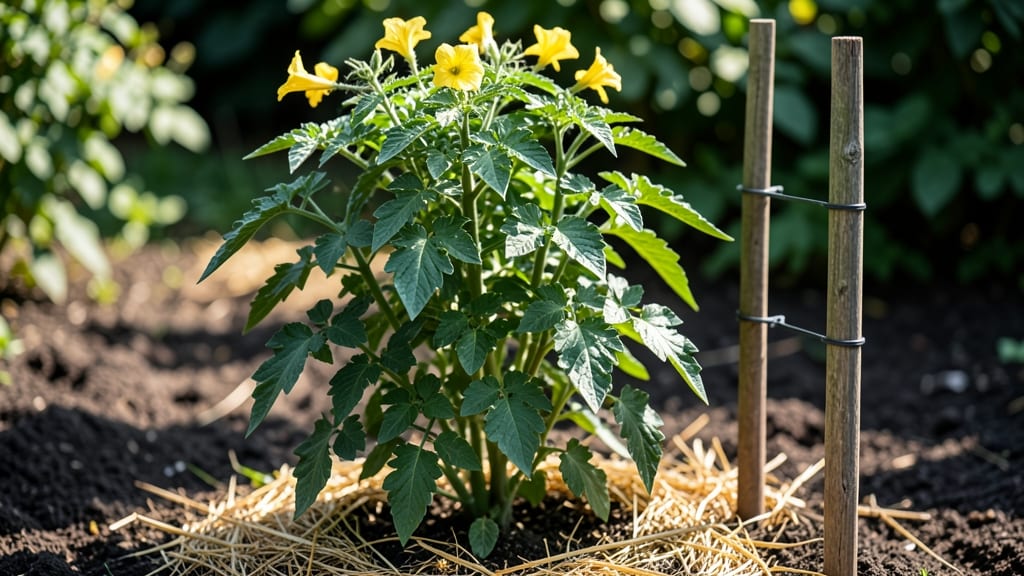
The Bush Champion tomato plant delivers all the flavor of heirloom varieties without the sprawling vines. 🌱 I’ve grown this compact wonder in pots and small gardens for years—it’s the perfect solution when space is tight but big harvests matter.
Determinate plants like this one grow in neat bushes (3–4 feet tall), producing ripe tomatoes in waves over 4–6 weeks. You’ll get 20–30 pounds per plant in a fraction of the footprint of indeterminate varieties, and the plants resist cracking better too.
Start with well-draining soil and full sun (6+ hours daily). Water consistently at the base to avoid blossom-end rot, and pinch off suckers to keep energy focused on fruit. The first harvest arrives in 60–70 days, and you’ll keep picking until frost.
Great for containers, raised beds, or small plots. This variety proves you don’t need acres to enjoy garden-fresh tomatoes—just patience and the right approach.
📚 In This Guide
- What you need
- Instructions
- Tips and common mistakes
- Wrapping up and next steps
What you need
- ● Bush Champion tomato seeds or seedlings: 1–3 plants (depending on space and yield goals). Look for determinate varieties labeled as "bush" or "compact."
- ● Containers or garden bed: Containers: 5-gallon pots or larger (minimum 12" deep and 12" wide per plant). Use fabric pots or plastic with drainage holes.
- ● Garden bed: Well-draining soil in a sunny spot (6+ hours of sunlight daily). Space plants 18–24" apart.
- ● High-quality potting mix: 1–2 bags (sterile, well-draining mix with compost or aged manure). Avoid garden soil unless amended.
- ● Tomato cages or stakes: 3–4 ft tall (lightweight but sturdy). Bush varieties need minimal support but benefit from a little help!
- ● Balanced fertilizer: 10-10-10 or 5-5-5 (organic options like fish emulsion or compost tea work too). Start with 1 tbsp per plant.
- ○ Mulch: Straw, shredded leaves, or black plastic (optional but helps retain moisture and suppress weeds).
- ● Drip irrigation or soaker hose: For consistent watering (especially in containers).
- ● Pruning shears: Small, sharp pair for trimming suckers or dead leaves.
- ● Epsom salt: 1 tbsp per plant every 2–3 weeks (boosts magnesium for healthier foliage).
- ● Row covers or shade cloth: For early planting or protection from pests.
- ● pH test kit: To ensure soil pH is between 6.0–6.8 (tomatoes love slightly acidic soil!).
Step-by-step guide to growing Bush Champion tomatoes
This compact powerhouse delivers full-size tomatoes in minimal space—here’s how to coax its best performance.
🌱 Step 1: Select and Prepare the Perfect Container
Bush Champion thrives in 5-gallon containers with drainage holes—no larger, or roots will circle and choke. I use fabric grow bags because they allow excess moisture to evaporate while still providing sturdy support. Fill each with a mix of 60% high-quality potting soil and 40% compost to ensure nutrient density without compaction.
Tap the container gently after filling to settle the soil, then water thoroughly until moisture runs freely from the drainage holes. This pre-watering prevents air pockets that could stunt root development. The soil should feel like a wrung-out sponge—damp but not soggy. Place your containers where they won’t be disturbed, as these plants dislike root disturbance once established.
☀️ Step 2: Plant and Provide Optimal Light Conditions
Set your Bush Champion plant in its container so the top of the root ball sits ½ inch below the rim. This prevents soil from spilling out as the plant matures. Gently press around the edges to eliminate air gaps, then water again to settle the soil. These tomatoes need 6-8 hours of direct sunlight daily, so position them in the sunniest spot available—south-facing windows or under grow lights work best.
If using grow lights, maintain them 6-12 inches above the plant and run them for 14-16 hours daily. You’ll notice leaves reaching toward the light? That’s your cue to raise the lights gradually as the plant grows. Without enough light, stems will stretch and weaken, leading to poor fruit set.
💧 Step 3: Water Deeply and Maintain Consistent Moisture
Water Bush Champion tomatoes at the base, avoiding the leaves to prevent disease. Aim for 1-1.5 gallons per plant weekly, adjusting based on temperature—hotter weather means more frequent watering. The key is consistency: let the top 1-2 inches of soil dry out between waterings. You’ll know it’s time when the soil feels dry to the touch at that depth.
Mulch with 2-3 inches of straw or shredded leaves to retain moisture and regulate soil temperature. This step is critical—fluctuating moisture levels cause blossom-end rot, a common issue with tomatoes. I check moisture daily during heatwaves, as even slight dryness can stress the plant and reduce fruit quality.
✂️ Step 4: Prune and Support for Maximum Yield
Bush Champion doesn’t need heavy pruning, but removing suckers (side shoots) encourages stronger fruit production. Pinch off any growth that appears in the leaf axils (where leaves meet stems) when it’s still small—about 1 inch long. This redirects energy to the main stem and fruit clusters. You’ll see fewer but larger, healthier tomatoes as a result.
Use a small cage or stakes to support the plant as it matures. Bush Champion stays compact (typically 3-4 feet tall), but heavy fruit can cause stems to sag. Secure the plant loosely—tight ties can restrict growth. Harvest regularly to encourage continuous production, and always pick fruit when it’s fully colored but still firm.
🌿 Step 5: Fertilize and Monitor for Pests
Feed your Bush Champion tomatoes every 2-3 weeks with a balanced, water-soluble fertilizer (like 10-10-10) diluted to half strength. Over-fertilizing leads to excessive leafy growth at the expense of fruit. I switch to a low-nitrogen, high-phosphorus formula (like 5-10-10) when flowers appear to boost fruit development.
Watch for common pests like aphids or hornworms—these can defoliate a plant quickly. I spray affected areas with neem oil or introduce beneficial insects like ladybugs. Yellowing leaves often signal overwatering or nutrient deficiency, while brown spots on fruit indicate blossom-end rot. Adjust care based on what you observe, and your Bush Champion will reward you with prolific, flavorful harvests all season.
Tips & tricks for growing Bush Champion tomatoes
Here's what nobody tells you about maximizing your compact tomato harvest—these details make all the difference.
Container Selection: Fabric grow bags are my go-to because they prevent root circling that plagues traditional pots. If using rigid containers, drill extra drainage holes—the roots need oxygen as much as water. I've seen plants in poorly drained containers develop root rot within weeks, so don't skip this step. The 5-gallon size is perfect for Bush Champion's root system, providing just enough space without encouraging sprawl.
Light Optimization: Those 6-8 hours of sunlight are non-negotiable, but the quality matters more than you'd think. Position plants where they receive morning sun (cooler) and afternoon shade if your climate gets scorching. For indoor growers, LED lights with a full spectrum (especially red and blue wavelengths) work better than basic bulbs. I've noticed plants under standard white bulbs develop leggy stems and fewer flowers—something about the light spectrum triggering photosynthesis differently.
Pruning Strategy: When removing those 1-inch suckers in Step 4, don't just yank them off—use clean pruning shears to avoid tearing the stem. The goal is to maintain the plant's natural shape while encouraging upward growth. I've found that plants with too many suckers left on produce smaller fruit and more leaves, which can actually shade the tomatoes and reduce quality. Think of it as redirecting the plant's energy from baby stems to fruit development.
Fertilizer Timing: The switch to 5-10-10 when flowers appear is crucial—this high-phosphorus formula helps develop strong roots and fruit. But here's the trick I learned: reduce fertilizer applications to every 3-4 weeks once fruiting begins. Too much nitrogen late in the season leads to lush foliage but fewer tomatoes. I've seen plants with beautiful green leaves but only 2-3 tomatoes when they should have had 20!
Pro Tips for Bush Champion Tomato Plant
- Here's what nobody tells you about maximizing your compact tomato harvest—these details make all the difference.
- Container Selection: Fabric grow bags are my go-to because they prevent root circling that plagues traditional pots.
- Light Optimization: Those 6-8 hours of sunlight are non-negotiable, but the quality matters more than you'd think.
Frequently asked questions
Got questions about growing the Bush Champion tomato plant? You’re not alone! This compact, high-yielding variety is perfect for small gardens, containers, and even balconies—but it’s natural to have a few doubts before diving in. Below, we’ve answered the most common queries to help you grow like a pro.
How much space does a Bush Champion tomato plant need?
A Bush Champion is a true space-saver! These determinate plants typically grow 3–4 feet tall and spread 2–3 feet wide, making them ideal for 5-gallon containers, raised beds, or small garden plots. Just ensure they get 6+ hours of sunlight daily and a sturdy cage or stake for support as they bear fruit.
When is the best time to plant Bush Champion tomatoes?
Timing is key! Start seeds 6–8 weeks before your last frost date indoors (or buy transplants). Once soil temps hit 55°F+, transplant outdoors after all frost risk has passed. For container growing, wait until nighttime temps stay above 50°F to avoid chilly shock.
How do I maximize yield from a Bush Champion plant?
Prune suckers (shoots in leaf axils) to focus energy on fruit production, but leave 3–4 main stems for airflow. Water consistently at the base (avoid wetting leaves to prevent disease) and fertilize with balanced tomato food every 2–3 weeks. Deadhead spent blooms to encourage more flowers—and harvest regularly to keep the plant productive!
What are common pests/diseases, and how do I prevent them?
Watch for hornworms, aphids, and whiteflies—handpick pests or use neem oil. For diseases like blight or early blight, space plants for airflow, avoid overhead watering, and rotate crops yearly. Mulch with straw to deter soil-borne issues and boost soil health.
Can I grow Bush Champion tomatoes in containers? If so, what’s the best setup?
Use a 5-gallon container or larger with drainage holes and fill with well-draining potting mix. Add a time-release fertilizer and a cage or trellis for support. Place containers in full sun and water deeply when the top inch of soil dries. Pro tip: Mix in compost at planting for extra nutrients!
Wrapping up and next steps
Growing a Bush Champion tomato plant is a game-changer for small gardens, balconies, or even containers—proving you don’t need a sprawling plot to enjoy homegrown tomatoes! 🌱 With its compact size, disease resistance, and prolific fruit production, this variety makes gardening effortlessly rewarding.
Whether you’re a beginner or a seasoned green thumb, this plant delivers delicious, juicy tomatoes with minimal space and fuss.
Ready to take the next step? Start by choosing your spot—sunny, well-drained soil is key—and plant your Bush Champion seeds or seedlings this season. Before you know it, you’ll be harvesting tomatoes straight from your tiny patch of paradise. Happy growing! 🍅✨