
Plants
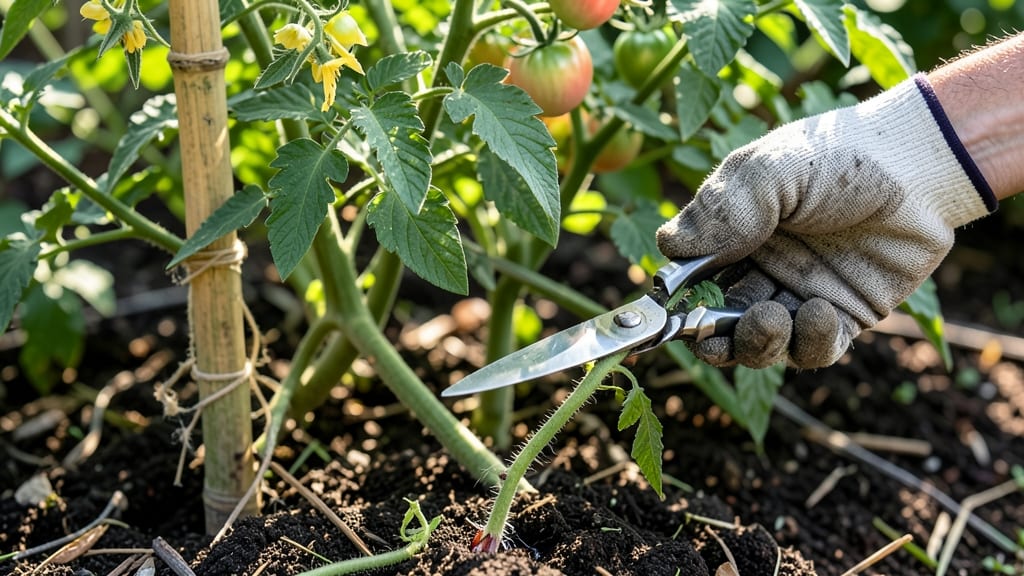
Yes, tomato plants can be topped to focus their energy on producing larger, healthier fruit instead of excessive foliage. For indeterminate varieties, trim the top growth just above a leaf cluster when plants reach 4-6 feet, using sterilized pruners to prevent disease.
Topping tomato plants works by redirecting the plant's natural growth hormones away from leaf production and toward fruit development. 🌱 Indeterminate varieties—like cherry or beefsteak tomatoes—benefit most from this technique since they grow continuously, while determinate types (like Roma) typically stop growing after flowering.
The key is timing: wait until the plant has established a strong framework before pruning, usually when it reaches 4-6 feet tall. Sterilizing your pruners with rubbing alcohol prevents bacterial infections that could harm your plant.
This method isn't just about size—it also improves air circulation, reducing the risk of fungal diseases like blight. I've found that topping in the morning gives plants time to recover before evening moisture sets in.
For hot climates, you might need to prune more aggressively, while cooler regions can wait until late summer. Always leave at least 6-8 leaves below your cut to maintain photosynthesis.
💡 In This Article
- How Topping Tomato Plants Boosts Fruit Growth
- Step-by-Step Guide to Safely Topping Tomato Plants
How topping tomato plants boosts fruit growth
The science behind topping tomato plants lies in their natural growth hormones, particularly auxin, which controls cell elongation and shoot development. When you remove the top growth, you're essentially interrupting the plant's upward momentum, causing auxin levels to drop in the terminal bud.
This hormonal shift triggers lateral buds to wake up and produce more flowers, redirecting the plant's energy from leafy growth to fruit production. 🌿 Indeterminate varieties like 'Sungold' cherry tomatoes or 'Brandywine' beefsteaks thrive with this technique because their continuous growth habit creates an endless supply of new shoots that can be pruned back.
This process also improves photosynthesis efficiency by reducing the plant's overall leaf canopy. A well-topped tomato plant with fewer leaves can allocate more sunlight and nutrients to developing fruit rather than maintaining excessive foliage.
Studies show that properly pruned indeterminate plants can produce 20-30% more fruit by weight compared to unpruned counterparts, with each tomato growing larger due to concentrated resources. The key is balance—removing too much growth stresses the plant, while too little fails to stimulate sufficient flowering.
Determinate varieties like 'Roma' or 'Celebrity' tomatoes rarely need topping because they grow to a fixed height and set fruit all at once. Their bushy growth habit naturally limits vertical expansion, making them less responsive to pruning.
However, you can still give them a light trim to improve air circulation and reduce disease risk. The difference comes down to growth patterns: indeterminate plants grow like vines, while determinates grow like shrubs, each requiring different pruning approaches for optimal yield. 🍅
Timing matters too—topping works best when the plant has already established a strong stem framework, typically 4-6 weeks after transplanting or when it reaches 4-6 feet tall. At this stage, the plant has developed enough leaves to support photosynthesis while still having the energy reserves to respond to pruning.
Pruning too early can stunt growth, while waiting too long may result in fewer flowers and smaller fruit. The goal is to catch the plant in its prime growth phase when it's ready to shift gears from vegetative to reproductive mode.
Another critical factor is the leaf-to-fruit ratio. A properly topped plant maintains about 6-8 leaves below each pruning cut to ensure sufficient photosynthesis for fruit development. Each leaf acts like a tiny solar panel, converting sunlight into energy that fuels both the plant's structure and its fruit.
Removing too many leaves can leave the plant energy-depleted, while leaving too many creates shade and increases humidity—perfect conditions for fungal diseases like early blight. The sweet spot balances productivity with plant health.
Consider the climate too. In hot, dry regions, plants may need more aggressive pruning to prevent sunburn on exposed fruit, while cooler climates can afford a gentler approach.
The right technique depends on your local growing conditions and the specific tomato variety you're cultivating. 🌡️ Understanding these factors helps you tailor your pruning strategy for maximum success.