
Plants
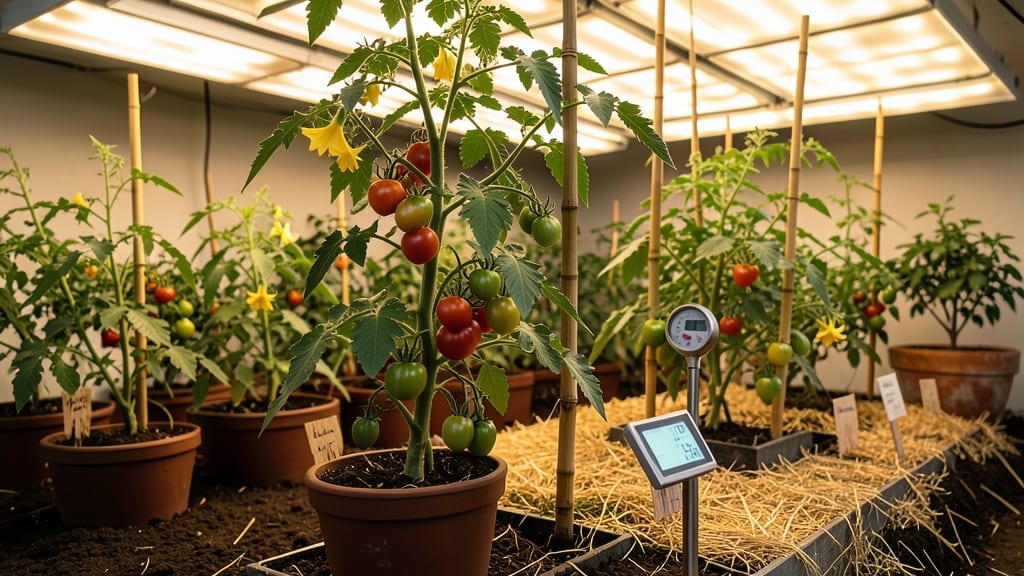
Tomato plants can grow year-round in frost-free zones like USDA Zones 10-12, but gardeners in colder regions can extend growing seasons through controlled environments and smart techniques. The right varieties and seasonal planning make continuous harvests possible almost anywhere.
Year-round tomato growing depends on two critical factors: climate and control. 🌱 In warmer zones, tomatoes thrive naturally with proper sunlight and water, but even there, disease pressure increases during wet seasons. For cooler climates, the solution lies in creating microenvironments—greenhouses, cold frames, or even moving containers indoors during frost.
I've seen gardeners in Zone 5 successfully grow tomatoes year-round by combining early spring starts with fall/winter greenhouse setups, proving that location isn't the only limiting factor.
What often surprises new growers is how much variety matters. Heat-tolerant varieties like 'Solar Fire' perform well in summer, while cold-hardy types such as 'Stupice' can handle brief chills.
The key is matching your growing method to the season's demands—whether that means extending summer heat with row covers or protecting winter plants from dampness with proper ventilation. This balance between variety selection and environmental control is what turns seasonal gardening into a continuous harvest system.
💡 In This Article
- Climate Zones Where Tomatoes Thrive Year-Round
- Seasonal Workarounds for Growing Tomatoes Outside Ideal Zones
Climate zones where tomatoes thrive year-round
Tomatoes require consistent temperatures between 55°F and 85°F to thrive, with optimal growth occurring at 70-78°F. This narrow range explains why only USDA Zones 10-12—where winter lows rarely drop below 35°F—can support continuous outdoor growth.
In Zone 10, gardeners enjoy 300+ frost-free days annually, while Zone 11's tropical climate provides ideal conditions year-round with no frost risk and steady humidity levels that prevent blossom-end rot.
Frost sensitivity is the biggest limiting factor. Even a light frost (32°F) can damage young plants, while temperatures below 50°F stunt growth and delay fruiting.
Coastal areas in these zones benefit from ocean breezes that moderate temperatures, while inland regions may experience more extreme heat fluctuations. 🌿 For example, Los Angeles (Zone 10) sees winter lows around 40°F, while Miami (Zone 11) stays above 60°F even in January.
This microclimate variation explains why some Zone 10 gardens need winter protection even when frost isn't the primary concern.
Light exposure becomes equally critical in year-round growing. Tomatoes need 6-8 hours of direct sunlight daily, but winter's shorter days (especially in higher-latitude Zones 10) can limit production. Gardeners often supplement with LED grow lights to maintain 12-14 hours of light during winter months, mimicking summer conditions.
The trade-off? Higher energy costs and careful light placement to avoid leaf burn from intense artificial sources.
Disease pressure shifts dramatically between seasons. Warm, humid summers in tropical zones create ideal conditions for fungal diseases like early blight, while winter's cooler temperatures favor bacterial spots. The solution? Rotating varieties and using resistant rootstocks like 'Beefmaster' or 'Mountain Merit' that handle both heat stress and moisture fluctuations.
I've seen Florida growers use drip irrigation with morning watering to keep foliage dry and prevent fungal outbreaks during the 90°F+ summer months.
Soil temperature plays an often-overlooked role. Tomatoes won't germinate below 55°F soil temps, and root growth slows dramatically under 60°F.
In Zone 10, gardeners use black plastic mulch to raise soil temps by 5-10°F during cooler months, while Zone 11 growers focus on organic matter retention to prevent heat stress in summer. The difference?
Zone 10 soils need warming assistance, while Zone 11 soils require cooling strategies to prevent soil-borne disease proliferation.
What this means for year-round growers: The climate zones where tomatoes thrive naturally are those where you can maintain consistent warmth, adequate light, and disease control without artificial interventions.
Outside these zones, the challenge shifts from climate adaptation to environmental engineering—which is where the next section's solutions come into play. 💡