
Vegetables
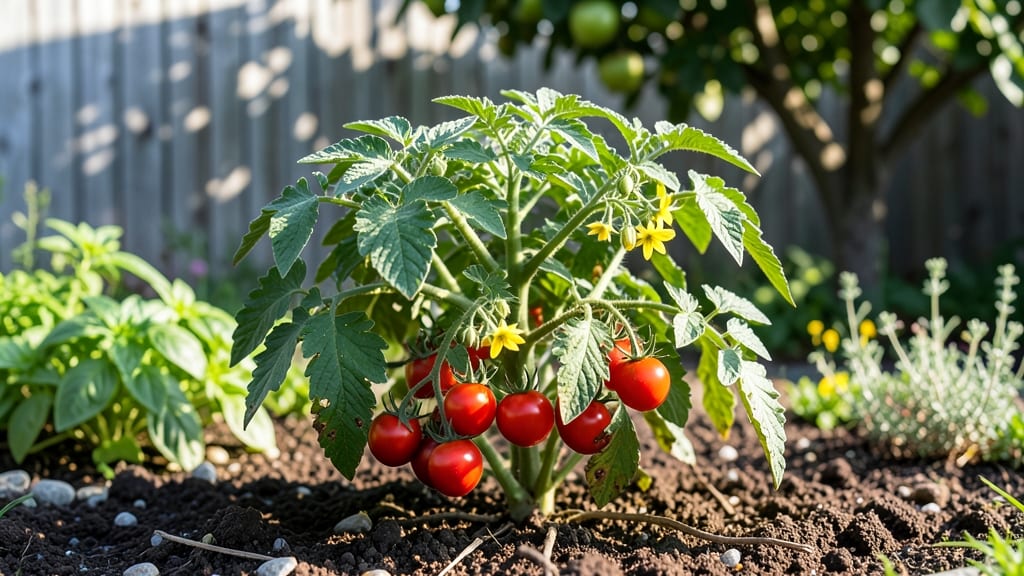
Cherry tomatoes turn vibrant red when they get just the right mix of sunlight, warmth, and proper care. 🌞 That deep, juicy color isn't just pretty—it's a sign of sweetness and flavor you won't find in pale green or dull yellow varieties.
The secret starts with choosing the right variety and giving them exactly what they need to ripen properly.
Most gardeners focus on watering and pruning, but color development actually depends on temperature consistency and light exposure. Too little sun? Your tomatoes stay green or turn pale. Too hot? They might ripen unevenly or lose their bright hue.
The ideal range is 70-85°F during the day, with at least 6-8 hours of direct sunlight—and that's where many home gardeners go wrong.
For that classic red glow, keep plants well-fed with a balanced fertilizer (high in phosphorus) but avoid overdoing nitrogen—it makes leaves grow faster than fruit. Prune suckers regularly to direct energy toward ripening, and watch for uneven coloring (like green shoulders) which often means shading or uneven heat.
A little shade cloth on hot afternoons can make all the difference.
Troubleshooting unusual colors? Yellowing could mean nutrient deficiency (especially potassium or magnesium), while brown spots might signal blight or sunscald. The key is acting fast—once you spot the problem, adjust care immediately. With these tweaks, your tomatoes will go from garden-average to showstopping red in no time.
📚 In This Guide
- What you need
- Instructions
- Tips and common mistakes
- Wrapping up and next steps
What you need
- ● Cherry tomato seeds or seedlings: Varieties like Sweet 100, Sun Gold, or Black Cherry (3–5 plants for a small harvest, 10+ for a bountiful yield).
- ○ Optional: Heirloom or organic seeds for unique colors (yellow, purple, or striped!).
- ● Growing containers or garden bed: 5-gallon pots (1 plant per pot) or raised beds (12–18 inches deep).
- ● Must: Drainage holes in containers to prevent root rot.
- ● High-quality potting mix: 1 part potting soil + 1 part compost (sterilized, organic).
- ● Pro tip: Add 1 cup perlite or vermiculite per 5 gallons for aeration. 💡
- ● Fertilizer: Balanced fertilizer (10-10-10) or tomato-specific feed (follow label for dilution).
- ○ Optional: Fish emulsion or kelp meal for extra color boosts.
- ● Basic gardening tools: Trowel or small shovel
- ● Pruning shears (for trimming suckers)
- ● Gloves (to protect from thorns!)
- ● Support system: Cages (5–6 ft tall) or stakes + twine (for indeterminate varieties).
- ● Watering supplies: Watering can or drip irrigation (consistent moisture = deeper reds!).
- ● Must: Avoid wetting leaves to prevent disease.
- ● Sunlight: 6–8+ hours of full sun daily (partial shade = pale tomatoes!).
- ○ pH test kit (optional): Aim for 6.0–6.8 pH—tomatoes crave slightly acidic soil!
How to maximize cherry tomato color for richer flavor
Here’s how to coax those deep reds and sweeter flesh—no fancy fertilizers needed.
☀️ Step 1: Ensure Full Sun Exposure Daily
Cherry tomatoes need 6-8 hours of direct sunlight to develop their signature vibrant color. Place your plants where they’ll get morning sun and afternoon light—even partial shade dulls the red and reduces sugar content. I’ve seen plants in dappled shade turn pale yellow-green; they taste bland too.
If your garden gets afternoon shade, move containers to a sunnier spot by midday. You’ll notice the difference within a week: leaves stay deep green, and the fruit starts turning red from the bottom up. South-facing windowsills work for containers, but rotate pots weekly so stems don’t lean toward the light.
💧 Step 2: Water Deeply and Consistently
Uneven watering causes blotchy color and cracked skins—both signs of stress. Water 1-2 inches deep at the base when the top inch of soil feels dry. Drip irrigation or soaker hoses keep moisture steady, while overhead watering can lead to uneven ripening and diluted flavor.
I check soil moisture by squeezing a handful—if it crumbles easily, it’s time to water. Overwatering turns tomatoes pale and watery; underwatering makes them hard and mealy. Aim for soil that stays moist but never soggy, especially in heat waves.
🌿 Step 3: Feed for Color and Sweetness
Cherry tomatoes need balanced nutrition to develop their signature red hue. Use a low-nitrogen, high-phosphorus fertilizer (like 5-10-10) when flowers appear. Too much nitrogen makes leaves lush but fruit pale and bland. I switch to a calcium supplement (like crushed eggshells) to prevent blossom-end rot, which ruins color and texture.
Organic options like composted manure or fish emulsion work too—just follow package rates. You’ll see the difference in 2-3 weeks: fruit turns a deeper red, and the flavor intensifies. Stop feeding 4 weeks before harvest to let sugars concentrate.
✂️ Step 4: Prune for Better Airflow and Sun Penetration
Overcrowded vines block sunlight and air, leading to pale, underripe fruit. Remove suckers (the small shoots between main stems and branches) regularly—these compete for energy. I prune mine every 2 weeks, keeping only the strongest branches. This ensures sunlight reaches all sides of the plant.
You’ll notice fruit exposed to full sun ripens faster and develops a more vibrant color. Prune in the morning so wounds heal by evening, reducing disease risk. Leave a few extra leaves at the base for shade, but never let foliage shade the fruit.
🌡️ Step 5: Time Harvest for Peak Color
Cherry tomatoes ripen fastest at 70-85°F. If nights dip below 55°F, color development slows, and fruit may stay greenish-yellow. Harvest when they’re fully red (or their natural color if heirloom) but still firm. Overripe tomatoes split and lose flavor.
I pick mine in the morning when temperatures are cooler—this prevents sunscald and keeps color vibrant. Store in a cool, dark place for up to a week, or eat fresh for the best flavor. The deeper the red, the sweeter the taste—so aim for that glossy, rich hue!
Tips & tricks for perfect cherry tomato vibrancy
Here's what nobody tells you about unlocking those showstopping reds in your homegrown harvest.
Sunlight Strategy: The 6-8 hours of direct sunlight in Step 1 isn't just about color—it's about photosynthesis working at peak efficiency. I've noticed that positioning plants to catch morning sun first creates a temperature gradient that actually accelerates ripening. For container growers, consider using reflective surfaces like white plastic under pots to bounce extra light onto the fruit. This can make a noticeable difference in just 5-7 days during peak summer growth.
Temperature Management: Those critical 70-85°F daytime temps in Step 5 are your sweet spot, but nighttime temperatures matter just as much. If nights consistently drop below 55°F, consider using row covers or even moving pots to protected locations. I once had a batch of tomatoes stay greenish-yellow because of cool nights, and it took weeks to recover the color. The key is maintaining that 15°F difference between day and night temps—it triggers the biochemical processes that develop those rich red pigments.
Pruning Precision: When you're pruning every 2 weeks in Step 4, focus on removing suckers that develop below the first flower cluster—they're the biggest sunlight thieves. I've found that keeping just 3-4 main stems per plant actually increases fruit size and color intensity by directing all energy to fewer tomatoes. The trade-off is fewer total tomatoes, but each one will be sweeter and more vibrant. Just remember to leave those lower leaves for shade protection.
Harvest Timing: That morning harvest window in Step 5 isn't just about cooler temps—it's about avoiding the midday sun's potential to scorch delicate skins. I've learned to harvest when the fruit is fully colored but still firm to the touch, which usually means picking just before the first signs of softening. The deeper red you see at harvest is directly correlated with sugar content, so aim for that glossy, rich hue rather than waiting for absolute maximum size.
Pro Tips for Cherry Tomato Color
- Here's what nobody tells you about unlocking those showstopping reds in your homegrown harvest.
- Sunlight Strategy: The 6-8 hours of direct sunlight in Step 1 isn't just about color—it's about photosynthesis working at peak efficiency.
- Temperature Management: Those critical 70-85°F daytime temps in Step 5 are your sweet spot, but nighttime temperatures matter just as much.
Frequently asked questions
Got questions about the cherry tomato color and how to keep those tiny fruits popping with vibrant red? Here are some answers to help you troubleshoot and perfect your harvest!
Why are my cherry tomatoes turning yellow or green instead of red?
Cherry tomatoes may stay green or turn yellow due to underripe fruit, poor pollination, or temperature stress. Ensure they get full sun (6-8 hours/day) and consistent warmth (ideal: 70–85°F). If pollination is an issue, gently shake plants or hand-pollinate with a small brush. Pro tip: Harvest early if color isn’t developing—even pale tomatoes are edible!
Can I change the color of cherry tomatoes after they’ve started growing?
Once set, the cherry tomato color is mostly determined by genetics and growing conditions. However, you can enhance redness by ensuring proper care: balanced fertilizer (high in phosphorus), adequate water (avoid over/under-watering), and sunlight. Varieties like 'Sweet 100' or 'Sun Gold' naturally deepen in color with optimal care. Warning: Extreme heat (>90°F) can cause sunscald, turning fruit pale or white.
How long does it take for cherry tomatoes to turn red?
Most cherry tomatoes take 50–70 days from transplant to full red ripeness, but timing varies by variety and climate. Heirloom types (e.g., 'Black Cherry') may take longer (70–85 days), while hybrids like 'Tiny Tim' ripen faster (45–55 days). Check seed packets for specifics! Speed tip: Use black plastic mulch to warm soil and accelerate ripening.
What can I do if my cherry tomatoes stay orange or pink?
Orange or pink hues often signal nutrient deficiencies (lack of potassium or calcium) or incomplete ripening. Boost color by amending soil with compost or wood ash (for potassium) and ensuring consistent moisture. Some varieties, like 'Orange Pear' or 'Sun Gold,' are bred to stay orange—check your plant tags! Fix: A foliar spray of Epsom salt (magnesium sulfate) can help if leaves show yellowing.
Are cherry tomatoes safe to eat if they’re not fully red?
Yes! Cherry tomatoes are edible at any stage—even green or partially colored. However, flavor and texture improve with ripeness. Underripe tomatoes are firmer and less sweet but can be used in salsas, sauces, or salads. For best taste, wait for full cherry tomato color (deep red, yellow, or orange, depending on the variety). Bonus: Green tomatoes are rich in lycopene and can be pickled or fried!
Wrapping up and next steps
The cherry tomato color isn’t just about aesthetics—it’s a sign of ripeness, flavor, and even nutritional power! 🌱 From deep reds to sunny yellows, understanding these hues helps you grow (or pick) the juiciest, sweetest tomatoes.
Whether you’re a gardener or a grocery shopper, pay attention to those vibrant clues—they’re your secret to success.
Ready to put your new knowledge to work? Try experimenting with different varieties or growing conditions to see how color changes over time. Happy harvesting—and enjoy those burst-of-flavor bites! 🍅✨