
Companion Plants
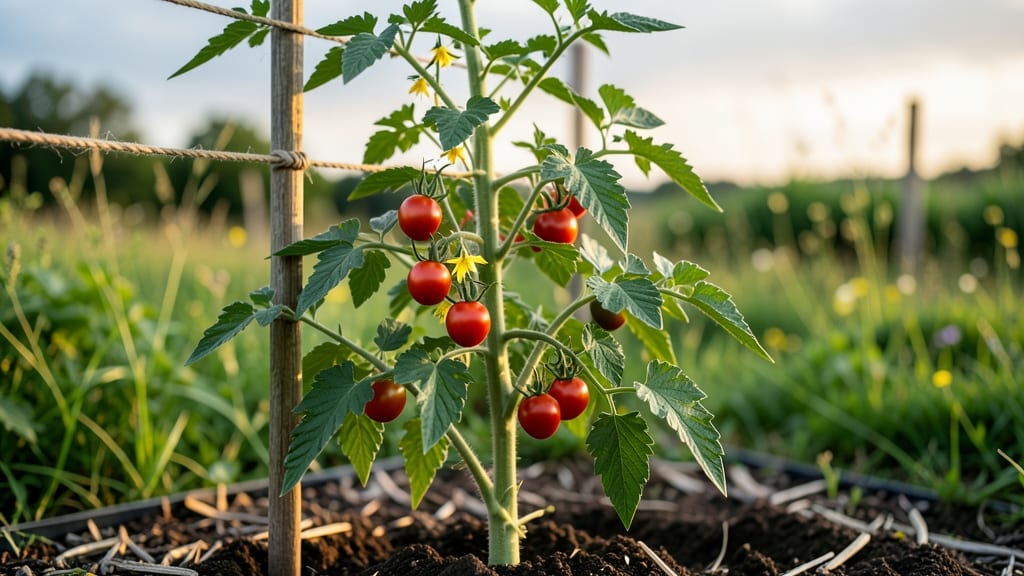
Climbing tomato plants turn small spaces into high-yielding harvests by growing upward instead of sprawling. 🌱 I learned this the hard way after my first garden took over half the yard—now I grow 12 plants in the same space using simple vertical supports.
The secret isn’t just the right varieties (indeterminate types like 'Sungold' or 'Cherokee Purple' keep growing all season) but how you train them to climb efficiently.
You’ll need 6+ hours of direct sun, well-draining soil rich in compost, and sturdy supports like a 5-foot trellis or cattle panel arch. Prune suckers regularly to direct energy upward, and water consistently at the base—never overhead—to prevent disease.
The payoff? Larger, riper fruit with fewer pests reaching the vines, and a garden that fits even tiny patios.
Harvest begins when tomatoes turn their variety’s signature color (deep purple for 'Cherokee Purple', bright orange for 'Sungold'), and you’ll keep picking until frost. The key to continuous fruiting is removing spent clusters and fertilizing lightly every 3 weeks with compost tea.
My plants now produce 2-3 times what they did when sprawling.
Watch for blossom end rot (calcium deficiency) or hornworms (handpick them!)—both are easy to prevent with proper care. This method works in containers, raised beds, or ground plots, and even urban balconies with the right setup. Let’s get those vines climbing!
📚 In This Guide
- What you need
- Instructions
- Tips and common mistakes
- Wrapping up and next steps
What you need
- ● Climbing tomato seeds or seedlings: Indeterminate varieties (e.g., Sungold, Brandywine, or Sweet 100) – 2–4 plants (depending on space).
- ● Support structure: Trellis, tomato cage (5–6 ft tall), or sturdy stakes (6–8 ft).
- ○ Optional: A cattle panel arch or A-frame trellis for a rustic look.
- ● Growing medium: Well-draining potting mix (10–15 gallons per plant) or nutrient-rich garden soil.
- ○ Optional: Compost (1–2 cups per plant) for extra fertility.
- ● Containers (if not in-ground): Fabric grow bags (5–7 gallons each) or 5-gallon buckets with drainage holes.
- ● Pruners or sharp scissors (for trimming suckers).
- ● Garden twine or soft ties (to secure vines to the trellis).
- ● Watering can or hose with a gentle spray nozzle.
- ● Balanced fertilizer (e.g., 10-10-10 or 5-10-10) – 1 tbsp per plant every 2–3 weeks.
- ○ Optional (but helpful!): Mulch (straw or shredded leaves) to retain moisture.
- ● Plant clips or Velcro ties for easy vine attachment.
- ● Shade cloth (if growing in hot climates).
Step-by-Step guide to growing climbing tomato plants vertically
Transform your garden into a lush vertical oasis with these proven techniques for training tomatoes upward.
🪴 Step 1: Choose the Right Trellis and Plant Variety
Start with a sturdy trellis designed for tomatoes—look for one that can support 20-30 pounds per plant as fruits mature. I recommend wooden A-frames or sturdy cages for heavy varieties like 'Sungold' or 'Cherokee Purple'. Avoid flimsy plastic options that will sag under weight. The trellis should be at least 6-8 feet tall to accommodate indeterminate varieties that keep growing all season.
Select indeterminate tomato varieties specifically bred for climbing. These plants produce fruit continuously until frost, making them perfect for vertical gardens. Plant 4-6 seeds per pot initially, then thin to the strongest seedling once true leaves appear. This ensures you have a vigorous plant capable of supporting its own weight as it grows.
☀️ Step 2: Position for Maximum Sunlight and Airflow
Climbing tomatoes need full sun exposure—at least 6-8 hours daily—to produce heavy yields. Place your trellis in the sunnest spot of your garden, ideally facing south. If you're growing in containers, use a wheelbarrow or raised bed for easy rotation to ensure even sun exposure on all sides.
Space plants 18-24 inches apart to allow for proper airflow, which prevents fungal diseases like blight. Good airflow also helps the vines grip the trellis more securely. I like to add a small fan on low setting near the base for the first few weeks—this toughens the plants and reduces the risk of mold.
🌱 Step 3: Train Vines Properly for Strong Growth
When your tomato plant reaches 12-18 inches tall, gently tie the main stem to the trellis using soft plant ties or old T-shirts (never wire or anything that can cut into the stem). Secure it loosely—you want to guide growth, not restrict it. As the plant grows, tie every 6-12 inches to keep it upright.
Here's the thing—you'll need to prune suckers (the small shoots that form in the leaf axils) to encourage upward growth. Remove them when they're no larger than a pencil to redirect energy to fruit production. This step takes patience, but it's what transforms a sprawling mess into a structured, high-yielding climber.
💧 Step 4: Water and Fertilize for Optimal Vertical Growth
Water climbing tomatoes deeply at the base every 2-3 days during dry spells, ensuring the soil stays consistently moist but not soggy. Overhead watering can weaken stems and encourage disease, so use a soaker hose or drip irrigation instead. I water in the early morning to allow foliage to dry before evening, reducing fungal risks.
Feed plants with a balanced liquid fertilizer (10-10-10) every 2-3 weeks once flowers appear. Look for calcium-rich supplements like crushed eggshells or calcium nitrate to prevent blossom-end rot. Climbing tomatoes are heavy feeders—don't skimp on nutrients if you want those juicy, vine-ripened fruits hanging at eye level.
✂️ Step 5: Harvest and Maintain Through the Season
Harvest tomatoes when they're fully colored and slightly soft to the touch. For heirlooms, this might mean waiting until they're deep red or purple, while cherry varieties are ready when they're bright and plump. Pinch off any remaining suckers as new growth appears—this keeps the plant focused on fruit production rather than leafy growth.
As the season progresses, prune lower leaves that touch the ground to improve airflow and reduce disease. If your trellis sags under the weight, add support stakes or reinforce the structure. With proper care, your climbing tomatoes will produce pounds of fruit in the same space as traditional bush varieties—plus, you'll avoid the back-breaking work of staking!
Tips & tricks for perfect vertical tomato growth
Here's what nobody tells you—these small details make all the difference between a struggling vine and a thriving vertical garden.
Trellis Stability: In Step 1, when selecting your trellis, consider burying the base 6 inches deep in the soil for added stability—especially if you're growing in windy areas. I've seen sturdy wooden A-frames topple when planted too shallowly. For extra insurance, add cross-bracing between the vertical supports if your trellis doesn't have built-in stability features. This prevents the entire structure from leaning or collapsing under the weight of mature fruit.
Sunlight Optimization: The 6-8 hours of daily sunlight mentioned in Step 2 is non-negotiable, but here's the thing—morning sun is more critical than afternoon. Position your trellis to receive direct morning sunlight first, as this helps prevent fungal diseases that thrive in evening moisture. If your garden has afternoon shade, consider using a reflective surface like white plastic sheeting on the north side to bounce extra light onto your plants during those crucial afternoon hours.
Pruning Strategy: When pruning suckers in Step 3, focus on removing them at the base where they meet the main stem rather than just snipping the top. This prevents new suckers from regrowing from the same spot. I use clean, sharp pruning shears and dip them in rubbing alcohol between cuts to prevent spreading disease. For large plants, I prune every 7-10 days rather than waiting for them to grow pencil-sized—this keeps the plant more manageable and encourages better fruit set.
Watering Technique: The 2-3 day watering schedule in Step 4 works well, but here's a pro move: water only when the top 2 inches of soil feel completely dry. Stick your finger in the soil—if it's damp, wait another day. Overwatering is a silent killer of vertical tomatoes because it weakens stems that need to support heavy fruit loads. I've found that mulching around the base with straw or wood chips helps maintain consistent moisture while preventing soil-borne diseases from splashing onto the leaves.
Pro Tips for Climbing Tomato Plants
- Here's what nobody tells you—these small details make all the difference between a struggling vine and a thriving vertical garden.
- Trellis Stability: In Step 1, when selecting your trellis, consider burying the base 6 inches deep in the soil for added stability—especially if you're growing in windy areas.
- Sunlight Optimization: The 6-8 hours of daily sunlight mentioned in Step 2 is non-negotiable, but here's the thing—morning sun is more critical than afternoon.
Frequently asked questions
Got questions about climbing tomato plants? You’re not alone!
Here are answers to the most common queries—from setup to troubleshooting—to help you grow like a pro.
What’s the best way to train a tomato plant to climb?
Use a sturdy trellis, cage, or stakes (like bamboo or metal) to support your plant. Gently tie the main stem to the support with soft plant ties or old T-shirts every 12–18 inches. Prune suckers (side shoots) to encourage upward growth. Pro tip: Avoid tight ties that can damage stems as the plant grows!
How long does it take for climbing tomatoes to produce fruit?
Most climbing tomato varieties take 70–90 days from transplanting to harvest, depending on the cultivar and climate. Early-season varieties (like ‘Early Girl’) may fruit sooner, while heirlooms (like ‘Brandywine’) take longer. Start seeds indoors 6–8 weeks before your last frost for a head start.
Can I grow climbing tomatoes in containers or small spaces?
Choose determinate varieties (like ‘Tiny Tim’ or ‘Patio Princess’) for containers—they’re compact and bushy. Use a 5-gallon pot or larger with well-draining soil and a trellis. For vertical gardens, try wall-mounted pockets or hanging baskets with support. Just ensure they get 6–8 hours of sunlight daily.
Why are my climbing tomato leaves turning yellow or curling?
Yellowing leaves often signal overwatering, underwatering, or nutrient deficiencies (like nitrogen or magnesium). Curling can mean pests (like aphids or spider mites) or heat stress. Check soil moisture, inspect undersides of leaves for pests, and adjust watering. A balanced fertilizer or Epsom salt spray (for magnesium) can help. Pro tip: Mulch to retain moisture and reduce stress!
Do climbing tomatoes need pruning, and how much?
Yes! Prune suckers (shoots between the stem and branches) to improve airflow and fruit size. For indeterminate varieties, prune suckers smaller than a pencil. Remove lower leaves touching the ground to prevent disease. Limit pruning to 20–30% of the plant—don’t overdo it, or you’ll reduce yield.
Can I grow other plants near climbing tomatoes?
Yes! Companion plants like basil, marigolds, or onions deter pests, while beans or lettuce thrive in the shade of tomatoes. Avoid planting brassicas (cabbage family) or corn nearby, as they compete for nutrients. Use vertical space wisely—trailing plants like nasturtiums add color without stealing sunlight.
Wrapping up and next steps
Climbing tomato plants are a game-changer for small gardens, turning limited space into a lush, productive paradise! With the right support, pruning, and companion plants, you’ll enjoy heavier yields, better air circulation, and fewer pests—all while adding vertical charm to your garden. 🌱✨
Ready to take the next step? Start by choosing your favorite climbing variety and setting up your trellis or cage today. Watch your tomatoes thrive—and your neighbors ask for tips! Happy gardening!