
Pests and Diseases
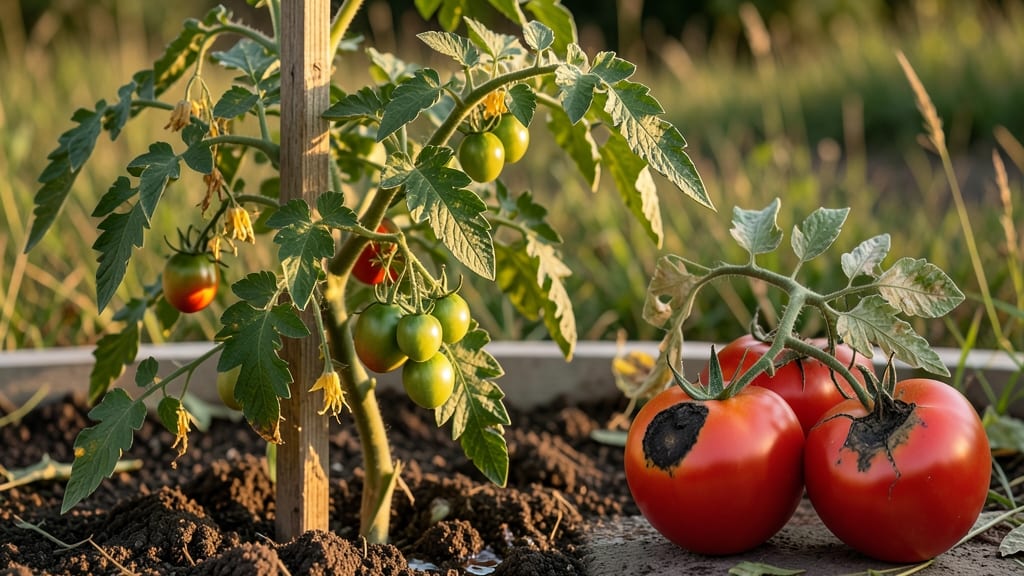
Those dark, sunken spots on your tomatoes are ruining your harvest—and they’re easier to fix than you think. 🌱 Blossom end rot and sun scorch turn perfect fruit into a sad, spotted mess, but the solutions are simple once you know the cause.
I’ve saved dozens of tomatoes from the same problems, and I’ll show you exactly how.
Blossom end rot looks like dark, leathery spots at the fruit’s base, while sun scorch creates pale, dry patches on sun-exposed sides. Both are preventable with consistent watering, proper mulching, and shade cloth for peak sun hours. The key is catching it early—before the spots spread to the whole tomato.
You’ll fix existing spots with calcium sprays (for blossom end rot) and shade cloth (for sun scorch), then keep future fruit flawless with mulch and even moisture.
Within a week, your plants will bounce back, and your next harvest will be spot-free. Here’s how to diagnose and treat it right away.
Works for heirlooms, cherry tomatoes, and even container-grown plants. No more wasted fruit—just healthy, blemish-free tomatoes all season. Let’s get your plants back on track.
Root Causes Behind Tomato Spots
Dark spots on your tomato fruits can be frustrating, but understanding the why behind them is the first step to fixing the problem. These marks often signal underlying issues—whether environmental, physiological, or disease-related.
Below, we break down the most common culprits with clear, science-backed explanations to help you diagnose and address the problem effectively.
Blossom end rot is one of the most recognizable causes of dark, sunken spots on tomatoes. These spots typically appear on the bottom of the fruit (the blossom end) and start as small, water-soaked areas that eventually turn brown or black.
Why it happens:
- Calcium uptake issues: Tomatoes need calcium to develop strong cell walls, especially during rapid growth phases. If the soil lacks available calcium or the plant can’t absorb it efficiently (due to uneven watering, extreme temperatures, or poor soil structure), the fruit can’t form properly. The blossom end, being the oldest part of the fruit, shows symptoms first.
- Watering fluctuations: Inconsistent moisture levels—like drought followed by heavy watering—disrupt calcium absorption. Roots struggle to deliver calcium to the fruit when soil conditions swing wildly.
- Competition for nutrients: Over-fertilizing with nitrogen (especially synthetic fertilizers) can cause a calcium deficiency by promoting excessive foliage growth at the expense of fruit development.
💡 Pro Tip: Test your soil’s pH (ideal: 6.0–6.8) and amend with gypsum (calcium sulfate) or crushed eggshells. Use drip irrigation to maintain steady moisture, and avoid wetting the foliage to prevent disease.
Dark, leathery, or cracked spots on the sun-exposed sides of tomatoes are classic signs of sun scorch. Unlike blossom end rot, these spots are often irregular, dry, and may appear on the fruit’s surface as it matures.
Why it happens:
- Extreme heat exposure: Tomatoes thrive in temperatures between 70–85°F (21–29°C). When exposed to sudden heatwaves (above 90°F/32°C) or intense sunlight, the fruit’s protective waxy coating can overheat, causing cell damage and discoloration.
- Lack of shade or mulch: Direct, prolonged sunlight without protection stresses the fruit. Mulching with straw or using shade cloth can mitigate this.
- Water stress: Plants under water stress (even if soil seems moist) can’t regulate temperature effectively, making them more susceptible to sun damage.
🌡️ Quick Fix: Provide afternoon shade (especially in hot climates) and ensure consistent watering. Use light-colored mulch (like straw) to reflect heat away from the soil and fruit.
Dark, concentric (target-like) spots on the upper leaves or fruit are often a sign of fungal diseases like early blight (Alternaria solani) or Alternaria stem canker. These spots can spread to the fruit, causing sunken, dark lesions.
Why it happens:
- High humidity & poor airflow: Fungi thrive in damp conditions. Overhead watering, dense plantings, or lack of spacing create the perfect environment for spores to germinate and infect leaves or fruit.
- Warm, wet weather: Temperatures between 75–85°F (24–29°C) with frequent rain or morning dew accelerate fungal growth.
- Contaminated soil or tools: Fungal spores can survive in soil or on pruners from previous seasons, reinfecting new plants.
🔥 Prevention Strategy:
- Remove and destroy infected leaves immediately.
- Water at the base of plants (not overhead) and space plants 18–24 inches apart for airflow.
- Apply copper fungicide or a baking soda spray (1 tbsp baking soda + 1 tsp dish soap + 1 gallon water) as a preventive measure.
Uneven, jagged dark spots—or even small holes—on tomatoes can result from physical trauma or pest activity. Unlike fungal or calcium-related spots, these are often mechanical in nature.
Why it happens:
- Hail, wind, or rough handling: Physical damage exposes the fruit to pathogens, leading to dark, irregular spots as the tomato heals.
- Pest feeding: Insects like hornworms, fruitworms, or aphids can chew on tomatoes, leaving dark, discolored marks or entry points for disease.
- Bird pecking: Birds may peck at ripe tomatoes, causing dark, punctured spots.
👨🍳 Action Steps:
- Inspect plants daily for pests and remove them by hand or with neem oil.
- Use row covers to protect young plants from birds and insects.
- Harvest tomatoes gently and avoid bruising during handling.
By identifying the root cause of your tomato’s dark spots, you can take targeted action to save your crop. Whether it’s adjusting your watering routine, providing shade, or treating fungal issues early, each solution addresses the specific stressor behind the problem.
Fixing Dark Spots Naturally
Now that you know what’s causing those pesky dark spots on your tomatoes—whether it’s blossom end rot, sun scorch, fungal infections, or even pests—it’s time to take action! The good news? Most of these issues have simple, organic solutions that won’t break the bank or require fancy tools.
Below, we’ll break down cause-specific fixes and share prevention tips to keep your tomato plants thriving.
Blossom end rot is the most common culprit behind dark, sunken spots on tomatoes. The fix? Calcium and consistent moisture.
🔥 Quick Fixes for Existing Spots
- 🍳 Boost Calcium Levels
- Crushed eggshells: Rinse and dry eggshells, crush them into a fine powder, and sprinkle around the base of plants (or mix into the soil).
Calcium carbonate in eggshells helps prevent rot. - Epsom salt spray: Mix 1 tablespoon of Epsom salt (magnesium sulfate) in 1 gallon of water and spray foliage and soil every 7–10 days.
Magnesium supports calcium absorption. - Compost tea or banana peel tea: Steep banana peels in water for 24 hours, strain, and use as a foliar spray. Bananas are rich in potassium and calcium.
- 👨🍳 Mulch to Retain Moisture
- Apply 2–3 inches of organic mulch (straw, grass clippings, or wood chips) around plants to prevent soil drying and keep roots evenly hydrated.
💡 Prevention Tips for Future Harvests
✅ Water deeply but infrequently—aim for 1–1.5 inches per week, soaking the soil rather than sprinkling. ✅ Avoid overhead watering—wet leaves can encourage fungal issues. ✅ Use a balanced fertilizer (like 5-5-5) every 3–4 weeks to ensure steady nutrient uptake. ✅ Harvest early—if spots appear, pick tomatoes as soon as they ripen to prevent further spread.
Sun scorch causes leathery, dark patches on tomato fruit exposed to intense sunlight. The solution? Shade and hydration.
🥘 Immediate Relief for Scorched Tomatoes
- 🌿 Provide Afternoon Shade
- Use lightweight shade cloth (30–50%) or row covers to protect plants from midday to late afternoon sun (12 PM–4 PM).
- DIY shade hack: Place bamboo stakes or trellis netting above plants to diffuse sunlight.
- 💦 Increase Watering Frequency
- Water early in the morning (before 9 AM) to give plants time to absorb moisture before the heat peaks.
- Mulch heavily to lock in moisture and cool root zones.
🎯 Long-Term Prevention
✨ Choose heat-tolerant varieties like ‘Solar Fire,’ ‘Heatmaster,’ or ‘Cherry Tomato – Sun Gold’ for hot climates. ✨ Train vines upward (using trellises or cages) to keep fruit off the scorching ground. ✨ Reflective mulch: Use white plastic or aluminum foil under plants to bounce back sunlight (works best in extreme heat).
Dark, moldy spots (like early blight or alternaria) need fungal control—but skip the chemicals!
🔪 Natural Fungicide Recipes
- 🍅 Copper Spray (Preventative)
- Mix 1 teaspoon of copper sulfate in 1 gallon of water (or use copper fungicide from garden stores).
Spray every 7–10 days at dawn to avoid leaf burn. - Alternative: Baking soda spray (1 tsp baking soda + 1 tbsp oil + 1 quart water) for mild cases.
- 🌡️ Improve Airflow & Sanitation
- Prune plants to remove crowded leaves (aim for 6–8 inches between branches).
- Rotate crops—don’t plant tomatoes in the same spot next year.
- Remove and destroy infected fruit (don’t compost them!).
💡 Pro Tips for Fungal-Free Tomatoes
🔥 Water at the base—never overhead (wet leaves = fungal paradise). 🔥 Use drip irrigation to keep foliage dry. 🔥 Apply compost tea (rich in beneficial microbes) to outcompete harmful fungi.
If dark spots are from sap-sucking pests (like aphids, spider mites, or fruitworms), physical barriers and traps work best.
🕷️ DIY Pest Control Methods
- 🕸️ Yellow Sticky Traps
- Hang yellow cards coated in petroleum jelly near plants to catch flying pests (whiteflies, aphids).
- 🥬 Neem Oil Spray
- Mix 1 tbsp neem oil + 1 tsp mild soap + 1 quart water.
Spray every 5–7 days to deter soft-bodied insects. - 🍎 Row Covers & Netting - Use fine mesh netting to block fruitworms and beetles from laying eggs.
🎯 Prevention for Pest-Free Plants
✨ Encourage beneficial insects (ladybugs, lacewings) with marigolds or dill as companion plants. ✨ Handpick pests early in the morning when they’re sluggish. ✨ Rotate planting locations to disrupt pest life cycles.
If dark spots appear late in the season, your best bet may be to harvest early and enjoy tomatoes while they’re still good.
For future seasons: - Keep a garden journal to track what worked (and what didn’t). - Test soil pH (aim for 6.0–6.8)—calcium uptake drops in acidic soil. - Start with healthy seedlings from reputable nurseries to avoid disease.
Final Thought: Most dark spots on tomatoes are fixable with patience and organic care—no need for harsh chemicals! By adjusting watering, shading, and nutrition, you’ll be on your way to plump, blemish-free tomatoes in no time. 🍅✨
Frequently asked questions
Why do my tomato fruits get dark spots only at the bottom?
Those bottom spots are classic blossom end rot, caused by calcium deficiency during fruit development. The blossom end (oldest part) shows symptoms first because calcium can't reach it when soil moisture fluctuates or nutrients are unbalanced. Fix it by adding crushed eggshells or using Epsom salt sprays while keeping soil consistently moist.
Can I still eat tomatoes with dark spots?
Yes, but it depends on the cause! Blossom end rot spots are safe to cut off (just remove the dark area), while fungal spots (like early blight) should be trimmed away. Sun-scorched areas are also edible—just avoid the leathery parts. Always wash tomatoes thoroughly before eating.
How do I tell if dark spots are from sun scorch vs. disease?
Sun scorch spots appear on sun-exposed sides of fruit, look dry and leathery, and often happen during heatwaves. Disease spots (like early blight) are usually sunken, concentric circles on leaves or fruit, often with yellow halos. Check the plant's upper leaves first—fungal spots spread upward from there.
Will my tomato plants recover if I fix the problem now?
Existing spots won't disappear, but new fruit will stay spot-free if you act fast! Focus on prevention: mulch heavily, use drip irrigation, and add calcium amendments. For current fruit, harvest early—often the spots won't spread further if you catch them before they ripen completely.
What's the fastest way to boost calcium for blossom end rot?
Try this 24-hour fix: Mix 1 tablespoon Epsom salt with 1 gallon water and spray directly on leaves and soil. For immediate calcium, crush 1 cup eggshells into powder and work into the top 2 inches of soil around plants. Water deeply afterward to activate the nutrients.