
Companion Plants
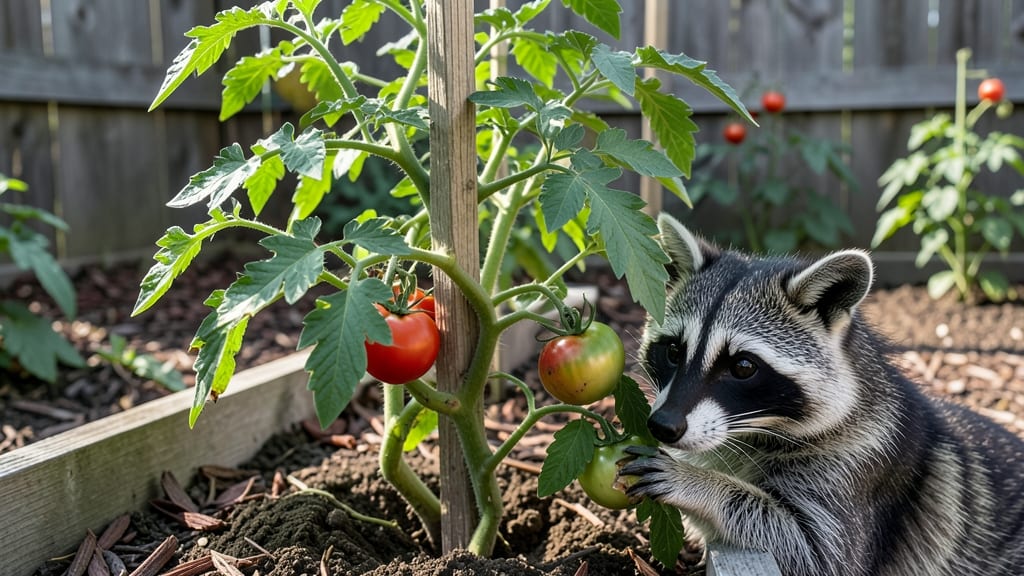
Racoons do eat tomato plants, targeting ripe fruit, leaves, and stems, often leaving behind scattered debris and chewed foliage. Their digging can also uproot seedlings or damage soil structure around plants.
Raccoons are notorious garden bandits, especially when it comes to tomato plants. 🌱 Their sweet tooth for ripe tomatoes makes them a common culprit in ruined harvests, while their nocturnal foraging habits mean you might not even catch them in the act.
The real damage goes beyond just nibbled fruit—raccoons' digging can uproot young plants and compact soil, creating long-term problems for your garden's health. I've seen entire rows of seedlings destroyed overnight by these masked intruders.
What makes this worse is their intelligence—raccoons learn quickly which gardens offer easy access to food. A single raccoon can wreak havoc, but their curiosity often brings more of their kind to the party.
The key to protection lies in understanding their behavior patterns and implementing multi-layered deterrents before they become a regular feature in your garden routine.
💡 In This Article
- How Racoons Damage Tomato Plants and Gardens
- Effective Raccoon-Proofing Strategies for Tomato Gardens
How racoons damage tomato plants and gardens
Raccoons target tomato plants primarily because of their high sugar content, especially in ripe fruit.
The sweet, juicy flesh of tomatoes serves as an irresistible snack for these opportunistic foragers. 🌿 Unlike humans who might leave some fruit intact, raccoons often chew through stems and leaves, creating jagged edges that contrast with the clean cuts made by garden tools.
Their feeding patterns leave behind scattered debris—half-eaten tomatoes, chewed foliage, and sometimes even the entire plant uprooted from the soil.
The real damage extends beyond just the fruit. Raccoons' digging habits can disrupt soil structure, creating compacted areas that hinder root growth. Their powerful front paws can uproot seedlings or loosen mature plants, making them more vulnerable to disease and pests.
In my own garden, I've noticed raccoons creating small trenches around tomato plants, likely searching for grubs or other soil-dwelling prey—a behavior that further destabilizes the plants.
Their nocturnal feeding habits make them especially troublesome. Raccoons are most active between dusk and dawn, when gardeners are less likely to notice their activity. 🌙 This means damage often goes unnoticed until you inspect your garden in the morning, finding chewed leaves or missing fruit.
The scent of ripe tomatoes can attract raccoons from up to 50 yards away, making even well-maintained gardens vulnerable if not properly protected.
Another critical factor is their intelligence. Raccoons learn quickly which gardens offer easy access to food and will return repeatedly. Once they discover a food source, they often bring their entire family, escalating the damage.
The combination of their sweet tooth, nocturnal habits, and problem-solving skills makes them one of the most challenging garden pests to deter without proper prevention strategies.
Interestingly, raccoons don't just eat the fruit—they also consume the leaves and stems, which can introduce diseases to your plants. Their saliva contains bacteria that may infect open wounds on the plants, leading to further decay.
The physical damage from their feeding can also reduce a plant's ability to photosynthesize, weakening it over time.
If you've ever woken up to find your tomato plants looking like they've been attacked by a small army, you're not alone. The key to minimizing this damage lies in understanding their feeding patterns and implementing targeted deterrents before they become a regular feature in your garden routine. 🌱