
Companion Plants
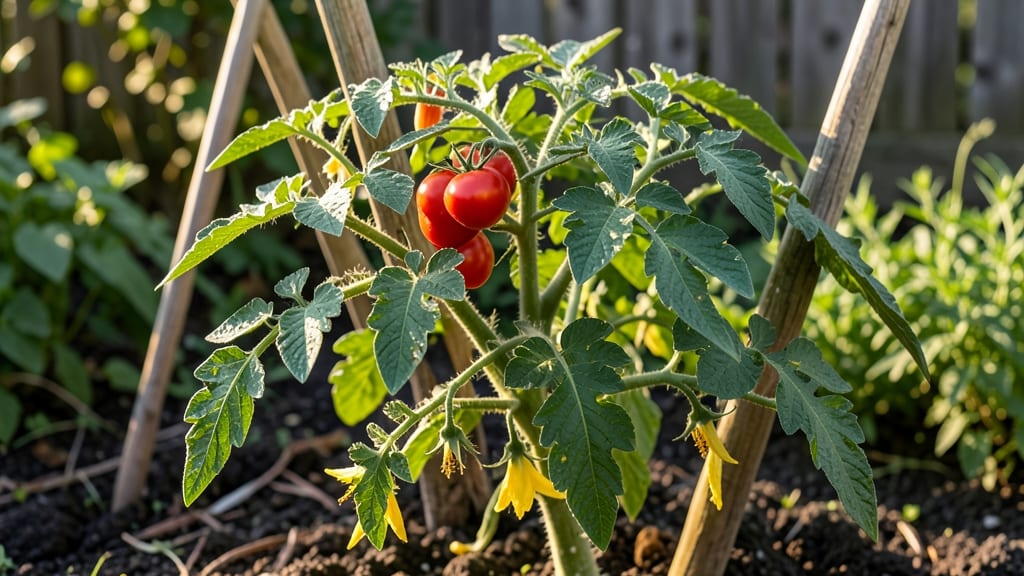
Tomato plants need direct sun to thrive, but how much—and what happens if they don’t get it? Without enough light, your 🍅 vines may look lush but produce tiny, tasteless fruits (or none at all).
If your tomato plants are producing small fruits—or worse, no tomatoes at all—your light exposure might be the culprit. Sunlight isn’t just nice for tomatoes; it’s their lifeline for sweet, abundant harvests.
Most varieties demand 6 to 8 hours of direct sunlight daily, with morning sun being the most critical. Too little light leads to weak stems, pale leaves, and poor fruit set, while too much scorching can happen in extreme heat.
In this guide, I’ll break down exactly how much sun tomatoes need, how to spot light deficiencies, and what to do if your garden doesn’t get enough—so you can grow juicy, vine-ripened tomatoes every season.

How much direct sun tomato plants actually need (and why)
Tomatoes are sun-worshippers, and their fruit production depends entirely on how much direct sunlight they receive. While many gardeners assume "full sun" means "as much as possible," there’s actually a sweet spot for these plants.
Too little light leads to weak growth, while too much can stress them—especially in hot climates. The key is understanding how sunlight impacts each growth stage, from seedlings to fruiting.
Most tomato varieties thrive with 6 to 8 hours of direct sunlight daily. This isn’t just a rule of thumb—it’s rooted in their biology. Tomatoes are C3 plants, meaning they rely on photosynthesis to convert sunlight into energy for both vegetative growth (leaves and stems) and fruiting.
Without enough light, they’ll prioritize leafy growth over producing the tomatoes you’re craving. Even determinate varieties (bush types) need this minimum, though they tolerate slightly less than indeterminate varieties (vining types).
Here’s where many gardeners go wrong: assuming partial shade is a flexible compromise. While tomatoes can tolerate 4 hours of morning sun combined with afternoon shade in cooler climates, this setup rarely delivers the sweet, flavorful tomatoes you’d get with full sun.
The trade-off? Lower yields and fruits that are less vibrant in color and flavor. For example, Beefsteak varieties need at least 7 hours of direct sun to develop their signature size and depth of flavor.
The vegetative stage (early growth) is when tomatoes build their leaf canopy, and they’re more adaptable to partial shade during this phase. However, once they enter the fruiting stage, their photosynthetic demand spikes.
This is why you’ll often see blossom drop—where flowers fall off—in shady spots. The plant isn’t getting enough energy to support both leaf growth and fruit development simultaneously.
Sunlight also affects tomato ripening. Fruits exposed to full sun develop higher sugar content and deeper colors due to increased carotenoid production.
In contrast, tomatoes grown with less than 5 hours of direct sun often stay pale green or yellow, lacking the rich reds and oranges we associate with ripe tomatoes. This isn’t just about aesthetics—underripe tomatoes are also less nutritious, with lower levels of lycopene and vitamin C.
If you’re growing tomatoes in containers or urban gardens, maximizing sunlight becomes even trickier.
South-facing windows or balconies are ideal, but even then, you’ll need to rotate pots weekly to ensure even light exposure. Reflective surfaces, like white walls or aluminum foil, can help bounce extra light onto plants, effectively increasing their sunlight exposure by up to 20%.
This trick is especially useful for balcony gardens where space is limited.
A common misconception is that partial shade is automatically better in hot climates. While afternoon shade can prevent sunburn on leaves, tomatoes still need their daily sunlight quota.
In areas with intense afternoon sun (like the Southwest U.S.), providing morning sun and dappled shade in the afternoon is a better approach than full shade. Shade cloth with 30-50% coverage can help filter harsh light without cutting off essential photosynthesis.
For indoor growers, replicating natural sunlight is challenging but doable with grow lights. A full-spectrum LED set up 12-16 inches above plants for 14-16 hours daily mimics the sun’s intensity. Without this, indoor tomatoes often produce small, bland fruits due
Signs your tomato plants aren’t getting enough sun (and how to fix it)
Tomatoes are sun-worshippers, and when they don’t get enough light, they’ll scream for help through their growth habits. If your plants look leggy with long, weak stems stretching toward the sky, that’s their way of saying, "I need more sunshine!"
Even worse, small, pale leaves or no fruit production at all are red flags that your tomatoes are starving for light.
I’ve seen gardeners assume their tomatoes are just "slow starters," but light deficiency is often the real culprit. Without enough sun, your plants can’t photosynthesize properly, leading to poor fruit development or even blossom drop.
The good news? Fixing it is easier than you think—whether you’re growing in containers, raised beds, or in-ground.
⚠️ Critical Light Threshold
Tomatoes need 6–8 hours of direct sun daily for optimal growth. Below 4 hours, they’ll struggle to produce fruit, and under 2 hours, they may not survive long-term. Even partial shade (like dappled sunlight) can stunt growth and reduce yields by up to 50%.
🌱 Pro Tip: Use a light meter or observe your garden’s sun patterns with a sun chart to pinpoint exactly where your plants are falling short.
One of the first visual clues is yellowing leaves, especially on the lower stems. This isn’t just old age—it’s a sign your plant is reaching for light and can’t support itself properly.
Another dead giveaway? Small, bitter tomatoes that never ripen, even when left on the vine for weeks. If your fruits are green and hard long after they should’ve turned red, your tomatoes are light-deprived.
For container-grown tomatoes, the problem is often placement. If your pots are tucked in a shady corner or surrounded by taller plants, they’ll compete for light.
Move them to the sunniest spot in your yard—even if it means relocating them midday. Raised beds can also be tricky if they’re in the shadow of a fence or tree; try rotating your beds seasonally to follow the sun’s path.
If you’re dealing with in-ground tomatoes, consider pruning nearby plants or even removing shade sources like overgrown shrubs. For balcony or patio gardens, a reflective surface (like a white wall or mirror) can bounce extra light onto your plants.
And if all else fails, grow lights are a game-changer for indoor or low-light setups.
Don’t wait until your tomatoes are desperate to act. Start by monitoring their sun exposure for a week, then adjust their location or add supplemental light. With the right fix, you’ll see stronger stems, healthier leaves, and—most importantly—juicy, sun-ripened tomatoes in no time. 🍅