
Planting
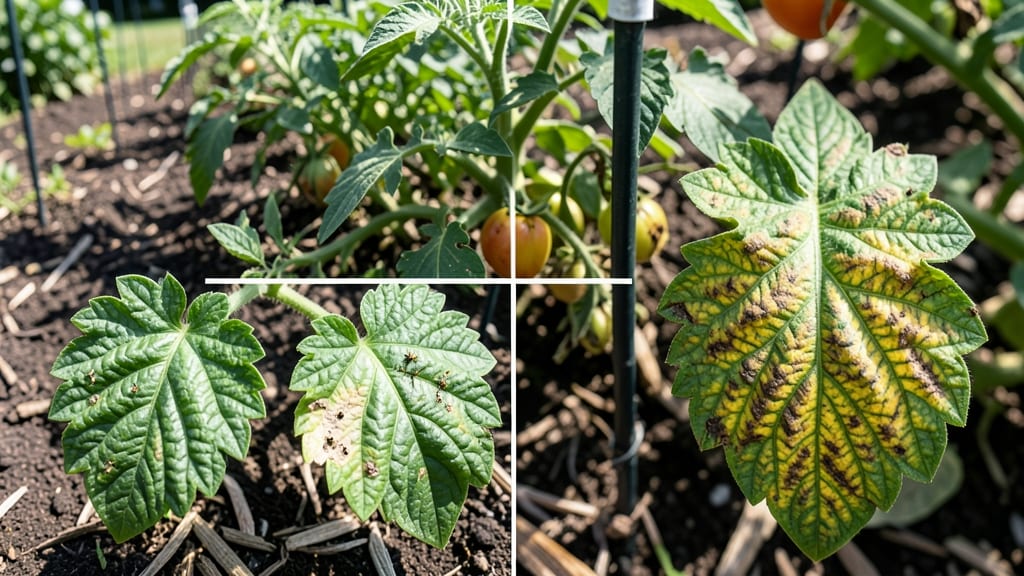
Your tomato plants might look healthy one day and suddenly shrivel into twisted, yellowing wrecks the next—that’s curly top virus, and it’s one of the most heartbreaking tomato diseases out there. 🌱 I’ve watched this virus wipe out entire gardens in weeks, turning vibrant plants into brittle husks with curled leaves and stunted growth.
The good news? You can still save your crop if you catch it early and act fast.
This virus spreads through leafhoppers, those tiny jumping insects that seem harmless until they turn your garden into a disease hotspot. The moment you spot the classic symptoms—thickened, curled leaves, stunted stems, and a telltale purple tint on the undersides—you’ll need to act.
The virus itself can’t be cured, but removing infected plants and controlling leafhoppers can stop it from spreading to the rest of your garden.
Your first step is to prune and destroy any infected plants immediately—don’t compost them, or you’ll risk reinfecting your soil.
Then, focus on natural leafhopper control: introduce beneficial insects like ladybugs, use reflective mulch to disorient the pests, and plant trap crops like marigolds to lure them away from your tomatoes. With these steps, you can protect your remaining plants and prevent next year’s outbreak.
For the long term, choose resistant varieties like ‘Mountain Merit’ or ‘Defiant PhR,’ and rotate your tomato crops every year to break the virus cycle. The key is vigilance—check your plants weekly, especially during warm, dry weather when leafhoppers thrive. A little prevention now means a thriving tomato harvest later.
📚 In This Guide
- What you need
- Instructions
- Tips and common mistakes
- Wrapping up and next steps
What you need
- ● Handheld magnifier or loupe (10x magnification) – For closely inspecting leaves and stems for curling, yellowing, or stunted growth.
- ● Pruning shears (sterilized) – To remove and dispose of infected plants. Use 70% isopropyl alcohol for sterilization.
- ● Garden gloves (nitrile or latex) – Protects hands from sap and potential pathogens.
- ● Shovel or trowel – For deep removal of infected plant roots.
- ● Disposable plastic bags or buckets – For sealed disposal of infected plant debris (do not compost!).
- ● pH test kit (soil) – Ensures soil pH is 6.0–7.0, optimal for healthy tomato growth.
- ○ Spray bottle (250–500 mL) – For applying neem oil or insecticidal soap (optional but helpful).
- ● Reflective mulch (silver or aluminum) – Helps deter leafhoppers, the primary vector of CTV.
- ● Row covers (fine mesh, 18–30 inches tall) – Protects young plants from leafhopper infestations.
- ● Systemic insecticide (e.g., imidacloprid or dinotefuran) – Apply as a soil drench before leafhoppers arrive (check local regulations).
- ● Compost or organic matter – 2–3 gallons per plant to boost soil health and plant resilience.
- ● Healthy tomato seedlings (CTV-free) – Purchase from reputable nurseries or start from certified disease-free seeds.
- ● Basic understanding of leafhopper life cycles and their role in virus transmission.
- ● Access to a local agricultural extension office for diagnostic testing if symptoms are unclear.
- ● Knowledge of quarantine protocols if CTV is confirmed in your garden.
- ● Patience and consistency – CTV management requires ongoing vigilance.
How to identify and manage tomato curly top virus
Here's how I spot and stop this stubborn disease before it ruins your harvest.
🌿 Step 1: Recognize the Early Warning Signs
Curly top virus starts with leaves that look like they've been crumpled in a fist—thick, puckered, and upward-curling at the edges. Check the undersides of leaves too; you'll often see a yellowing or mottling that spreads from the veins outward. The real giveaway? New growth will appear stunted, with leaves smaller than normal and a stiff, brittle texture.
Look for these key symptoms in your tomato plants: leaf curling upward, yellowing between veins, and stunted new growth. The disease spreads fast, so act immediately when you see even one leaf showing these signs. I've seen entire plants collapse within weeks if left unchecked.
🌱 Step 2: Confirm the Diagnosis with Simple Tests
Curly top virus thrives in hot, dry conditions, so check your plants during the summer months when temperatures climb above 75°F. The best time to inspect is early morning when leaves are still turgid. Gently pinch a small leaf between your fingers—healthy leaves spring back, while infected ones stay curled and brittle.
Dig up a plant showing symptoms and examine the roots. Curly top virus often causes root systems to appear stunted or darkened. You can also check nearby plants for similar symptoms, as the virus spreads through leafhoppers that feed on multiple hosts. If you confirm the diagnosis, remove infected plants immediately to prevent spread.
✂️ Step 3: Remove Infected Plants and Sterilize Tools
Pull up any infected tomato plants and all nearby weeds—especially those in the aster family (like sunflowers or marigolds), which can harbor the virus. Bag the plants and dispose of them in the trash, not your compost pile. The virus can survive in plant debris for months, so don't risk reinfecting your garden.
After removal, sterilize your pruners or trowel with a 10% bleach solution (1 part bleach to 9 parts water) or rubbing alcohol. Wipe down garden tools thoroughly to kill any lingering virus particles. I also recommend cleaning garden gloves and washing your hands afterward to avoid accidental transfer to healthy plants.
💧 Step 4: Prevent Future Outbreaks with Cultural Controls
Curly top virus spreads primarily through leafhoppers, so focus on reducing their populations. Install fine mesh row covers over tomato plants in early spring to block these insects from feeding. Check covers regularly for tears and repair them promptly. I've found that yellow sticky traps placed near tomato beds also catch leafhoppers before they spread the virus.
Rotate your tomato planting location each year to break the virus cycle—leafhoppers often return to the same spots. Avoid planting tomatoes near weeds or other susceptible crops, and keep your garden free of debris where leafhoppers might overwinter. Healthy, vigorous plants are less susceptible, so maintain proper watering and fertilize with balanced nutrients to support strong growth.
☀️ Step 5: Monitor and Maintain Vigilance
Inspect your tomato plants weekly throughout the growing season, paying special attention to new leaves and young plants. Early detection is key—once symptoms appear, the plant is already compromised. Keep a garden journal to track plant health and note any unusual symptoms, which can help you catch problems before they spread.
If you notice leafhoppers in your garden, act quickly. Spray plants with a strong stream of water to dislodge them, or use insecticidal soap as a natural control. Avoid broad-spectrum pesticides, as they can harm beneficial insects that help control leafhopper populations. By staying proactive, you can protect your tomato plants and enjoy a bountiful harvest.
Tips & tricks for managing tomato curly top virus
Don't let this sneaky disease catch you off guard—here's how to stay one step ahead.
Early Detection is Everything: I can't stress this enough—check your tomato plants weekly, especially during hot summer months when temperatures rise above 75°F. Focus on new growth first, as that's where symptoms appear earliest. The key is catching it before just one leaf shows curling. I've seen gardeners lose entire crops because they waited until half the plant was affected.
Leaf Test That Saves Time: Here's what nobody tells you—gently pinch a leaf between your thumb and forefinger. Healthy leaves will spring back immediately, while infected ones stay curled and brittle. This simple test takes seconds but can save your harvest. Do this test on all plants during your weekly inspections, not just the ones that look suspicious.
Sterilization Secrets: When you remove infected plants, don't just toss them in the compost! The virus can survive in plant debris for months. Instead, bag them and put them in the trash. Then sterilize your tools with a 10% bleach solution (1 part bleach to 9 parts water) or rubbing alcohol. I also wash my hands thoroughly after handling infected plants to avoid accidental transfer.
Prevention That Actually Works: The best defense is a good offense. Install fine mesh row covers over your tomato plants in early spring to block leafhoppers before they spread the virus. Check these covers regularly for tears and repair them promptly. I've found that placing yellow sticky traps near tomato beds catches leafhoppers before they become a problem. This simple step has saved my tomato harvests multiple times.
Pro Tips for Tomato Plant Curly Top Virus
- Don't let this sneaky disease catch you off guard—here's how to stay one step ahead.
- Early Detection is Everything: I can't stress this enough—check your tomato plants weekly, especially during hot summ...
- Leaf Test That Saves Time: Here's what nobody tells you—gently pinch a leaf between your thumb and forefinger. Health...
Frequently asked questions
What does curly top virus look like on tomato plants?
The virus causes stunted growth, cupped or curled leaves, and yellowing between veins. You may also see small, deformed fruits and thickened, brittle stems. Early symptoms resemble nutrient deficiencies, but curly top spreads rapidly and kills plants within weeks if untreated.
How quickly does curly top virus spread in a garden?
This virus spreads fast—thanks to leafhopper insects—often within days to weeks once infected plants appear. Wind can also carry leafhoppers, so isolate infected plants immediately and remove them with the roots to prevent contamination. Prevention is key!
Can curly top virus be cured or treated?
Unfortunately, there’s no cure for curly top virus. Infected plants must be destroyed (burned or buried) to stop the spread. Focus on prevention: row covers, early planting, and removing weeds (leafhopper hotspots). Healthy soil and resistant tomato varieties (like ‘Mountain Merit’) can reduce risk.
What should I plant after removing infected tomato plants?
Since the virus doesn’t survive in soil, you can replant the same area next season. However, avoid planting susceptible crops like tomatoes, peppers, or beans in the same spot for at least 2 years. Opt for non-host plants (e.g., carrots, lettuce, or corn) to break the leafhopper cycle.
Are there natural ways to deter leafhoppers?
Yes! Companion planting with basil, marigolds, or nasturtiums can repel leafhoppers. Neem oil or insecticidal soap (applied at dusk) also help. Reflective mulch (like aluminum foil) confuses leafhoppers and reduces landings. Rotate crops yearly to disrupt their life cycle.
Wrapping up and next steps
Tomato Curly Top Virus may feel overwhelming, but armed with the right knowledge, you can protect your garden and keep your plants thriving! 🌱 Early identification, proper removal, and preventive measures are your best defenses.
Stay vigilant, act quickly, and don’t hesitate to reach out to local agricultural experts for support.
Ready to take action? Start by inspecting your plants regularly—your proactive steps today could save your harvest tomorrow! 🌿