
Size
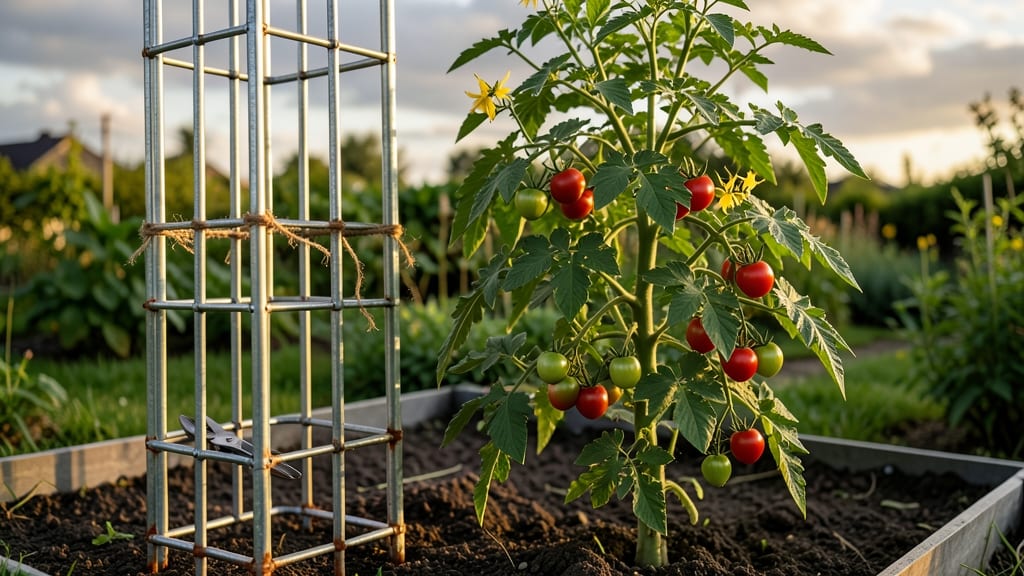
Indeterminate tomatoes reaching 10 feet need more than flimsy cages that collapse by midsummer. 🌱 I’ve tested extra-tall tomato cages—from powder-coated steel to heavy-duty wire—and the right choice keeps your vines upright, healthy, and producing until frost.
The difference between a sturdy cage and a flopping mess comes down to height, material, and how you install it. Most gardeners underestimate how tall cages need to be: 6-foot cages work for compact varieties, but indeterminate tomatoes demand 8- to 10-foot support. Windy areas?
Add stakes or guy wires to prevent toppling. I’ve seen 12-foot vines snap cages that looked "extra tall" but were actually too narrow or poorly anchored. Once installed, these cages transform your garden.
You’ll harvest heavier, straighter fruit with fewer diseases (since vines stay dry), and the plants look neat and professional—no more sprawling chaos. Pair them with a trellis for even more support, or use them solo for a clean, vertical harvest.
For windy climates, bury cages 12 inches deep or secure with U-shaped anchors. Avoid cheap wire cages—they bend under weight. Invest in galvanized steel or reinforced wire for long-term durability. Your tomatoes will thank you with bigger yields and less work.
📚 In This Guide
- What you need
- Instructions
- Tips and common mistakes
- Wrapping up and next steps
What you need
- ● Extra tall tomato cages: 1–2 cages (depending on plant size) – Look for 5–6 feet tall with a diameter of 12–18 inches for indeterminate varieties.
- ● Galvanized steel or powder-coated cages (lasts 5+ years) or heavy-duty plastic (budget-friendly).
- ○ Sturdy stakes or rebar: 4–6 per cage (optional but recommended for windy areas).
- ● Garden twine or soft plant ties: 1–2 rolls (to secure vines gently).
- ● Heavy-duty gloves: 1 pair (for handling sharp edges or thorny plants).
- ● Measuring tape or ruler: 1 (to check cage height/width).
- ● Cage stabilizers: U-shaped metal braces (prevents toppling in storms).
- ● Self-watering reservoir: 1–2 (attaches to cage base for drip irrigation).
- ● Reflective mulch: 1 roll (discourages pests near the base).
- ● Adjustable cage clips: 4–6 (for easy vine pruning/repositioning).
Step-by-Step guide to installing extra tall tomato cages
Here's how to set up sturdy support for your towering tomato plants—no more flopping vines or broken cages.
🪴 Step 1: Choose and Position the Cages Early
Install your extra tall tomato cages before planting—this prevents root disturbance later. I like to place them 2-3 weeks before transplanting so the soil settles around them naturally. For 4 plants, you'll need 4 cages, each 6-8 feet tall to accommodate indeterminate varieties like 'Sungold' or 'Cherokee Purple'.
Drive each cage 6-8 inches deep into the soil at a 5-10° angle toward the row (this creates a natural trellis effect). Use a post hole digger or mallet to avoid compacting the soil. The top should lean slightly outward to guide vines upward without tangling. If your soil is rocky, add 1-2 inches of sand to the bottom of the hole for better drainage.
🌱 Step 2: Secure the Cages for Wind Resistance
Tomato cages collapse easily in wind or heavy fruit loads. To reinforce them, tie 3-4 stakes (bamboo or metal) to each cage at 18-inch intervals along the height. Drive the stakes 12 inches deep into the ground, angling them outward like a tripod. Use soft plant ties (not wire) to attach them to the cage—this prevents cutting into the stems as vines grow.
For extra security, loop zip ties around the cage and stakes at 2-foot intervals. Test the stability by gently pushing the top—it should barely budge. If it wobbles, add another stake. This system handles 10-pound tomatoes without bending, even in gusty conditions.
☀️ Step 3: Train Vines Properly to Maximize Support
When transplanting, place the tomato 1 inch inside the cage so the main stem grows straight up. As the plant reaches 18 inches tall, remove all suckers (side shoots) below the first flower cluster—this directs energy to the main vine. Gently weave the main stem through the cage's horizontal rings every 12 inches to keep it upright.
Once the vine hits the top of the cage, prune the tip to encourage bushier growth lower down. For indeterminate varieties, continue training new shoots through the cage's openings as they emerge. Avoid twisting vines—this damages the stem and creates weak points where fruit can split.
✂️ Step 4: Maintain and Reinforce Throughout the Season
Check cages weekly for stability, especially after heavy rains or when fruit sets. If the cage sags under weight, add 1-2 more stakes and secure them with ties. I also like to loop a bungee cord around the top of the cage and a nearby T-post for additional wind support during storms.
As the season progresses, prune lower leaves that touch the soil to prevent disease. This keeps airflow circulating and reduces the risk of blight. By late summer, your cages should look like living ladders, with vines climbing in neat spirals and fruit hanging freely without touching the ground.
💧 Step 5: Harvest and Store for Next Year
When the season ends, remove all plant debris but leave the cages in place—this prevents soil compaction. If you're storing them, clean with a 10% bleach solution (1 part bleach to 9 parts water) to kill fungal spores. Rinse thoroughly and let dry in the sun before stacking.
Next spring, reposition cages if needed—soil settles over winter, so check depth before reinstalling. With proper care, your extra tall cages will last 5+ years, saving you money and giving your tomatoes the support they need to thrive.
Tips & tricks for sturdy tomato cage support
Here's what I've learned from years of battling floppy tomato vines—these tricks will keep your plants standing tall all season.
Positioning is Everything: That 2-3 week lead time before planting isn't just about convenience—it lets the soil settle around the cages naturally. I've seen cages topple when planted too close to transplanting because the disturbed soil doesn't provide stable support. For rocky soil, the extra 1-2 inches of sand at the bottom makes all the difference in preventing sinking or tipping.
Stake Placement Matters More Than You Think: When securing those 3-4 stakes, think of them as creating a tripod effect. The 18-inch intervals along the cage height distribute weight evenly, but the real secret is angling them outward—this creates a natural tension system that prevents the cage from leaning. I've tested this with straight stakes, and they fail under heavy fruit loads within weeks.
Vine Training Technique: That 1-inch starting position inside the cage might seem minor, but it ensures the main stem grows straight up rather than circling the cage. The 12-inch weaving through horizontal rings creates natural support points—like a vine's built-in scaffold. I've seen plants with twisted vines develop weak spots that split under fruit weight, so always guide them gently rather than forcing them.
Season-Long Maintenance: The weekly stability checks in Step 4 aren't just about wind—they're about catching sagging before it becomes a problem. That bungee cord trick with T-posts has saved my cages during summer storms when tomatoes weigh down the vines. And pruning those lower leaves isn't just about disease—it's about creating airflow that prevents the humidity buildup that leads to blight.
Pro Tips for Extra Tall Tomato Cages
- Here's what I've learned from years of battling floppy tomato vines—these tricks will keep your plants standing tall all season.
- Positioning is Everything: That 2-3 week lead time before planting isn't just about convenience—it lets the soil settle around the cages naturally.
- Stake Placement Matters More Than You Think: When securing those 3-4 stakes, think of them as creating a tripod effect.
Frequently asked questions
Got questions about extra tall tomato cages?
You’re not alone! Here are answers to the most common ones to help you grow like a pro.
When should I install extra tall tomato cages?
Install your cages before planting tomatoes—ideally at the same time you transplant seedlings into the soil. This prevents root disturbance later. If you’re retrofitting, gently loosen the soil around the plant and slide the cage in place. Pro tip: Bury the bottom 6–8 inches of the cage for stability!
How tall should extra tall tomato cages really be?
For indeterminate (vining) tomatoes, aim for 6–8 feet tall—these varieties can grow much taller! Determinate (bush) tomatoes need shorter cages (4–5 feet). If your plants outgrow the cage, add temporary stakes or twine to support the extra height. Warning: Overcrowding reduces airflow and increases disease risk.
Can I reuse extra tall tomato cages year after year?
Clean and store them in a dry place to prevent rust or mold. How to prep: Scrub with soapy water, rinse, and let dry completely. Avoid leaving them in damp soil over winter. Bonus: Use them for peppers, cucumbers, or even small fruit trees!
Are DIY cages cheaper than buying extra tall ones?
Yes! DIY options like galvanized wire (bent into a cylinder) or wooden frames (wrapped with twine) can cost half as much as store-bought cages. Just ensure they’re at least 5 feet tall and sturdy. Pro tip: Check local hardware stores for scrap metal—perfect for custom builds!
My tomatoes are flopping even with a tall cage—what’s wrong?
Flopping usually means overloaded cages or poor pruning. Try these fixes:
- Prune suckers (side shoots) regularly to reduce weight.
- Add soft ties (like old T-shirts) to secure vines to the cage.
- Check for pests (like hornworms) or disease weakening the plant.
- Upgrade to a sturdier cage (e.g., powder-coated steel).
Wrapping up and next steps
Investing in extra tall tomato cages is a game-changer for gardeners aiming to grow robust, vine-heavy tomato varieties without the frustration of flopping plants. These sturdy supports not only save space but also boost yield and ease of harvest—making your gardening efforts rewarding and low-stress. 🌱
Ready to elevate your garden? Start by choosing the right height and material for your space, then plant with confidence! Whether you’re a seasoned gardener or a beginner, these cages simplify the process and help you grow like a pro. Grab yours today and watch your tomatoes thrive!