
Vegetables
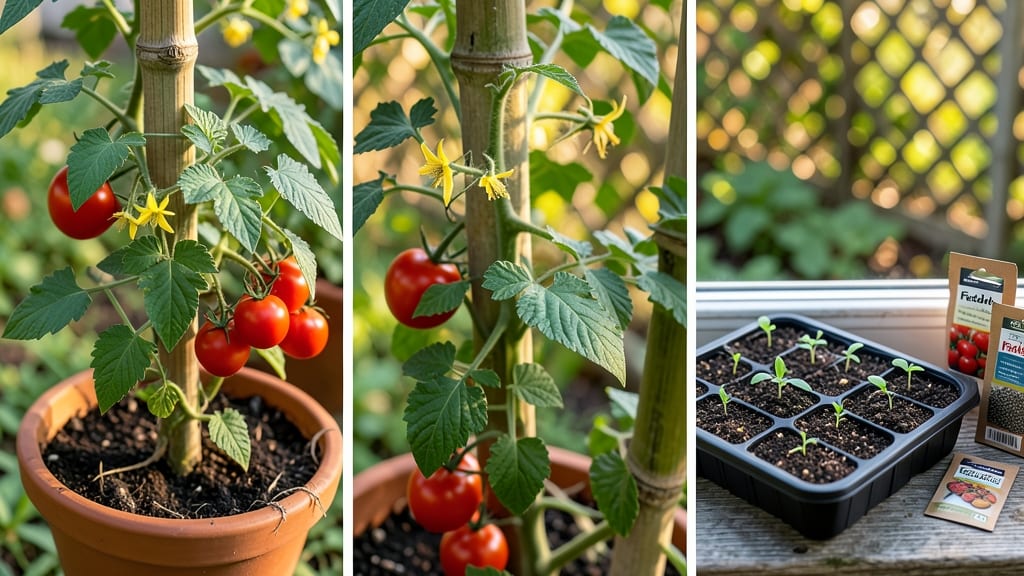
Growing Federle tomato seeds means unlocking a family heirloom with sweet, meaty fruits that taste like summer in every bite. 🌱 I’ve grown this variety for three seasons now, and the difference between store-bought tomatoes and these homegrown gems is night and day.
The key? Starting with fresh seeds and mimicking their Mediterranean roots right from the soil.
These tomatoes thrive in warm soil (wait until nighttime temps stay above 50°F) and demand full sun—at least 6-8 hours daily. The soil mix should be loose and fertile, with a pH between 6.0 and 6.8.
I swear by adding compost at planting time; it’s the secret to those juicy, slow-browning fruits that keep producing until frost. Stake or cage them early—the vines grow tall and heavy.
Watering is where most gardeners trip up: Federle tomatoes hate wet feet but need consistent moisture. Aim for 1-1.5 inches per week, watering at the base to avoid fungal issues.
You’ll know you’re doing it right when the first flowers appear—pale yellow and delicate—followed by tiny green fruits that’ll swell into 2-3 pound beauties by mid-summer.
Here’s the best part: these tomatoes keep giving. With proper care, you’ll harvest until the first hard frost, and the flavor? It’s the kind of sweetness that makes you pause mid-bite.
The trade-off? They’re sensitive to cracking in heavy rain, so mulch well and watch the weather. Ready to grow your own taste of Italy?
📚 In This Guide
- What you need
- Instructions
- Tips and common mistakes
- Wrapping up and next steps
What you need
- ● Federle tomato seeds – Purchase from a trusted seed supplier (aim for organic, non-GMO if possible). A small packet (typically 10-20 seeds) is enough for a home garden.
- ● Seed-starting mix – A lightweight, sterile potting mix (avoid garden soil—it can harbor diseases). A 10-inch tray or biodegradable pots (3-4 inches deep) works best.
- ● Grow lights or sunny windowsill – Federle tomatoes thrive with 12-16 hours of light daily. A full-spectrum LED grow light (or a south-facing window) is ideal.
- ○ Watering can with a fine rose – Keeps seedlings moist without disturbing them. Bottom-watering trays (optional but helpful) prevent overwatering.
- ● Plant labels & markers – Federle tomatoes are indeterminate (vining), so labeling helps track growth stages.
- ● Garden trowel or transplanting spade – For gently moving seedlings into the ground or larger pots.
- ● Well-draining garden soil or raised bed mix – Federle tomatoes love rich, slightly acidic soil (pH 6.0-6.8). Amend with compost for nutrients.
- ● Tomato cages or sturdy stakes (6+ feet tall) – Indeterminate varieties need support! Use galvanized metal cages or bamboo stakes.
- ● Organic fertilizer (balanced NPK, 10-10-10 or similar) – Feed seedlings at half-strength every 2-3 weeks once transplanted.
- ● Mulch (straw or black plastic) – Retains moisture and suppresses weeds. 3-4 inches is ideal.
- ● Seedling heat mat – Speeds up germination if your home is chilly (70-75°F is perfect).
- ● Humidity dome or plastic wrap – Keeps seedlings cozy until sprouts emerge (remove after 7-10 days).
- ● Pruning shears – For trimming suckers (side shoots) to encourage stronger vines.
- ● Drip irrigation system – Automates watering and reduces disease risk from overhead sprinklers.
Step-by-step guide to growing Federle tomato seeds
Here’s my foolproof method for nurturing Federle tomato seedlings into thriving, productive plants.
🌱 Step 1: Prepare the Perfect Germination Environment
Federle tomatoes germinate best in a warm, humid environment. Start by filling 2-3 inch deep seedling trays with a sterile seed-starting mix—never garden soil, as it’s too dense and can harbor pathogens. Moisten the mix until it’s damp but not soggy, then gently press it down to remove air pockets. The goal is a firm yet fluffy texture that holds moisture without compacting.
Plant 2-3 seeds per cell at a depth of ¼ inch, which is roughly the diameter of the seed itself. Sowing too deep delays germination because the seedling must push through more soil, exhausting its energy reserves. Cover lightly with additional mix, then mist the surface with a spray bottle until evenly moist. You’ll see condensation form on the tray—this is your sign the humidity level is perfect.
💧 Step 2: Maintain Warmth and Moisture for Germination
Place the tray on a seedling heat mat set to 75-85°F to speed up germination, which typically occurs in 7-10 days. Without a heat mat, germination may take 12-14 days, especially in cooler rooms. Cover the tray with a clear humidity dome or plastic wrap to retain warmth and moisture—Federle seeds need consistent dampness to sprout.
Check daily but resist the urge to water. The dome traps enough moisture that the soil stays evenly damp without intervention. Once 50% of seeds have sprouted, remove the dome immediately to prevent damping-off disease, which causes seedlings to collapse overnight. You’ll know it’s time when the first tiny green shoots appear, followed by the others within a day or two.
☀️ Step 3: Provide Optimal Light for Strong Seedlings
The moment seedlings break through the soil, they need 14-16 hours of light daily. A south-facing window rarely provides enough intensity, so position a full-spectrum LED grow light 2-4 inches above the plants. Raise the light as they grow to maintain that gap—this prevents leggy, weak stems that can’t support the Federle variety’s heavy fruit.
You’ll see strong seedlings develop thick stems, deep green color, and compact spacing between leaves. If seedlings stretch toward the light with pale, elongated stems, your light is too far away. Rotate the tray a quarter turn daily so plants grow upright instead of leaning. Within 3-4 weeks, you’ll have sturdy seedlings ready for transplanting.
✂️ Step 4: Harden Off and Transplant for Success
Two weeks before your last frost date, begin hardening off the seedlings by placing them outside in a sheltered, shaded spot for 1-2 hours the first day. Gradually increase outdoor time by 1 hour daily over 10-14 days, slowly introducing more sun and wind. This process toughens the seedlings, preventing transplant shock that can stunt growth.
Choose a sunny spot in your garden with well-draining soil—Federle tomatoes thrive in full sun and need 18-24 inches of space between plants. Transplant on an overcast afternoon to reduce stress, then water deeply at the base. You’ll know the transition is successful when the seedlings resume vigorous growth within 5-7 days.
🌿 Step 5: Support and Maintain for Bountiful Harvests
Federle tomatoes produce heavy fruit, so install sturdy cages or stakes at planting time to support the vines. Prune suckers (the small shoots that grow between the main stem and branches) to direct energy into fruit production. You’ll see new growth emerge from the leaf axils—these are your future branches, each capable of bearing clusters of tomatoes.
Water deeply 1-2 times per week, ensuring the soil stays moist but not waterlogged. Mulch around the base to retain moisture and suppress weeds. Within 60-70 days of transplanting, you’ll be harvesting Federle tomatoes—large, beefsteak-style fruits with a rich, meaty texture perfect for slicing and sauces.
Tips & tricks for perfect Federle tomato seedlings
Here's what I learned after growing Federle tomatoes for years—these tricks make all the difference between weak seedlings and thriving plants.
Germination Temperature Control: The 75-85°F range on your heat mat is non-negotiable for Federle seeds. If your home stays cooler than 70°F, place the tray on top of your fridge (not inside) to maintain warmth. I've seen germination times stretch to 21 days in cooler homes without this adjustment. Once you see those first sprouts at 7-10 days, keep the heat mat on for another 3-4 days to encourage strong root development.
Lighting Strategy: That 2-4 inch distance from your grow light isn't just arbitrary—it's the sweet spot where seedlings get enough intensity without burning. I use a timer for my 14-16 hour light cycle because inconsistent lighting leads to leggy plants. Watch for stems that look like toothpicks instead of sturdy pencils; that's your cue to lower the light or increase the distance slightly. Rotating the tray daily prevents plants from leaning toward the light source.
Transplanting Timing: The 5-7 day recovery window after transplanting is your best indicator of success. If your seedlings aren't showing new growth by day 7, they're struggling. I always transplant on an overcast afternoon because direct sun creates additional stress. Water deeply at the base—never overhead—to prevent fungal issues that Federle varieties are particularly susceptible to.
Support System: Don't wait until you see fruit to install those sturdy cages! The moment you transplant, place your cages or stakes. Federle's beefsteak tomatoes can weigh over a pound each, and the vines need that support from day one. I use tomato-specific cages that are at least 5 feet tall—these plants will grow tall and need room to spread their branches.
Pro Tips for Federle Tomato Seeds
- Here's what I learned after growing Federle tomatoes for years—these tricks make all the difference between weak seed...
- Germination Temperature Control: The 75-85°F range on your heat mat is non-negotiable for Federle seeds. If your home...
- Lighting Strategy: That 2-4 inch distance from your grow light isn't just arbitrary—it's the sweet spot where seedlin...
Frequently asked questions
Got questions about growing Federle tomato seeds?
You’re not alone! Whether you’re a first-time gardener or a seasoned green thumb, these answers will help you navigate the process like a pro.
What makes Federle tomato seeds different from other heirloom varieties?
The Federle tomato is a rare, heirloom variety known for its large, beefsteak-style fruits with deep pink flesh and minimal seeds—perfect for slicing or grilling. Unlike hybrid tomatoes, Federle seeds are open-pollinated, meaning you can save and replant them year after year. Their flavor is rich, slightly sweet, and meaty, making them a favorite for sandwiches and sauces!
When is the best time to plant Federle tomato seeds indoors vs. outdoors?
Start Federle seeds indoors 6–8 weeks before your last frost date (typically March–April in most climates). Transplant seedlings outdoors after soil warms to 60°F+ and nighttime temps stay above 50°F—usually late May or June. Pro tip: Use black plastic mulch to warm the soil faster and deter weeds!
How do I ensure my Federle tomato plants get enough support?
Federle tomatoes can grow tall and heavy, so provide a sturdy cage (5+ feet tall) or trellis at planting. Use soft ties (like old T-shirts or plant straps) to secure stems gently as they grow—avoid wire or anything that can cut into the plant. Prune suckers (side shoots) to focus energy on fruit production and improve airflow.
Why are my Federle tomato leaves turning yellow, and how do I fix it?
Yellow leaves often signal overwatering, nutrient deficiency, or disease. Check the soil—it should be moist but not soggy. If leaves are yellow with green veins, it’s likely nitrogen deficiency; try a balanced fertilizer (10-10-10) or compost tea. For blight or spots, remove affected leaves, space plants for airflow, and avoid overhead watering. Prevention tip: Rotate crops yearly to avoid soil-borne diseases!
Can I grow Federle tomatoes in containers, and what’s the best setup?
Yes! Federle tomatoes thrive in 5-gallon+ containers with well-draining soil and a support structure (like a tomato cage). Use a lightweight potting mix with added compost, and water consistently (containers dry out faster). Choose a sunny spot (6+ hours of light) and fertilize every 2–3 weeks with a tomato-specific feed. Bonus: Dwarf or determinate Federle varieties work best in pots!
Wrapping up and next steps
Growing Federle tomato seeds unlocks a world of flavor and tradition, bringing heirloom sweetness straight to your kitchen! With the right soil, sunlight, and care, you’ll enjoy a harvest that’s as rewarding as it is delicious.
Whether you’re a seasoned gardener or just starting, these seeds offer a simple yet exciting way to elevate your garden—and your meals.
Ready to dive in? Start by ordering your seeds today and get ready to savor the taste of success! 🌱🍅