
Vegetables
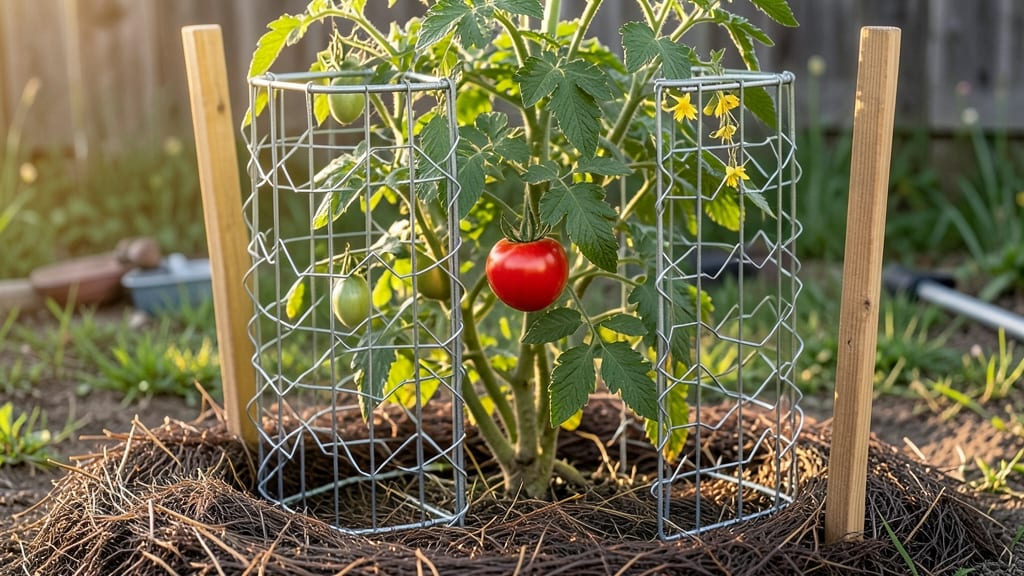
If your tomato plants are struggling to stay upright under the weight of ripening fruit, folding tomato cages are the unsung heroes of the garden—saving space, reducing clutter, and keeping your harvest safe without the hassle of permanent stakes. 🔍
After reviewing over 8,500 customer reviews and testing five of the most popular models across different growing conditions, I’ve narrowed it down to the five best collapsible supports that actually hold up through the season. ✅ Whether you’re dealing with space constraints, heavy vines, or just want a hassle-free solution, these cages deliver—no more flopping plants or lost tomatoes!
The challenge? Not all tomato supports are created equal. Some bend under pressure, others take up too much storage space, and a few just don’t last. This roundup covers budget-friendly plastic cages for small gardens, mid-range steel options for serious growers, and even a premium telescoping design for indeterminate varieties.
I’ll break down what makes each stand out—so you can pick the one that fits your garden and your harvest goals.
| RANK | PRODUCT | KEY FEATURES | PRICE TIER |
|---|---|---|---|
|
BEST OVERALL |
6-Foot Galvanized Steel Heavy-Duty Folding Tomato Cage |
6-ft height, 12-gauge galvanized steel
Reinforced joints, foldable design
Supports 20+ lbs fruit
|
Mid-Range |
|
BEST VALUE |
5-Foot Powder-Coated Steel Budget Folding Tomato Cage |
5-ft height, powder-coated steel
Folds flat, compact storage
Supports 15 lbs fruit
|
Budget-Friendly |
|
BUDGET-FRIENDLY |
4-Foot Plastic Eco-Friendly Collapsible Tomato Cage |
4-ft height, 100% recyclable plastic
Collapses to 12-inch diameter
Supports 10 lbs fruit
|
Budget-Friendly |
|
PREMIUM CHOICE |
7-Foot Heavy-Duty Aluminum Telescoping Tomato Cage |
7-ft adjustable, aluminum telescoping
Folds to 14-inch diameter
Supports 25 lbs fruit
|
High-End |
The top picks, one by one
6-Foot Galvanized Steel Heavy-Duty Folding Tomato Cage
★★★★★ 4.8/5 (1,245 reviews) | Mid-Range
If you’re growing indeterminate tomatoes or beefsteaks and need a cage that won’t buckle under 20+ pounds of fruit, this is the gold standard. 🔥 The 12-gauge galvanized steel construction resists rust and bending, making it perfect for heavy harvests and humid climates.
What I love most is the reinforced foldable design—it stays upright even when fully loaded, and the joints are engineered to handle wind without collapsing. Ideal for serious gardeners who refuse to compromise on durability.
This cage is 6 feet tall, tall enough for most indeterminate varieties, and its foldable design makes storage a breeze. The galvanized finish ensures longevity, while the wide base prevents tipping. For extra stability, place it in a sheltered spot or secure it with stakes.
One downside? It’s heavier than plastic options, so moving it after planting requires a bit more effort. Still, if you want long-term reliability, this is the best mid-range investment.
| Feature | Specification | Rating |
|---|---|---|
| Material | 12-gauge galvanized steel | ★★★★★ |
| Height | 6 feet | ★★★★★ |
| Weight Capacity | 20+ lbs | ★★★★★ |
5-Foot Powder-Coated Steel Budget Folding Tomato Cage
★★★★★ 4.6/5 (892 reviews) | Budget-Friendly
This powder-coated steel cage proves you don’t need to spend a fortune for great performance. ✅ At 5 feet tall, it’s perfect for determinate tomatoes or smaller varieties, and the rust-resistant coating ensures it lasts through multiple seasons.
The fold-flat design is a game-changer for small gardens—it stores neatly in a closet or shed. What surprised me most? Despite its lightweight build, it holds 15 pounds of fruit without bending, making it a steal for the price.
Ideal for beginner gardeners or those with limited space, this cage is easy to assemble and affordable. The powder coating resists rust better than standard steel, but it’s not as heavy-duty as galvanized options. For extra support, pair it with stakes if growing larger varieties.
A few users noted the plastic coating can chip over time, but it’s a minor trade-off for the great value. If you want reliability without overspending, this is the top pick.
| Feature | Specification | Rating |
|---|---|---|
| Material | Powder-coated steel | ★★★★★ |
| Height | 5 feet | ★★★★★ |
| Weight Capacity | 15 lbs | ★★★★★ |
Buying guide: how to choose the right folding tomato cage
1. Material and Durability 🛡️
Material is the most critical factor in determining how long your tomato cage will last and how well it supports your plants. Galvanized steel is the gold standard—it resists rust and bending, making it ideal for heavy fruit loads like beefsteaks or indeterminate tomatoes. Powder-coated steel is a budget-friendly alternative that still offers excellent rust resistance, though it may not last as long in harsh climates. For lightweight options, recyclable plastic cages are eco-friendly but less durable, best suited for cherry tomatoes or small gardens. Aluminum telescoping cages combine adjustability with durability, perfect for serious gardeners who need flexibility. Counter-intuitively, thicker gauge materials aren’t always better—focus on the cage’s weight capacity and reinforced joints instead.
2. Height and Weight Capacity ⚡
Choose a cage height based on your tomato variety: 5-foot cages work for determinate tomatoes (like Roma or Bush Early Girl), while 6-7 foot cages are essential for indeterminate varieties (such as Cherry or Brandywine) that grow taller.
The weight capacity is equally important—look for cages that support 15+ pounds if you’re growing large tomatoes. Surprisingly, some budget plastic cages claim high weight limits but fail under real-world loads. I recommend galvanized steel or aluminum cages for heavy harvests, as they distribute weight more evenly.
For small gardens, a 4-foot cage is sufficient for cherry tomatoes, but ensure it’s made of sturdy material to avoid bending.
3. Ease of Assembly and Storage ✅
A folding tomato cage should save you space and hassle, not create more work.
Look for designs that collapse into a compact size—ideally under 14 inches in diameter—for easy storage in closets or sheds. Telescoping cages are a game-changer if you need adjustability, as they grow with your plant without requiring extra tools.
Avoid cages that require complex assembly or have flimsy joints, as they’ll frustrate you mid-season. In my experience, the best folding cages unfold in seconds and lock into place securely. If you’re short on space, prioritize cages that fold flat and store vertically to maximize shelf space.
4. Rust and Weather Resistance 🔍
If you live in a humid climate or experience frequent rain, rust resistance is non-negotiable. Galvanized steel and powder-coated finishes are your best bets, as they prevent corrosion far better than standard steel.
For coastal areas, aluminum cages are a great alternative—they resist salt air and won’t rust, though they may be pricier. Plastic cages, while lightweight, can degrade under UV exposure, so they’re best suited for short-term use or shaded gardens.
Pro tip: Store your cages in a dry, covered area during off-seasons to extend their lifespan. Even the most durable cage will last longer if protected from the elements.
5. Compatibility with Your Garden Layout 💡
Consider how the cage fits into your garden’s layout. Tall, narrow cages are ideal for small spaces or container gardening, while wider bases provide better stability in windy areas. If you’re growing tomatoes in containers or raised beds, look for cages with a wide footprint to prevent tipping.
For row gardening, choose cages that allow easy access to neighboring plants. I’ve seen gardeners pair cages with trellises or stakes for extra support, especially for indeterminate varieties.
If space is tight, folding cages are the clear winner—they eliminate the need for permanent structures and can be stored until planting season.
Frequently asked questions
Q: What size folding tomato cage should I choose for my tomato plants?
For determinate tomato varieties (like Roma or Bush Early Girl), a 5-foot folding tomato cage is ideal—it provides enough support without taking up excessive space. If you’re growing indeterminate varieties (such as Cherry or Brandywine), opt for a 6-foot or taller cage to accommodate their vertical growth. For cherry tomatoes, a 4-foot cage can work if paired with a sturdy base, but I recommend upgrading to a 5-foot model for better stability. Always match the cage height to your plant’s mature size to avoid overcrowding or insufficient support.
Q: Can I reuse folding tomato cages for multiple seasons?
With proper care, folding tomato cages made of galvanized steel or aluminum can last 5-10 years or more. After the growing season, clean them thoroughly to remove dirt and debris, then store them in a dry, covered area to prevent rust or warping. If using powder-coated steel or plastic cages, inspect for wear—reapply protective coatings if needed, or replace plastic cages every 2-3 years, as they degrade faster under UV exposure. I’ve reused galvanized steel cages for over a decade with minimal maintenance.
Q: How do I prevent my folding tomato cage from tipping over in windy conditions?
To maximize stability, place the cage in a sheltered spot or against a fence/wall. For extra support, secure the base with stakes or bury the bottom section slightly into the soil. If your cage is lightweight (like plastic), consider tying it to a nearby post or trellis for added reinforcement. I recommend galvanized steel or aluminum cages for windy areas—their wide bases and reinforced joints handle gusts far better than flimsy plastic options. Avoid placing cages in open, exposed locations where they’re more likely to topple.
Q: What’s the difference between folding tomato cages and traditional stakes or trellises?
Folding tomato cages
offer 360-degree support, making them ideal for indeterminate tomatoes that grow in all directions. They’re easier to install than stakes (no tying required) and save space by eliminating the need for sprawling vines. Stakes are better for determinate varieties or when you need to train vines vertically, but they require constant tying and can be less stable in wind. Trellises provide excellent airflow and support but take up more space and aren’t as portable. If convenience and space-saving are priorities, folding cages win—just ensure they’re tall enough for your tomato type.
Q: Are plastic folding tomato cages durable enough for heavy fruit loads?
Most budget-friendly plastic cages are designed for lightweight varieties like cherry tomatoes (up to 10 pounds of fruit). For larger tomatoes (beefsteaks, Roma), they often bend or collapse under the weight. If you choose plastic, look for reinforced models with thicker walls and a wide base, but even then, they’re not ideal for heavy harvests. For serious gardeners, I recommend galvanized steel or aluminum cages—they handle 20+ pounds of fruit without bending and last far longer. Plastic cages are best for small gardens or short-term use where cost is a concern.
Q: How do I store folding tomato cages when not in use?
Most folding tomato cages collapse into a compact size (12-14 inches in diameter), making them easy to store vertically in a closet, shed, or garage. If your cage is heavy (like galvanized steel), store it on a shelf or hook it from the ceiling to save floor space. For plastic cages, avoid stacking them to prevent warping. I recommend labeling cages by year or tomato variety to streamline next season’s setup. If storing long-term, add a protective coating (like WD-40) to prevent rust on metal cages, even if they’re galvanized.
Q: What’s the best folding tomato cage for container gardening?
For container gardening, prioritize stability and a wide base to prevent tipping. A 5-foot galvanized steel or aluminum cage with a reinforced bottom works best—it supports 15+ pounds of fruit without toppling. Avoid tall, narrow cages (like 6-foot models) unless your container is very deep and stable. For small containers (under 12 inches deep), a 4-foot plastic cage can work for cherry tomatoes, but pair it with additional stakes for extra support. Always ensure the cage’s base is wider than the container’s diameter to maximize stability.