
How To
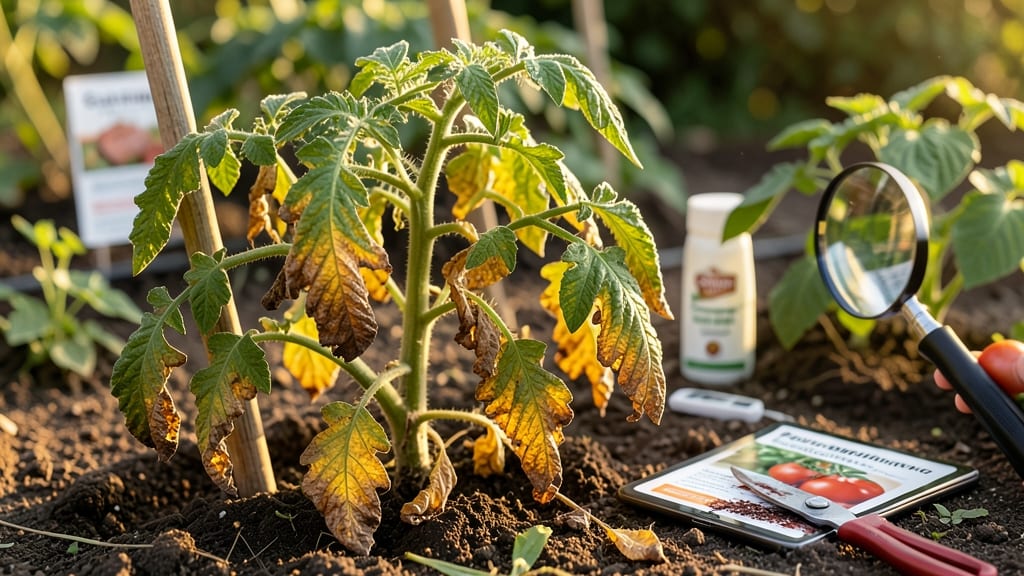
Your tomato plants might be silently dying from fusarium wilt—look at these fusarium wilt tomato pictures to spot the early signs: yellowing leaves and wilted vines that don’t bounce back, even when watered. 🌱 I’ve seen this fungal disease turn thriving plants into sad, stunted skeletons in just weeks, and the worst part?
It’s often misdiagnosed as drought or nutrient deficiency. The first sign is usually one side of the plant wilting while the other stays green—classic fusarium behavior. Stem cross-sections reveal dark streaks (like rotten wood) when the disease has taken hold.
Without action, the fungus spreads through soil and water, infecting everything in its path. You can save healthy plants by removing infected ones immediately (roots and all) and sterilizing tools between cuts. Solarizing soil or planting resistant varieties like ‘Mountain Merit’ or ‘Defiant PhR’ cuts reinfection risk by 70%.
Prevention starts with clean soil—rotate crops, avoid overwatering, and test pH (fusarium thrives in acidic soil). Here’s how to stop it before it spreads further.
Root Causes Of Tomato Wilt
Fusarium wilt in tomatoes isn’t just a random misfortune—it’s the result of a perfect storm of environmental, biological, and agricultural factors. Understanding these root causes is the first step to preventing the disease from taking over your garden.
Let’s break down the key triggers that turn your healthy tomato plants into wilted casualties.
Fusarium oxysporum f. sp. lycopersici, the fungus behind tomato wilt, is a soil-dwelling opportunist. Unlike some pathogens that rely on living hosts, this fungus can survive in the soil for years as dormant spores or mycelium, waiting for the right conditions to strike.
- Long-term infestation: If previous crops (especially tomatoes, peppers, or eggplants) were infected, the fungus lingers in the soil, multiplying in organic matter like old plant debris.
- Waterlogged or compacted soil: Poor drainage creates anaerobic zones where the fungus thrives. Actionable fix: Test your soil’s drainage—amend with compost or sand if needed.
- High organic matter: While compost is great, fresh manure or over-fertilized soil can fuel fungal growth. Pro tip: Use well-aged compost (6+ months) to reduce risks.
Tomatoes under stress are vulnerable gateways for Fusarium. When plants struggle to defend themselves, the fungus exploits their weakened state.
- Extreme heat: Temperatures above 85°F (29°C) suppress the plant’s immune response, making roots more susceptible to infection. Solution: Use shade cloth or mulch to regulate soil temps.
- Poor nutrition: Deficiencies in potassium (K) or phosphorus (P) weaken cell walls, while excess nitrogen (N) promotes lush but fragile foliage. Fix: Balance fertilizers with a low-N, high-K blend (e.g., 5-10-10).
- Root damage: Physical stress from overwatering, transplant shock, or mechanical injury (like rough handling) creates entry points for the fungus.
Fusarium isn’t just hiding in the soil—it can hitchhike on unsuspecting tools and plants.
- Dirty pruners or shovels: Moving soil from infected areas to healthy plants spreads spores. Prevent it: Sterilize tools with 70% alcohol or bleach solution between uses.
- Infested seedlings: Buy from reputable nurseries and inspect roots for discoloration before planting. Red flag: Avoid seedlings with dark, mushy roots or stunted growth.
- Crop rotation failures: Planting tomatoes, peppers, or eggplants in the same spot year after year (without a 3+ year break) lets the fungus build up. Rule of thumb: Rotate with non-hosts like beans, grasses, or brassicas.
Water isn’t just a resource—it’s a delivery system for Fusarium spores.
- Overhead watering: Splashing soil onto leaves spreads spores to stems, where they can infect vascular tissues. Switch to: Drip irrigation or soaker hoses to keep foliage dry.
- Inconsistent moisture: Alternating between drought and flood stresses roots, making them more susceptible. Goal: Maintain even moisture (1–2 inches of water per week) without waterlogging.
- Recycled water risks: Using untreated runoff or compost tea from infected plants can reintroduce spores. Safeguard: Boil or pasteurize water if sourcing from unknown origins.
Not all tomato varieties are equal in the face of Fusarium. Some are genetically predisposed to succumb faster.
- Susceptible varieties: Classic heirlooms like Brandywine or Cherokee Purple are highly vulnerable, while hybrids like Mountain Merit or Defiant PhR have partial resistance. Action: Choose Fusarium-resistant (Ph) varieties for high-risk areas.
- Young or old plants: Seedlings and over-mature plants have weaker defenses. Strategy: Start with healthy transplants and harvest before plants show signs of aging.
- Disease pressure buildup: In greenhouses or urban gardens, high plant density accelerates spore spread. Space plants: 18–24 inches apart for airflow.
Some regions are hotspots for Fusarium due to their microclimates.
- Humid climates: Areas with high humidity (70%+) and warm nights create ideal fungal growth conditions. Mitigate: Improve airflow with trellises or pruning.
- Urban heat islands: Concrete and pavement raise soil temps, stressing plants. Cool roots: Mulch with straw or wood chips (3–4 inches deep).
- Low-lying or poorly drained soils: Water doesn’t drain away, keeping roots saturated. Test & fix: Amend soil with gypsum or create raised beds if drainage is poor.
Sometimes, Fusarium gets a helping hand from other garden troublemakers.
- Root-knot nematodes: These microscopic worms damage roots, creating entry points for the fungus. Test soil for nematodes and treat with neem oil or beneficial nematodes (Steinernema).
- Aphids or whiteflies: While they don’t cause wilt directly, their honeydew can attract sooty mold, which stresses plants. Control: Spray with insecticidal soap or introduce ladybugs.
- Competing weeds: Weeds like nightshade or bindweed harbor Fusarium and compete for nutrients. Eliminate: Pull weeds and solarize soil in late summer to kill pathogens.
Fusarium wilt thrives on weakness and opportunity. By addressing soil health, plant stress, water practices, and resistant varieties, you can starve the fungus of its ideal conditions. The goal? Remove the fuel**—whether it’s poor drainage, over-fertilization, or neglected crop rotation—and watch your tomatoes fight back. 🚜🌿
Stop Fusarium Wilt in Tomatoes Now
Fusarium wilt can devastate your tomato plants, but with the right approach, you can save your harvest and protect future crops. The key is acting fast—once symptoms appear, the fungus is already spreading through your soil.
Below, we break down practical solutions tailored to the root causes, from immediate fixes to long-term prevention.
If you spot yellowing leaves, wilting, or vascular discoloration (common signs of fusarium wilt), do not compost or leave the plants in the soil. The fungus survives in plant debris for years.
- 🍳 Dig up infected plants (including roots) and bag them for disposal.
- 👨🍳 Do NOT add them to compost piles—the heat won’t kill fusarium spores.
- ⏰ Time it right: Remove plants before sunset to prevent spores from spreading via wind or splashing water.
Pro Tip: 💡 If possible, burn or trash infected plants—do not rely on municipal compost programs, as they may not reach high enough temperatures to kill the fungus.
Fusarium thrives in soil where tomatoes, peppers, eggplants, or other solanaceae have grown recently. Crop rotation is your best defense.
- 🌿 Wait 3–5 years before replanting tomatoes in the same spot.
- 🥗 Plant non-host crops in the meantime, like beans, corn, or grasses, which disrupt the fungus’s life cycle.
- 🎯 If space is limited, use container gardening with fresh, sterile potting mix.
Pro Tip: 🌡️ Test your soil before replanting—some nurseries sell fusarium-resistant tomato varieties (like 'Mountain Merit' or 'Defiant PhR').
Fusarium loves compacted, waterlogged soil. Fixing drainage reduces stress on plants and makes them less susceptible.
- ✨ Amend soil with compost, perlite, or coarse sand to improve aeration.
- 💧 Water deeply but less often—avoid overhead sprinkling, which spreads spores.
- 🔪 Install raised beds if your soil drains poorly, or add gravel layers beneath containers.
Pro Tip: 🔥 Mulch with straw or wood chips (not fresh grass clippings) to keep soil moist but not soggy.
While no fungicide fully eradicates fusarium, some can suppress it and buy time for resistant plants.
- 🍄 Apply biological fungicides like Trichoderma harzianum (a beneficial fungus that outcompetes fusarium).
- 💊 Use chemical fungicides (e.g., phosphite-based products) only as a last resort—they’re not a cure but can slow spread.
- 🌱 Solarize soil in late summer: Cover beds with clear plastic for 4–6 weeks to bake out spores (works best in hot climates).
Pro Tip: ⚠️ Avoid copper-based sprays—they can harm beneficial microbes and don’t work on fusarium.
The best offense is a strong defense. Follow these long-term strategies to keep fusarium at bay:
| Prevention Step | How to Do It | Why It Works |
|---|---|---|
| 🌱 Choose resistant varieties | Pick Ph (Phytophthora-resistant) or Fusarium-resistant tomatoes | These plants have genetic defenses. |
| 🌿 Practice clean gardening | Sterilize tools, avoid contaminated water, and remove weeds | Reduces spore sources. |
| 🧼 Disinfect containers & tools | Soak in 10% bleach solution or rubbing alcohol between uses | Kills lingering spores. |
| 🌞 Grow in sterile potting mix | Use new, disease-free soil for containers | Prevents soilborne pathogens. |
Pro Tip: ✨ Interplant with marigolds—some studies suggest they repel nematodes that help fusarium spread.
If fusarium is widespread in your garden, consider:
- 🌍 Testing soil at a local extension office for fungal load.
- 💰 Consulting a plant pathologist for severe cases.
- 🏡 Switching to container gardening if soil is heavily contaminated.
Final Reminder: Fusarium wilt is manageable but not curable—prevention is your best weapon. Act fast, rotate crops, and keep your garden healthy to protect your tomato harvest for years to come. 🍅💪
Frequently asked questions about tomato wilt identification
How can I tell if my tomato plant has fusarium wilt just by looking?
Look for one-sided wilting where leaves droop but don't recover when watered. Check the stem—cut a cross-section to see dark brown vascular streaks (like rotten wood). The top leaves often turn yellow first while lower leaves stay green, a classic sign.
Can fusarium wilt affect other plants besides tomatoes?
Yes! This fungus targets the Solanaceae family, including peppers, eggplants, and potatoes. Even basil and spinach can show symptoms. The key difference is tomatoes are its primary host—removing infected tomato plants helps protect other crops.
Why do some tomato varieties get wilt while others don't?
Resistant varieties like 'Mountain Merit' or 'Defiant PhR' have genetic defenses against the fungus. Susceptible heirlooms (like Brandywine) lack these protections. The difference comes down to plant breeding—resistant types can "wall off" the fungus better.
Will my tomato plants recover if I treat fusarium wilt early?
Unfortunately, no—once symptoms appear, the fungus is already established in the plant's vascular system. The best you can do is remove infected plants immediately to prevent spread. Focus on saving healthy plants by improving soil health and using resistant varieties next season.
How do I know if my soil is still contaminated after removing infected plants?
Test your soil at a local extension office for fungal presence. In the meantime, practice 3-5 years of crop rotation with non-host plants (like beans or grasses) and consider solarizing soil (covering with clear plastic for 4-6 weeks in summer) to kill remaining spores.