
Companion Plants
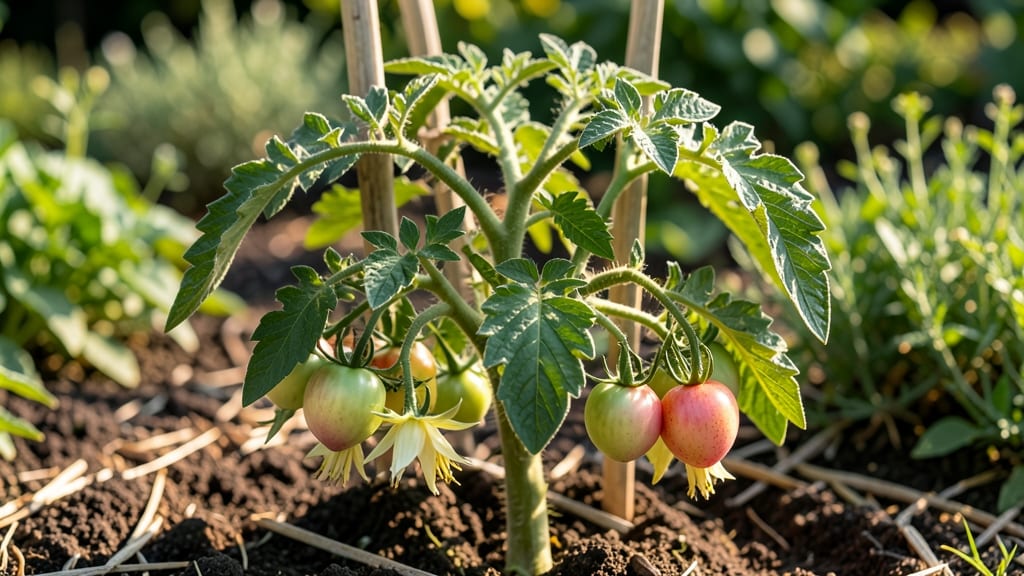
Growing German Pink tomato plants means disease-resistant, flavor-packed harvests that outperform most store-bought varieties. 🌱 I planted mine last spring after reading about their legendary resistance to blight and cracking—now I’m hooked on the sweet, tangy fruits that keep producing until frost.
These tomatoes thrive in full sun (6+ hours daily) and well-draining soil with a pH of 6.0-6.8. Space plants 18-24 inches apart in rows 3 feet apart to prevent crowding, which spreads disease. They’re especially suited for cool climates (Zones 3-10), where heat-sensitive varieties often fail.
Once established, they reward you with low-maintenance care: water at the base (not leaves), prune suckers to focus energy on fruit, and stake them early to avoid sprawl. The flavor? A perfect balance of sweet and smoky, with thick skins that resist splitting even in heavy rain.
Harvest begins 70-80 days after transplanting, and the plants keep yielding until frost. Store ripe tomatoes at room temperature for up to a week, or refrigerate for longer shelf life. Here’s how to grow them like a pro!
📚 In This Guide
- What you need
- Instructions
- Tips and common mistakes
- Wrapping up and next steps
What you need
- ● German Pink tomato seeds or seedlings – 3–5 plants (or 1–2 per container if growing in pots).
- ● High-quality potting mix – 5–10 gallons (or a bagged organic blend like Miracle-Gro Organic Choice).
- ● Containers or garden bed – At least 12" deep and wide (for pots) or well-draining soil (for in-ground planting).
- ● Fertilizer – Balanced organic fertilizer (e.g., Fish emulsion or 5-5-5 tomato food).
- ● Stakes or cages – 5–6 ft tall (tomatoes grow indeterminate!).
- ● Mulch – Straw or shredded leaves (2–3 inches) to retain moisture.
- ● Gloves & trowel – For planting and soil prep.
- ● Watering can or hose – With a gentle spray nozzle.
- ○ Pruning shears – For trimming suckers (optional but helpful).
- ● Sunlight access – 6–8+ hours of full sun daily.
- ○ Optional extras: Drip irrigation system for consistent watering.
- ● Companion plants (e.g., basil or marigolds) to deter pests.
- ● Grow lights (if starting indoors early).
Step-by-step guide to growing German Pink tomato plants
This heirloom variety thrives with the right care—here's how to nurture it from seed to fruit.
🌱 Step 1: Start Seeds Indoors 6-8 Weeks Before Last Frost
German Pink tomatoes need warmth to germinate, so begin indoors using sterile seed-starting mix in 2-3 inch deep pots. Fill each container to 1 inch below the rim and press the mix down lightly—just enough to remove air pockets without compacting it. You'll want the soil to feel like a damp sponge when squeezed.
Plant 2-3 seeds per pot at a depth of ¼ inch, then cover lightly with additional mix. Mist the surface until evenly moist but not soggy. Place the pots in a seedling heat mat set to 75-85°F—this ensures germination in 7-10 days. I always label my pots with the variety and date because seedlings look identical until they sprout.
Keep the pots covered with a humidity dome or plastic wrap until germination. Check daily for condensation—if it disappears, mist again. Once 50% of seeds have sprouted, remove the cover immediately to prevent damping-off disease, which can kill seedlings overnight.
☀️ Step 2: Provide Optimal Light and Harden Off Seedlings
German Pinks need 14-16 hours of light daily to prevent leggy growth. Move seedlings under a full-spectrum LED grow light positioned 2-4 inches above the plants as soon as they emerge. Raise the light as they grow to maintain that distance—you'll see strong, compact seedlings with deep green leaves.
Two weeks before your last frost date, begin hardening off. Start by placing seedlings outside in a sheltered, shaded spot for 1-2 hours the first day. Gradually increase their time outdoors by 1 hour daily over 10-14 days. This toughens their stems and leaves so they can handle garden conditions without shock.
Watch for signs of stress like wilting or yellowing leaves—these indicate they're not ready for full sun yet. A good rule of thumb is to keep them in partial shade until they tolerate a full day outside without wilting.
🪴 Step 3: Transplant to the Garden with Proper Spacing
Choose a sunny location with 6-8 hours of direct sun daily. German Pinks need 18-24 inches apart in rows spaced 3 feet apart to allow airflow and prevent disease. Dig holes slightly deeper than the seedling pots to accommodate their root systems without bending stems.
Water the soil thoroughly before transplanting, then remove seedlings from their pots and loosen the roots if they're circling. Place each seedling in its hole, firm the soil around the base, and water deeply. The soil should settle 1 inch below the stem—this encourages stronger root growth.
Mulch around the base with 2-3 inches of organic mulch to retain moisture and suppress weeds. Avoid piling mulch against the stems, as this can trap moisture and invite disease. Water at the base daily for the first week to help roots establish.
💧 Step 4: Maintain Soil Moisture and Fertility
German Pinks are disease-resistant but still need consistent moisture. Water deeply 1-2 times per week, aiming for 1-1.5 inches of water per week. Let the soil dry slightly between waterings—you'll know it's time when the top 1-2 inches feel dry to the touch. Overwatering leads to blossom-end rot, so balance is key.
Feed plants every 2-3 weeks with a balanced 10-10-10 fertilizer or compost tea. You'll notice new growth and larger leaves after the first feeding—this signals the plants are thriving. Reduce nitrogen as flowers appear to encourage fruiting instead of leafy growth.
Prune suckers (the small shoots that form in the leaf axils) regularly to direct energy to fruit production. Remove any yellow or diseased leaves immediately to prevent spread. A well-maintained German Pink plant will reward you with heavy, disease-resistant fruit all season.
✂️ Step 5: Harvest and Support for Continuous Production
German Pink tomatoes ripen over time, so harvest when they turn a deep pink color and yield slightly to gentle pressure. Use pruning shears to avoid damaging the vine. The first fruits appear 60-70 days after transplanting, but the plant continues producing until frost.
Support the vines with a 6-foot tomato cage or sturdy stakes as they grow. This prevents sprawling and improves airflow. You'll see fewer diseases and easier harvesting when plants are upright. Pinch off the first flower cluster if your plant is small—this encourages stronger growth before fruiting.
Continue watering and fertilizing through the season, and you'll enjoy a steady harvest of sweet, disease-resistant German Pink tomatoes. Store ripe fruits in the refrigerator for up to 2 weeks or use them fresh in salads and sauces.
Tips & tricks for German Pink tomato plants
Took me years to perfect my German Pink tomato care—here are the secrets that make all the difference.
Germination Success: The 75-85°F heat mat range is non-negotiable for germination. If your home stays cooler, consider using a small greenhouse or placing pots on top of the fridge. I've found that maintaining consistent warmth prevents uneven sprouting—some seeds might germinate in 5 days while others take 12, but the heat mat ensures all seeds get the same start.
Lighting Strategy: Those 14-16 hours of daily light are critical for preventing leggy seedlings. I use a full-spectrum LED grow light on a timer to automate this process, which saves me from remembering to turn lights on/off daily. Position the light 2-4 inches above the seedlings and adjust as they grow—this creates stocky plants with strong stems ready for transplanting.
Transplanting Technique: When transplanting, the "1 inch below the stem" soil level is key for preventing disease. I make a small trench around each plant to guide water directly to the roots without wetting the leaves. This simple step dramatically reduces the risk of fungal issues that often plague tomato plants after moving outdoors.
Watering Wisdom: The 1-1.5 inches of water per week guideline works perfectly in most climates, but I've learned to adjust based on rainfall. Use a rain gauge or tuna can to measure water—it's shocking how much less rain actually reaches the ground compared to what the weather report predicts. Mulching with 2-3 inches of organic material helps maintain this moisture balance while suppressing weeds.
Pro Tips for German Pink Tomato Plants
- Took me years to perfect my German Pink tomato care—here are the secrets that make all the difference.
- Germination Success: The 75-85°F heat mat range is non-negotiable for germination.
- Lighting Strategy: Those 14-16 hours of daily light are critical for preventing leggy seedlings.
Frequently asked questions
Got questions about growing German Pink tomato plants? You’re not alone!
Here are answers to the most common queries—from planting tips to troubleshooting—so you can grow a thriving, disease-resistant harvest with confidence.
When is the best time to plant German Pink tomato seeds or seedlings?
German Pink tomatoes thrive in warm soil, so wait until after the last frost when nighttime temps stay above 55°F (13°C). Start seeds indoors 6–8 weeks before transplanting, or buy seedlings from a nursery. For cooler climates, use black plastic mulch to warm the soil faster!
How do I prevent common diseases like blight or early rot in German Pink tomatoes?
This variety is disease-resistant, but proper care helps! Space plants 2–3 feet apart for airflow, water at the base (not leaves), and remove fallen fruit. Use copper fungicide preventatively if your area has a history of blight. Companion plants like basil or marigolds can also deter pests!
Are German Pink tomatoes good for containers? What’s the ideal pot size?
Yes! They adapt well to containers but need at least 5-gallon pots (bigger is better). Use a lightweight potting mix with compost, and add a tomato cage or trellis for support. Dwarf varieties like ‘German Pink’ do well in pots, but they’ll still need consistent watering—containers dry out faster!
How long does it take for German Pink tomatoes to produce fruit?
From seed, expect 70–85 days to harvest, while seedlings may fruit in 60–75 days. Warmth and sunlight speed things up! Prune suckers early to focus energy on fruit production. Patience pays off—these beauties are worth the wait for their sweet, pink-gold flavor!
What can I plant near German Pink tomatoes to improve growth?
German Pink tomatoes love companions! Try basil, marigolds, or onions to repel pests, or carrots and lettuce for shade-friendly neighbors. Avoid planting with corn, fennel, or brinjals, as they compete for nutrients. A well-planned garden keeps your tomatoes happy and productive!
Wrapping up and next steps
Growing German Pink tomato plants is a rewarding way to enjoy a delicious, disease-resistant harvest with minimal fuss. Their vibrant color, sweet flavor, and resilience make them a standout choice for both beginner and seasoned gardeners.
Whether you’re expanding your garden or experimenting with new varieties, these tomatoes are a fantastic addition!
Ready to grow? Start by selecting healthy seedlings or seeds, then follow the planting tips you’ve learned. Before you know it, you’ll be savoring homegrown German Pink tomatoes straight from the vine—what’s not to love? 🌱🍅