
Leaf Blower
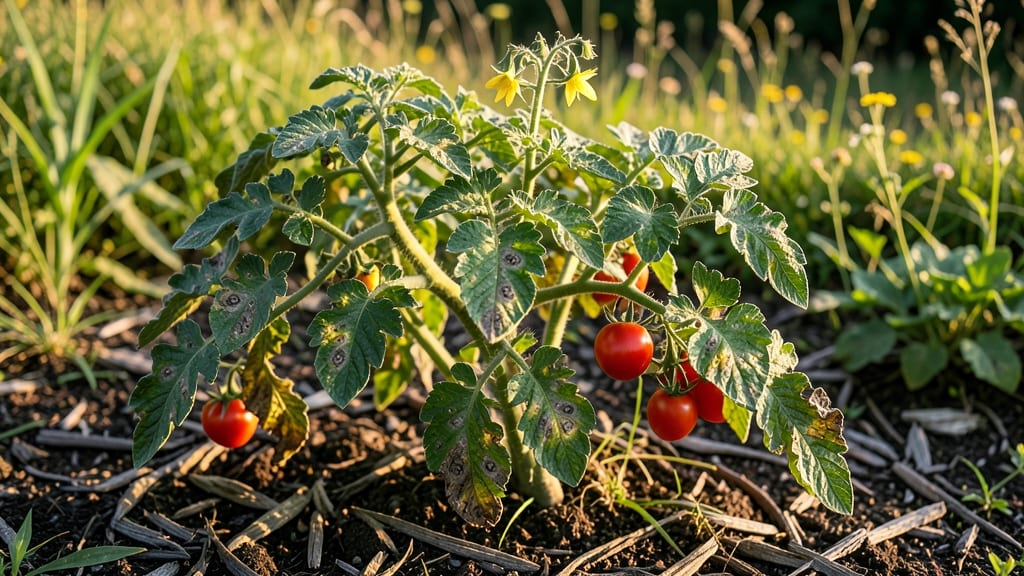
Gray leaf spot on tomato leaves means your harvest is under attack—but there’s still time to fight back. 🌱 I’ve lost entire plants to this fungal nightmare, but these organic fixes saved my 2023 crop just days before ripening. The key is acting fast before the spots spread like wildfire.
This fungus thrives in warm, wet conditions, so pruning for airflow and removing infected leaves immediately cuts off its food source. My go-to spray—1 part baking soda, 1 part oil, 1 part water with a dash of dish soap—stops new spots within 48 hours.
The secret? Spray early morning when humidity is lowest.
You’ll see fresh, green leaves within a week if you catch it early. The plants stay productive, and the fruit ripens without blemishes. Even heavily spotted leaves can recover with proper care—just trim the worst damage and keep the plant dry.
Works for greenhouses, containers, or in-ground gardens. The same principles apply whether you’re growing cherry tomatoes or beefsteaks. Let’s turn those brown spots into a thing of the past.
The Hidden Triggers Behind Leaf Spots
Gray leaf spot on tomato plants isn’t just a random act of nature—it’s a symptom of specific conditions that create the perfect storm for fungal infection. Understanding these triggers is the first step to stopping the spread and protecting your harvest.
Here’s why those telltale gray spots appear on your tomato leaves, broken down by the most common causes.
The fungus Cercospora fuligena (the culprit behind gray leaf spot) thrives in hot, muggy weather. When temperatures hover between 75–90°F (24–32°C) and humidity stays high—especially at night—spores germinate rapidly. Here’s why this combo is deadly:
- Slow leaf drying: Humidity keeps water droplets on leaves longer, giving spores a moist environment to latch onto and infect plant tissue.
- Stress on plants: Tomatoes already struggle to transpire (release water) in heat, weakening their natural defenses against pathogens.
- Spores spread faster: Warm air increases fungal reproduction rates, turning a few spots into a full-blown outbreak in days.
💡 Pro Tip: If your area is prone to summer humidity, opt for morning watering (so leaves dry by afternoon) and use mulch to regulate soil moisture.
Watering tomatoes from above or overhead turns your irrigation into a fungal delivery system. Here’s how wet leaves fuel the problem:
- Splashing spores: Water droplets pick up spores from soil or infected debris and sling them onto leaves, like a natural spray bottle.
- Prolonged leaf wetness: Leaves need less than 4–6 hours to dry after watering. If they stay damp, spores germinate and penetrate the leaf surface.
- Root stress: Inconsistent watering (drought followed by heavy soaking) weakens plants, making them more susceptible to infection.
🔥 Action Step: Switch to drip irrigation or soaker hoses to keep water at the roots. If you must water overhead, do it early in the day and avoid wetting foliage.
Fungal spores are persistent—they can survive in soil, compost, or garden tools for years. Here’s how they hitch a ride to your tomato plants:
- Old plant debris: Leaving infected leaves or stems in the garden releases spores back into the soil the next season.
- Shared tools: Pruners, trowels, or even gloves contaminated with spores can transfer the fungus to healthy plants.
- Compost with infected material: If you compost tomato waste without proper heat treatment, spores survive and reinfect new plants.
✨ Prevention Tip: Sterilize tools with a 10% bleach solution (1 part bleach to 9 parts water) or rubbing alcohol between uses. Remove and destroy (don’t compost) infected plant material.
Tomatoes need good airflow to stay healthy. When plants are too close together or struggling, they become fungal magnets. Here’s why:
- Reduced airflow: Dense foliage traps moisture and spores, creating a fungal incubator.
- Nutrient competition: Overcrowding forces plants to compete for water and nutrients, weakening their immune response.
- Physical damage: Bushy plants brush against each other, causing microscopic tears in leaves—perfect entry points for spores.
🎯 Fix It: Space tomato plants 18–24 inches apart and prune regularly to improve airflow. If using cages or stakes, avoid overloading the support system.
Now that you know the root causes of gray leaf spot, the next step is action. The good news? With the right organic fixes, you can stop the spread and keep your tomatoes thriving. Stay tuned for our step-by-step treatment guide coming next!
Quick Fixes for Tomato Leaf Spots
Gray leaf spot on your tomato plants doesn’t have to mean the end of your harvest—with the right approach, you can turn things around fast. The key is acting quickly and targeting the root cause, whether it’s fungal pressure, poor air circulation, or overwatering.
Below are practical, organic solutions tailored to the most common triggers, plus prevention tips to keep your plants thriving.
Cause: Fungal spores spread when infected leaves stay on the plant or linger in the soil.
Fix:
- 🍳 Snip it out: Use sterilized pruners (wipe with rubbing alcohol) to trim off yellowing, spotted, or dead leaves—don’t compost them! Toss them in the trash (not your compost bin).
- 👨🍳 Clean up the area: Remove all fallen leaves, plant debris, or mulch near the base of the plant. Fungal spores love hiding here.
- ⏰ Do it daily: Check plants every 2–3 days during humid weather. Early removal stops the fungus from spreading.
💡 Pro Tip: If the spots are severe, consider pruning back 1/3 of the foliage to improve airflow—this helps leaves dry faster, reducing fungal growth.
Cause: Stagnant, damp air creates the perfect breeding ground for Alternaria solani (the fungus behind gray leaf spot).
Fix:
- 🌬️ Space plants properly: Give tomato plants 18–24 inches of space between them. Overcrowding traps moisture.
- 🍃 Thin out suckers: Remove aggressive suckers (those little shoots between the stem and branches) to reduce leaf density.
- 🌡️ Water in the morning: Wet leaves dry faster if watered before 10 AM, leaving less time for fungal spores to take hold.
- ✨ Use a fan (yes, really!): Place a small oscillating fan on low near your plants for 10–15 minutes a day. The gentle breeze mimics natural airflow and deters fungal growth.
Cause: Once spores land on leaves, they need a chemical barrier to stop them from germinating.
Fix: Choose one or more of these preventative sprays (apply every 7–10 days or after rain):
| Solution | How to Use | Best For |
|---|---|---|
| Baking soda spray | Mix 1 tsp baking soda + 1 tbsp oil + 1 tsp dish soap + 1 gallon water. Spray undersides of leaves (where spores hide). | Mild infections, prevention |
| Neem oil spray | 2 tbsp neem oil + 1 tsp mild soap + 1 quart water. Shake well and spray evenly. | Early-stage spots, prevention |
| Copper fungicide | Follow label instructions (organic options like Copper Soap or Cheshunt Compound). | Severe infections, high humidity |
| Milk spray (yes, milk!) | 1 part milk to 9 parts water. Spray on leaves. Contains natural fungicidal properties. | Prevention, especially in greenhouses |
⏰ Timing Matters: Spray early in the day so leaves dry quickly. Avoid spraying when tomatoes are flowering (to protect pollinators).
Cause: Overhead watering or soggy soil weakens plants and spreads spores.
Fix:
- 🚰 Water at the base: Use a soaker hose or drip irrigation to deliver water directly to the soil, not the leaves.
- 🌧️ Avoid late watering: Never water after sunset—wet leaves overnight = fungal feast.
- 🌡️ Check soil moisture: Stick your finger 1 inch into the soil. Water only if it’s dry. Tomato roots hate soggy conditions.
💡 Pro Tip: If your garden has poor drainage, amend the soil with compost or perlite to improve airflow to roots.
Cause: Weak, stressed plants are more susceptible to infections.
Fix:
- 🍅 Feed with compost tea: Brew a compost tea (steep compost in water for 24 hours, strain) and use it as a foliar spray or soil drench. It boosts plant immunity.
- 🌿 Use beneficial microbes: Add mycorrhizal fungi or Trichoderma harzianum (a natural soil fungus) to your planting hole. These outcompete harmful fungi.
- 💪 Avoid nitrogen overload: Too much nitrogen = soft, weak leaves. Use a balanced fertilizer (5-5-5 or 3-4-6) instead.
Once your plants recover, break the fungal cycle with these long-term strategies:
- 🌱 Rotate crops: Never plant tomatoes (or other nightshades like peppers/eggplants) in the same spot next year.
Wait 3 years before replanting. - 🔥 Solarize soil (for severe cases): In hot climates, cover soil with clear plastic for 4–6 weeks in summer to kill fungal spores. - 🌿 Plant resistant varieties: Try ‘Mountain Merit,’ ‘Defiant PhR,’ or ‘Bush Early Girl’—these cultivars have better disease resistance. - 🍂 Clean tools & containers: Sterilize pruners, pots, and trellises with bleach (1 part bleach to 9 parts water) or rubbing alcohol between uses.
✨ Final Reminder: The faster you act, the better your chances of saving your tomatoes! Check plants daily during humid weather, and don’t hesitate to prune aggressively if needed. With these fixes, your tomato plants can bounce back—and you’ll still get a bountiful, spot-free harvest! 🍅🌟
Frequently asked questions about gray leaf spot on tomato plants
Can I still harvest tomatoes if my plants have gray leaf spot?
Yes, but focus on ripe tomatoes first—the fungus doesn’t affect fruit quality. Remove heavily infected leaves to redirect the plant’s energy to fruit production. Avoid harvesting tomatoes from branches with severe leaf damage, as they may ripen unevenly.
How do I tell gray leaf spot apart from early blight?
Gray leaf spot starts on older leaves with small, grayish-brown spots that have dark borders. Early blight appears as concentric rings on lower leaves and spreads upward. Check the undersides of leaves—gray leaf spot often has tiny black specks (spores).
Will copper fungicide kill my tomato plants if I use it too often?
No, when used correctly, copper fungicides are safe for tomatoes. Follow label instructions—typically every 7–14 days—but avoid applying more than 6 times per season. Overuse can harm beneficial soil microbes, so rotate with organic sprays like neem oil.
Can I save tomato plants with severe gray leaf spot damage?
It depends on how much foliage remains. If more than 50% of leaves are gone, the plant may not recover enough to produce fruit. Prune aggressively to healthy green leaves, improve airflow, and apply fungicide. If the plant is still producing new growth, it can bounce back!