
Companion Plants
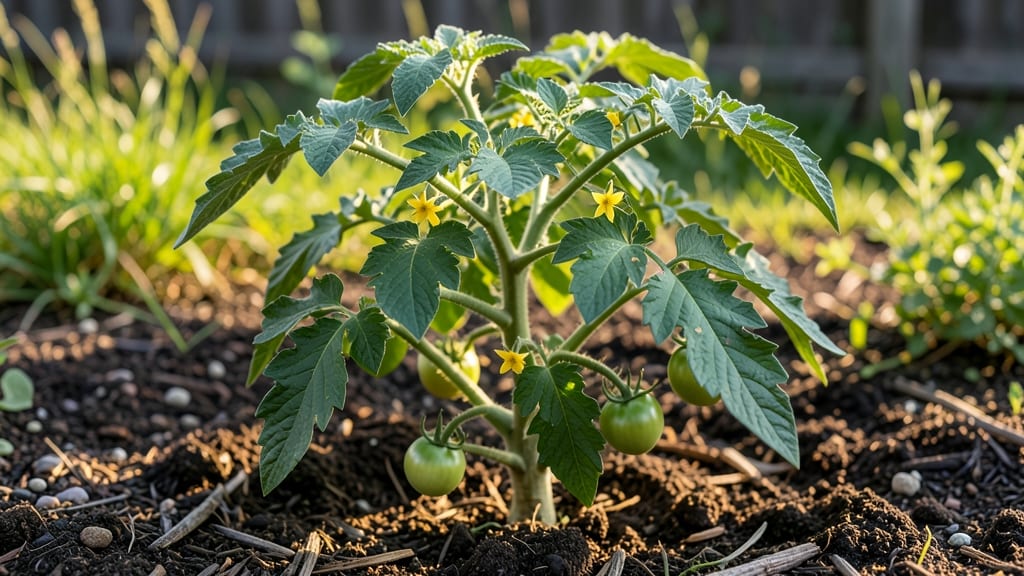
Growing tomato plants that climb taller than your fence starts with one simple choice: indeterminate varieties for endless vines or determinate for compact bushes. 🌱 I learned the hard way when my first determinate plants topped out at 3 feet—now my indeterminate 'Sungold' reaches my porch roof, producing fruit until frost.
The secret lies in matching plant size to your space and support system. Indeterminates need 6-10 foot cages or sturdy stakes, while determinates thrive in 4-foot cages or even hanging baskets. Both types demand full sun (6-8 hours daily) and rich, well-draining soil amended with compost.
By mid-summer, you'll be harvesting pounds of tomatoes—the indeterminates keep producing until frost, while determinates give a single massive harvest all at once. Prune regularly to improve airflow and fruit production, and watch for early signs of disease to keep plants thriving all season.
Works for containers, raised beds, or in-ground gardens. Here's how to get started with the variety that fits your space!
📚 In This Guide
- What you need
- Instructions
- Tips and common mistakes
- Wrapping up and next steps
What you need
- ● Seeds or seedlings: Choose your variety (indeterminate for vines, determinate for compact plants). Quantity: 2–4 plants per person (or 1 per 2–3 sq ft in containers).
- ● Potting mix or garden soil: Well-draining, rich in organic matter (e.g., compost or peat-based mix). Avoid: Heavy clay.
- ○ Containers (if not in-ground): 5-gallon pots or larger (indeterminate vines need more space—aim for 10+ gallons). Optional: Fabric grow bags for better drainage.
- ● Fertilizer: Balanced (10-10-10) or tomato-specific (high in phosphorus for flowering). Start with: 1 tbsp per plant at planting.
- ● Stakes or cages: Indeterminate: 6–8 ft tall stakes or tomato cages (6+ ft) (vines can grow 10+ ft!).
- ● Determinate: Shorter stakes (4–5 ft) or small cages (3–4 ft).
- ● Mulch: Straw, grass clippings, or shredded leaves to retain moisture and suppress weeds.
- ● Gloves & knee pads (for happy gardening!).
- ● Trowel or hand shovel (for transplanting).
- ● Watering can or hose with nozzle (gentle watering = happy roots!).
- ● Pruning shears (for trimming suckers—indeterminate varieties need this!).
- ● pH test kit (ideal soil pH: 6.0–6.8).
- ○ Optional but handy: Drip irrigation system (for consistent watering).
- ● Reflective mulch (to deter pests).
- ● Trellis or string (for extra support if staking).
- ● Sunlight: 6–8+ hours of full sun daily (no shade allowed!).
- ● Warmth: Soil temp 55°F+ (use row covers if planting early).
- ● Space: Indeterminate: 18–24" apart (or wider for sprawlers).
- ● Determinate: 24–36" apart (they’re bushy!).
- ● Patience: Tomatoes take 60–90 days to fruit (longer for heirlooms!).
Step-by-step guide to selecting and planting tomato varieties for maximum yield
Let’s cut through the confusion—these are the exact steps I use to choose and plant tomatoes that produce bushels.
🌱 Step 1: Choose Between Indeterminate and Determinate Types
Indeterminate varieties grow continuously until frost, producing fruit all season long. Look for names like 'Sungold' or 'Better Boy'—these vines can reach 10+ feet if properly supported. Determinate types, like 'Roma' or 'Celebrity,' stop growing at a fixed height (3-5 feet) and set fruit all at once, making them ideal for canning.
Here’s the thing—indeterminates need strong trellises or cages (I use 6-foot tall tomato towers), while determinates thrive in sturdy 3-foot cages. If you’re short on space or want quick harvests, determinates win. If you crave a steady supply all summer, go indeterminate.
☀️ Step 2: Plant in Full Sun After Last Frost
Tomatoes demand 6-8 hours of direct sunlight daily—no compromise. Wait until nighttime temperatures stay above 55°F before planting, as cold soil stunts root growth. I always test soil warmth by pressing my hand into the ground; if it feels cool to the touch, wait another week.
Dig holes twice as wide as the root ball but no deeper than the plant’s original soil line. This prevents root rot from buried stems. Mix in 2 cups of compost per hole to jumpstart growth, then water deeply before placing the plant. The soil should feel damp 1 inch below the surface after watering.
🪴 Step 3: Support and Prune for Optimal Airflow
Indeterminates need immediate support—I tie the main stem to a sturdy stake or cage with soft plant ties. Prune suckers (the shoots that grow between the stem and branches) when they’re 2-3 inches long to direct energy to fruit production. Determinates rarely need pruning, but I remove any diseased or yellowing leaves to prevent spread.
Here’s where it gets fun—watch for the first flower clusters (they’ll appear 4-6 weeks after planting). Pinch off the first few flowers if the plant looks stressed; you want strong vines before heavy fruiting begins. Once fruit sets, reduce pruning to avoid shocking the plant.
💧 Step 4: Water Deeply and Consistently
Tomatoes hate inconsistent moisture—deep watering every 2-3 days is key, especially during fruit set. The soil should dry slightly between waterings, but never let it crust over. I water at the base of the plant in the morning to prevent fungal diseases like blight, which thrives in damp foliage.
If your tomatoes split or develop blossom-end rot (blackened bottoms), you’re either overwatering or underwatering. Split fruit means too much water after a dry spell; blossom-end rot signals calcium deficiency, often from uneven moisture. Mulch with straw or grass clippings to retain soil moisture and regulate temperature.
✂️ Step 5: Harvest at Peak Ripeness for Best Flavor
Indeterminates produce fruit continuously, so check plants every 2-3 days starting 60-70 days after transplanting. Determinates release their entire harvest at once—expect 50-60 days for early varieties. Look for deep color (red, yellow, or purple, depending on the variety) and slightly soft skin when gently squeezed.
Don’t wait until fruit is overripe—tomatoes lose flavor and texture quickly once picked. Store harvested tomatoes at room temperature (not in the fridge) for up to 2 weeks. If you’re canning, harvest when the fruit is firm but fully colored—this ensures the best texture and flavor after processing.
Tips & tricks for perfect tomato plant growth
These practical insights will help you maximize your tomato harvest by understanding the nuances between indeterminate and determinate varieties—and avoiding common mistakes that can derail your garden.
The Height Factor: When selecting indeterminate varieties like 'Sungold' or 'Better Boy,' invest in 6-foot tall tomato towers right away—these vines will reach that height naturally. For determinate types such as 'Roma,' your 3-foot cages should be sturdy enough to support the weight of their concentrated harvest. I've seen many gardeners underestimate the weight of a fully loaded determinate plant, leading to collapsed cages. Use wooden stakes or metal cages with reinforced bases to prevent this.
Soil Temperature Secret: The 55°F nighttime temperature guideline is non-negotiable for root development, but here's what nobody tells you—soil temperature matters just as much as air temperature. Use a soil thermometer to confirm the soil is at least 60°F at planting depth. Cold soil can delay germination by weeks. If your soil is still chilly, consider using black plastic mulch 1-2 weeks before planting to warm it up naturally.
Pruning Precision: That 2-3 inch sucker size guideline for indeterminates is crucial, but timing matters too. Prune suckers in the morning when the plant is turgid with water—this makes the stems easier to remove cleanly. I also recommend sterilizing your pruners with rubbing alcohol between cuts to prevent spreading disease. For determinates, limit pruning to only removing diseased leaves—over-pruning can stress these plants, which already produce all their fruit at once.
Harvest Timing: The 60-70 day window for indeterminates and 50-60 day window for determinates are averages, but real-world conditions vary. If your growing season is shorter, opt for early-maturing varieties like 'Early Girl' (50 days) or 'Stupice' (55 days). For indeterminates, start checking for ripeness at 55 days—you might get lucky with early fruit! The key visual cue is when the fruit's shoulder (where it connects to the vine) softens slightly—this indicates the tomato is ready to be picked, even if the rest of the fruit isn't fully colored.
Pro Tips for Growing Tomato Plants
- These practical insights will help you maximize your tomato harvest by understanding the nuances between indeterminate and determinate varieties—and avoiding common mistakes that can derail your garden.
- The Height Factor: When selecting indeterminate varieties like 'Sungold' or 'Better Boy,' invest in 6-foot tall tomato towers right away—these vines will reach that height naturally.
- Soil Temperature Secret: The 55°F nighttime temperature guideline is non-negotiable for root development, but here's what nobody tells you—soil temperature matters just as much as air temperature.
Frequently asked questions
Got questions about growing tomato plants? You’re not alone! Here are answers to some of the most common queries—whether you're a first-timer or a seasoned gardener looking to refine your technique.
How long does it take for tomato plants to produce fruit?
Most tomato varieties take 60 to 85 days from transplanting to harvest, depending on the type. Indeterminate varieties (like 'Sungold') can keep producing all season, while determinate types (like 'Roma') yield a single, heavy harvest. Start seeds indoors 6-8 weeks before the last frost for the best timing!
Can I grow tomatoes in containers?
Tomatoes thrive in containers if you choose the right size (5-gallon minimum for determinate, 10+ gallons for indeterminate). Use a well-draining potting mix, provide stakes or cages, and ensure they get 6-8 hours of sunlight daily. Dwarf or bush varieties (like 'Tiny Tim') are ideal for small spaces.
What are the most common tomato plant pests, and how do I prevent them?
Watch for hornworms (chewing leaves), aphids (sticky residue), and blossom end rot (caused by calcium deficiency). Prevention tips:
- Use row covers early in the season.
- Handpick pests or introduce beneficial insects like ladybugs.
- Mulch to retain moisture and add crushed eggshells for calcium.
How often should I water tomato plants?
Tomatoes need 1-2 inches of water per week, especially during fruiting. Water deeply at the base (early morning is best) to avoid wetting leaves, which can cause disease. Let the soil dry slightly between waterings—consistency is key! Drip irrigation or soaker hoses work wonders.
What are the best companion plants for tomatoes?
Tomatoes love teamwork! Plant them alongside:
- Basil (repels pests and boosts flavor).
- Marigolds (deter nematodes).
- Onions/garlic (fight fungal diseases).
- Avoid planting near brassicas (kale, cabbage) or potatoes—they compete for nutrients.
Can I save seeds from my homegrown tomatoes?
Yes! Let a ripe tomato ferment in water for 2-3 days, then scoop out the seeds, rinse them, and dry them on a paper towel. Store in a cool, dark place for 1-2 years. Pro tip: Fermentation removes gel-like coatings that inhibit germination!
Wrapping up and next steps
Growing your own tomato plants is a rewarding journey—whether you’re nurturing indeterminate vines that reach for the sky or determinate bushes bursting with compact fruit. 🌱 The key? Understanding their unique needs, from sunlight and soil to pruning and support, ensures a bountiful harvest that rivals store-bought tomatoes.
With patience and the right techniques, you’ll savor the taste of homegrown success.
Ready to dive in? Start small—plant a few seeds or seedlings today, and let your green thumb guide you. Your first tomato isn’t just a plant; it’s the beginning of a delicious, self-sustaining adventure!