
Vegetables
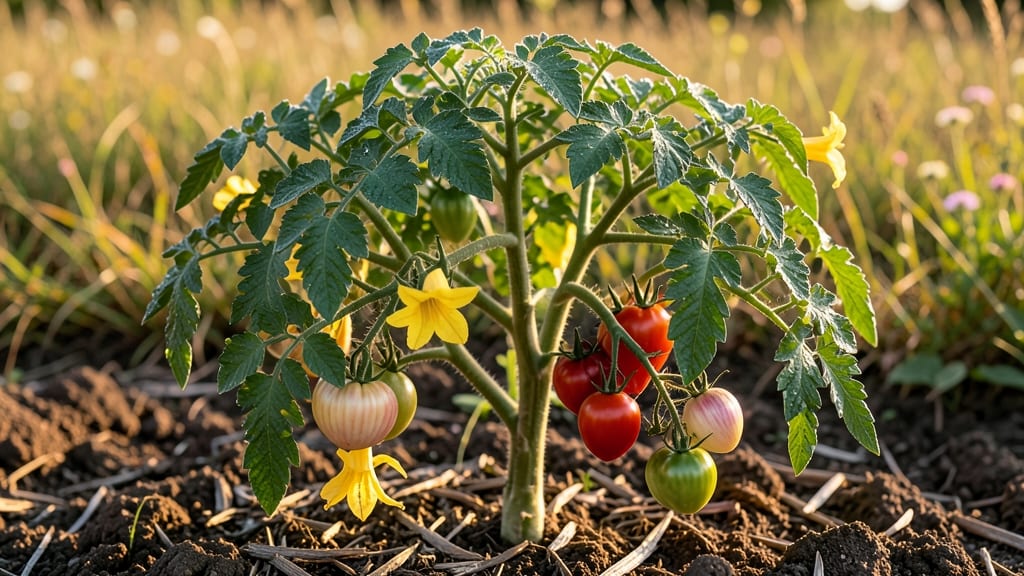
An heirloom tomato definition highlights varieties preserved through generations for their unique flavors, vibrant colors, and irregular shapes, differing from commercial hybrids.
These garden favorites thrive on natural genetic diversity, allowing each plant to develop unique characteristics like deep reds, yellows, or even striped patterns. 🌱 Unlike hybrids that rely on controlled breeding, heirlooms maintain their original traits when seeds are saved, creating a self-sustaining cycle for home gardeners.
The flavor difference is dramatic—many heirloom varieties develop complex, sweet notes that commercial tomatoes simply can't match, especially when grown in optimal conditions.
What makes heirloom tomatoes truly special is their connection to agricultural history. Many were developed by farmers and passed down through families, each variety telling a story of regional adaptation and culinary tradition.
While they may require more care than hybrids, their rewards go beyond taste—they offer a tangible link to sustainable gardening practices and the joy of growing something truly one-of-a-kind.
💡 In This Article
- Genetic and Botanical Traits of Heirloom Tomatoes
- Growing and Selecting Heirloom Tomato Varieties
Genetic and botanical traits of heirloom tomatoes
The defining genetic trait of heirloom tomatoes is their open-pollinated nature, meaning they reproduce true-to-type when seeds are saved. Unlike hybrid varieties, which result from crossbreeding two distinct parent plants to create a specific trait (like disease resistance or uniform shape), heirlooms rely on natural pollination—often by bees or wind.
This process preserves the plant's original genetic makeup, allowing each generation to develop the same unique characteristics as its ancestors.
Botanically, this genetic consistency translates to remarkable variation in physical traits. Heirloom tomatoes can range from 1-2 ounces (like the tiny 'Tiny Tim') to over 2 pounds (such as the massive 'Beefsteak' varieties).
Their shapes vary just as dramatically—some are perfectly round, others oblong, heart-shaped, or even square (like the 'Boxcar Willie'). Colors span the spectrum too, from deep purples and blacks to yellows, oranges, and striped patterns like the 'Green Zebra'.
These visual differences often correlate with flavor profiles, as pigmentation influences sugar content and acidity levels.
The flavor impact stems from their complex genetic diversity. Heirloom tomatoes typically contain higher levels of lycopene (the antioxidant responsible for red pigment) and sugars (up to 4% more than hybrids), which develop fully when grown in optimal conditions.
The trade-off? Their skins are often thinner and more prone to cracking, requiring careful handling. Commercial hybrids, bred for transport and shelf life, sacrifice some of this complexity for uniformity—resulting in tomatoes that often taste bland by comparison.
Seed viability is another critical difference. Heirloom tomato seeds remain fertile for years when properly stored (5-10°F and 30-50% humidity), allowing gardeners to preserve heirloom varieties indefinitely.
Hybrids, however, produce sterile seeds that won't grow true to the parent plant. This self-sustaining cycle is what makes heirlooms so valuable to both home gardeners and agricultural historians.
Consider the 'Brandywine' heirloom, for example—a variety developed in the 1800s that produces 12-16 ounce fruits with rich, meaty textures and flavors described as "tomatoey" with hints of sweetness. Its seeds can be saved and replanted year after year, maintaining these exact characteristics.
In contrast, a commercial hybrid like 'Celebrity' might produce uniform 4-6 ounce fruits with consistent but less complex flavors, designed specifically for grocery store shelves.
What most people don't realize is how these genetic traits directly affect growing conditions. Heirlooms often require more precise environmental conditions to thrive—like full sun (8+ hours daily) and well-draining soil with a pH between 6.0-6.8.
Their lack of built-in disease resistance means they need vigilant care against pests like blight, which is why many heirloom gardeners rotate crops annually and use organic pest controls. The reward?
Tomatoes that burst with flavor and aroma, often described as having "layers" of taste that commercial varieties simply can't match.