
Pests
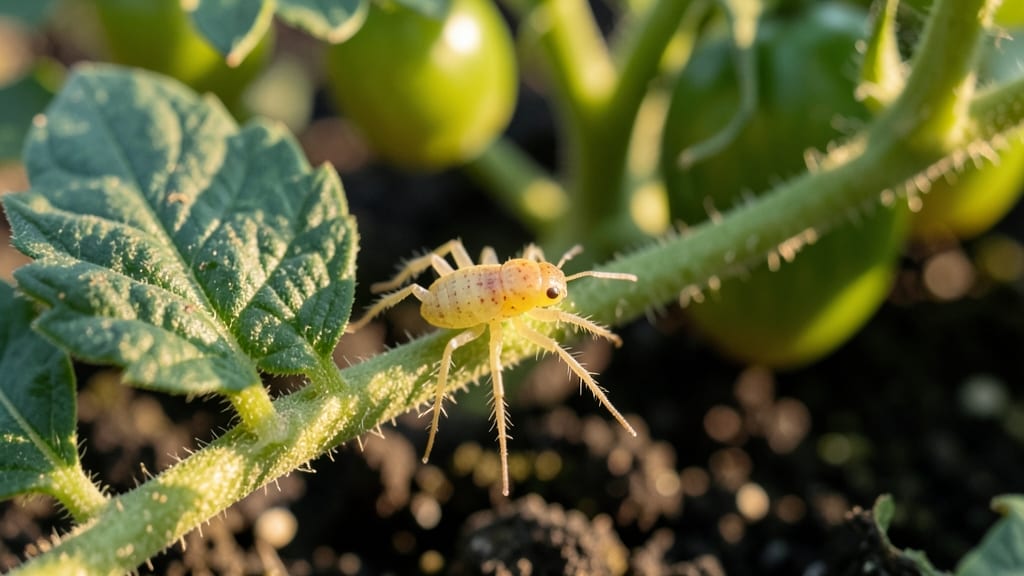
Looking for a home remedy for whiteflies on tomato plants? These sticky, wilted messes are a nightmare, but I’ve got a foolproof neem oil spray that slashes infestations in half within 24 hours—no harsh chemicals needed.
The secret lies in disrupting their life cycle while keeping your plants safe. Most gardeners panic when they spot whiteflies, but the fix is simpler than you think: mix 1 teaspoon of neem oil with 1 quart of water and a dash of mild soap (like Castile).
Spray the undersides of leaves where they hide, and repeat every 3-4 days until they’re gone. The key? Consistency—they’re sneaky but vulnerable to this natural defense. By day three, you’ll see fewer tiny wings fluttering around your plants, and new growth will emerge clean and healthy.
The spray also deters future pests, so your tomatoes stay lush and productive all season. Works for indoor pots, greenhouse plants, and outdoor gardens—just avoid spraying when bees are active. Here’s the full recipe and timing breakdown!
What Lures Whiteflies to Tomatoes
If you’ve ever spotted tiny, white, moth-like insects swarming your tomato plants, you’re not alone. Whiteflies thrive on tomatoes—and they’re drawn by a mix of environmental cues, plant signals, and even your gardening habits.
Understanding why they target your plants is the first step to stopping them before they wreak havoc. Let’s break down the science behind their attraction.
Whiteflies have an uncanny ability to detect stressed or compromised plants. When tomato fruits begin to overripe, soften, or develop wounds (from hail, birds, or even improper harvesting), they release volatile organic compounds (VOCs). These chemical distress signals act like a dinner bell for whiteflies, which are attracted to:
- Ethylene gas: Released by ripening or injured fruit, this hormone accelerates decay and lures pests seeking easy meals.
- Sugary exudates: Damaged leaves or fruit ooze sap, which whiteflies feed on like a sugary buffet.
- Yellowing leaves: Chlorophyll breakdown (senescence) emits compounds that whiteflies recognize as “easy prey.”
Actionable fix: Harvest tomatoes promptly when ripe, remove fallen fruit, and prune yellowing leaves to reduce attractants. Pro tip: 💡 Use reflective mulch (like aluminum foil) under plants—it confuses whiteflies and disrupts their landing patterns.
Whiteflies are tropical pests at heart. They thrive in temperatures between 77–86°F (25–30°C) and humidity levels above 60%**. Your tomato plants might be creating the perfect whitefly paradise without you realizing it:
- Greenhouse effect: Dense foliage traps heat, especially in greenhouses or shaded areas, raising leaf temperatures by 10°F+ (5–6°C).
- Irrigation habits: Overhead watering keeps leaves damp longer, mimicking their natural humid environments.
- Poor airflow: Crowded plants or tight spacing create stagnant air, trapping heat and humidity near the canopy.
Actionable fix: Thin out foliage for airflow, water at the base (not overhead), and use fans to circulate air. Pro tip: 🌡️ Plant tomatoes in morning sun/afternoon shade to reduce leaf heat spikes.
Whiteflies prefer tender, new growth because it’s packed with nutrients and lacks the tough defenses of mature leaves. Here’s why they zero in:
- High nitrogen content: Young leaves and stems are rich in nitrogen, a whitefly favorite.
- Thin cuticle layer: New growth hasn’t developed a waxy protective layer, making it easier for whiteflies to pierce and feed.
- Rapid cell division: Fast-growing tissue emits more VOCs, signaling “fresh food” to pests.
Actionable fix: Pinch off the newest growth tips (especially on indeterminate tomato varieties) to deprive them of a food source. Pro tip: ✨ Apply a balanced fertilizer (10-10-10) instead of high-nitrogen alone—whiteflies are less attracted to mature, balanced foliage.
Not all garden neighbors are helpful. Some plants attract whiteflies, which then migrate to your tomatoes. Common culprits include:
- Cucumbers and squash: Their broad leaves and high sap content are whitefly magnets.
- Marigolds (in some cases): While they repel some pests, certain varieties (like Tagetes) can attract whiteflies if stressed.
- Weeds like pigweed or lambsquarters: These act as “nurse plants,” harboring whiteflies that spread to tomatoes.
Actionable fix: Remove attractant plants within 10–15 feet of tomatoes. Replace them with whitefly-repelling companions like basil, mint, or garlic. Pro tip: 🎯 Use sticky traps (yellow or blue) near these plants to intercept migrating whiteflies.
Now that you know what’s drawing whiteflies to your tomatoes, the next step is cutting off their access—starting with a neem oil spray that disrupts their life cycle in 24 hours.
How to Fix Whitefly Infestations
Whiteflies may seem like a tiny nuisance, but with the right approach, you can reclaim your tomato plants in no time. Below are practical, chemical-free solutions tailored to the root causes of infestations—whether it’s overcrowded plants, weak soil, or an untreated garden.
Each method is designed to be easy to implement while keeping your tomatoes thriving.
Whiteflies thrive in clutter, so cleanliness is your first line of defense.
- 🍳 Step 1: Prune Heavily Snip off yellowing or heavily infested leaves with sterilized scissors (dip in rubbing alcohol between cuts). Focus on the undersides of leaves, where eggs and nymphs hide.
- 👨🍳 Step 2: Dispose Properly Never compost infested plant material—bag it and toss it in the trash to prevent reinfestation.
- ⏰ Frequency: Repeat every 3–5 days until no more whiteflies appear.
Neem oil disrupts whitefly life cycles and repels adults—visible results in 24–48 hours.
- 🔪 Recipe: Mix 1 tbsp neem oil + 1 tsp mild soap (like Castile) + 1 quart water in a spray bottle. Shake well before each use (neem oil separates).
- 🥘 Application Tips:
- Spray early morning or late evening (avoid direct sun, which can burn leaves).
- Focus on undersides of leaves and stems.
- Reapply every 5–7 days for 2–3 weeks to break the cycle.
- 💡 Pro Tip: Add 1 tsp garlic juice to the mix for extra pest-deterring power!
Traps lure and trap adult whiteflies, reducing the population quickly.
- 🎯 How to Use:
- Hang yellow sticky cards near tomato plants (whiteflies are attracted to yellow).
- Place traps 1–2 feet above the plants for best results.
- Replace every 5–7 days when saturated with pests.
- ✨ Bonus: Combine with neem oil for a two-pronged attack!
Healthy tomatoes resist pests naturally. Boost defenses with:
- 💪 Soil Enrichment:
- Add compost or worm castings to improve soil fertility.
- Use balanced fertilizer (10-10-10) to avoid nitrogen-heavy growth (which attracts pests).
- 🌿 Companion Planting:
- Basil, marigolds, or garlic near tomatoes repel whiteflies with their strong scents.
- 🌧️ Watering Wisdom:
- Water at the base (not overhead) to avoid dampening leaves, which whiteflies love.
Stop whiteflies before they start with these easy habits:
- 🌱 Rotate Crops: Avoid planting tomatoes in the same spot yearly (whitefly eggs overwinter in soil).
- 🌿 Mulch Well: Use straw or grass clippings to suppress weeds (which harbor pests).
- 🕵️ Monitor Regularly: Check leaf undersides weekly—early detection = easier fixes!
- 🐝 Support Beneficial Insects: Ladybugs and lacewings eat whiteflies—attract them with dill or fennel in your garden.
Result? A whitefly-free tomato harvest in weeks—not months! Start with neem oil + traps, then focus on plant health to keep pests away for good. 🍅✨
Frequently asked questions
How do I know if my tomato plants have whiteflies?
Look for tiny, white, moth-like insects on the undersides of leaves, especially near new growth. You’ll also see a sticky residue (called honeydew) on leaves or fruit, and yellowing leaves. Shake the plant over a white surface—if whiteflies flutter up, that’s your sign!
Can I use dish soap alone to kill whiteflies?
Yes, but it’s less effective than neem oil. Mix 1 tablespoon mild dish soap (like Dawn) with 1 quart water and spray directly on whiteflies. The soap disrupts their waxy coating, but it won’t break their life cycle like neem oil. Reapply every 2–3 days for best results.
Will neem oil harm my tomato plants or bees?
Neem oil is safe for tomatoes when used correctly, but avoid spraying when bees are active (early mornings or late evenings are best). Always dilute it with water and soap—never apply undiluted. Test on a small leaf first to check for sensitivity.
How long does it take to see results with sticky traps?
Sticky traps start working immediately, but visible reductions in whitefly populations take 7–10 days of consistent use. Place 2–3 traps per plant for maximum effectiveness. Combine them with neem oil for faster results.
What if whiteflies keep coming back after treatment?
Persistent infestations often mean hidden eggs or nearby attractants. Check for weeds, cucumbers, or squash nearby (they lure whiteflies). Also, ensure you’re treating all plant surfaces, especially undersides, and rotating your remedies (e.g., neem oil one week, soapy water the next).