
How To
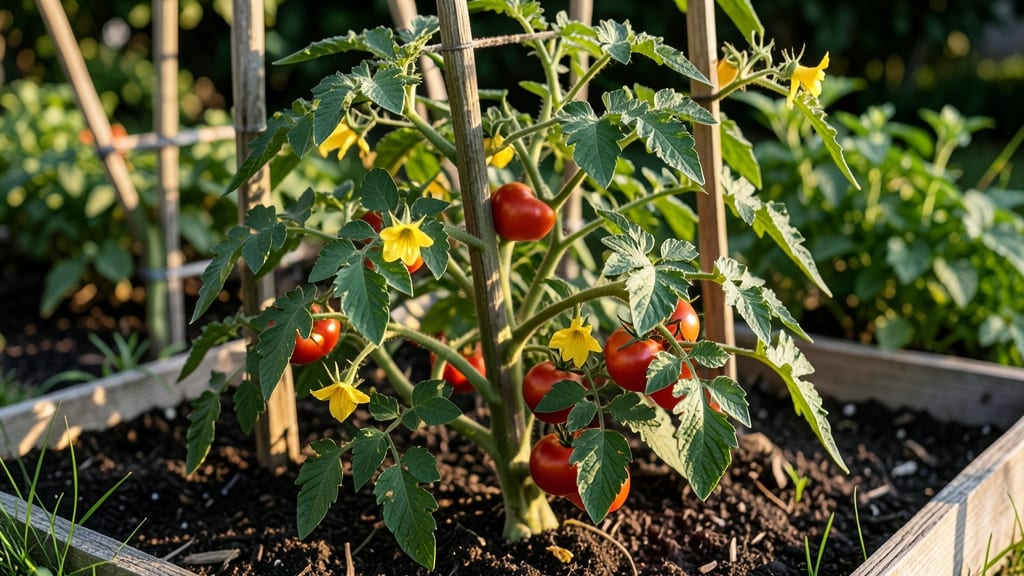
Tomato plants grow to heights of 3 to 6 feet and spreads of 1 to 3 feet, depending on the variety and growing conditions — but getting this right makes the difference between a thriving harvest and a struggle.
If you’ve ever wondered why your 🍅 tomato plants sprawl like vines or stay compact like bushes, the answer lies in their growth habits.
Determinate types max out around 3 feet and produce fruit all at once, while indeterminate varieties keep climbing until frost, sometimes reaching 10 feet or more if left unchecked.
Proper spacing isn’t just about giving roots room to breathe — it’s also about airflow, which prevents diseases like blight. Crowd too many plants, and you’ll end up with weak stems, fewer fruits, and a lot of frustration.
The good news? With the right variety and a little planning, even small gardens can grow big yields.
In this guide, I’ll break down how to choose the right spacing for your tomato plants, whether you’re growing them in the ground, containers, or trellises.
You’ll learn the exact distances to plant for each type, how to prune for better airflow, and even how to save space when your garden is tight.
Tomato plant sizes by variety: determinate vs indeterminate growth patterns
Understanding tomato plant sizes is the first step to planning your garden layout. The two main growth patterns—determinate and indeterminate—dictate everything from spacing to support needs.
Determinate varieties, like Roma or Celebrity, grow as compact bushes, while indeterminate types, such as Sungold or Brandywine, climb like vines. These differences directly impact your harvest potential and plant health.
Determinate tomatoes stop growing once they set fruit, creating a self-supporting bush that rarely exceeds 3-4 feet tall. Indeterminate varieties, however, keep growing until frost, often reaching 6-10 feet tall if left unpruned.
This growth habit means they need stakes, cages, or trellises to prevent sprawling and disease. Choosing the right type for your space ensures better airflow, fewer pests, and easier harvesting.
Here’s how these growth patterns translate into real-world garden planning:
If you’re growing determinate tomatoes, their compact size makes them ideal for containers or small gardens. Varieties like Patio or Tiny Tim thrive in 5-gallon pots, while Better Boy or Sweet 100 indeterminate types need room to sprawl.
Always check seed packets for mature plant dimensions—this ensures you’re not crowding your tomatoes, which leads to poor airflow and disease risks like blight.
Proper spacing isn’t just about preventing tangled vines—it’s about maximizing sun exposure and nutrient access. Determinate plants need 18–24 inches between each plant, while indeterminate varieties require 24–36 inches to avoid competition.
In raised beds, you can space them closer (12–18 inches), but never sacrifice airflow for convenience. Crowded plants develop fungal issues faster, reducing your yield.
For indeterminate tomatoes, investing in support structures early pays off. A 6-foot tomato cage or wooden stake keeps vines upright and makes harvesting easier. Prune suckers (the shoots that grow between the stem and branches) regularly to direct energy into fruit production.
Without support, these vines can flop, leading to rotten fruit or broken stems during heavy rains.
Container gardeners should choose dwarf or semi-dwarf varieties like Tiny Tim or Balcony Red. These stay under 2 feet tall and fit in 5-gallon pots with proper drainage. Even then, use a small cage or trellis to guide growth.
Indeterminate tomatoes in containers need larger pots (10+ gallons) and frequent watering, as roots have less soil to explore.
One common mistake is assuming all tomatoes grow the same way. Cherry tomatoes like Sungold are often indeterminate but produce hundreds of small fruits, while beefsteak varieties like Brandywine are indeterminate but yield fewer, larger tomatoes.
Match your variety to your goals—whether it’s continuous harvests or a few massive tomatoes.
Always consider your garden’s microclimate. In hot, dry climates, indeterminate tomatoes may need extra water and shade cloth during peak sun. In cooler regions, choose early-maturing varieties like Stupice (a compact, cold-tolerant determinate type) to maximize your growing season.
The right variety for your USDA zone ensures healthier plants and bigger harvests.
Spacing rules for tomato plants: variety-specific guidelines by growth zone
Proper spacing is the foundation of a thriving tomato garden. Determinate varieties like Roma or Celebrity stay compact (3-4 feet tall), while indeterminate types such as Sungold or Brandywine can grow 6-10 feet tall without pruning.
Your USDA hardiness zone also matters—warmer climates allow closer spacing, while cooler zones need extra room for slower growth.
In USDA Zones 5-7, most gardeners space determinate tomatoes 2-3 feet apart in rows 3 feet apart. Indeterminate varieties need 3-4 feet between plants and 4 feet between rows to accommodate their sprawling vines. Container gardening changes these rules entirely—dwarf varieties like Tiny Tim thrive in 5-gallon pots, while larger types need 15+ gallons.
| Variety Type | Mature Height | Spacing (In-Ground) | Container Size (Min) | Best Zones |
|---|---|---|---|---|
| Determinate (Bush) | 3-4 ft | 2-3 ft apart | 5-10 gallons | 5-10 |
| Indeterminate (Vining) | 6-10 ft+ | 3-4 ft apart | 15+ gallons | 7-11 |
| Cherry (Indeterminate) | 4-6 ft | 18-24 in apart | 3-5 gallons | 6-10 |
| Dwarf (Patio) | 1-2 ft | 12-18 in apart | 1-3 gallons | All zones |
For companion planting, place basil or marigolds near tomatoes to deter pests, but keep them 12-18 inches away to avoid competition. Carrots or radishes make excellent understory companions in cooler zones (5-6), while onions help repel aphids in warmer climates (7-10).
Always adjust spacing if your garden gets less than 6 hours of sun daily—tomatoes need full sun to reach their full potential.
In USDA Zones 8-10, you can push spacing slightly closer (1-2 feet) for determinate types since they grow faster.
However, indeterminate varieties still need their full 3-4 feet to support heavy fruit loads. Vertical gardening with trellises or cages works wonders in small spaces—just ensure your support structure is at least 5 feet tall for vining types to prevent stem breakage.
Remember, overcrowding leads to poor airflow, increasing the risk of blight and fungal diseases.
If you’re growing in containers, use self-watering pots to maintain consistent moisture, and always include drainage holes to prevent root rot. Mulching with straw or grass clippings helps retain moisture and regulate soil temperature, especially in Zone 4 or below.
Start small if you’re new to tomato gardening—plant 2-3 varieties in different spacing configurations to see what works best in your microclimate. Experiment with trellising or cage sizes, and don’t hesitate to prune suckers (side shoots) on indeterminate types to improve airflow and fruit quality.
With the right spacing, your tomato plants will reward you with bountiful harvests all season long! 🌱🍅