
How To
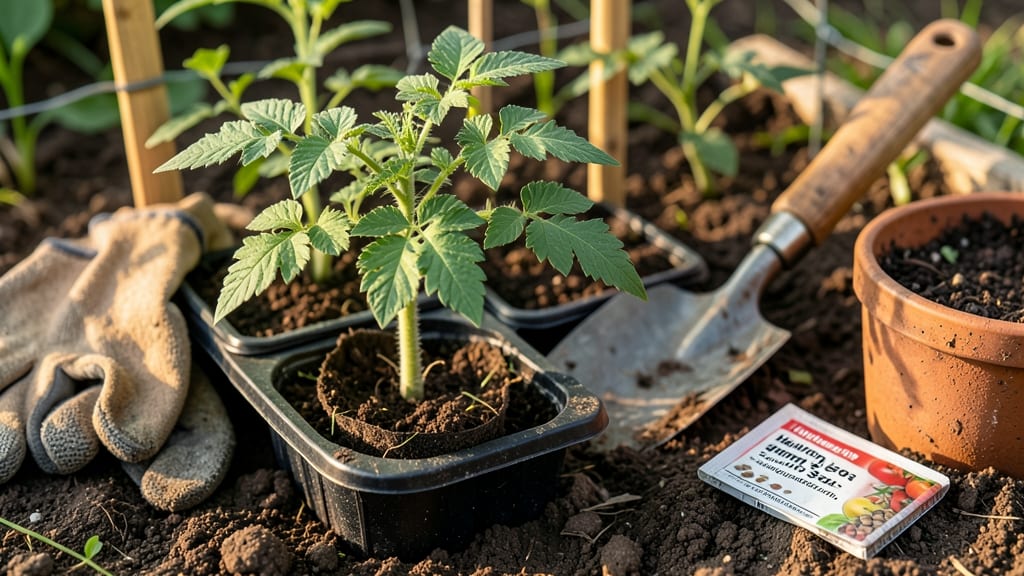
Planting tomato seeds too deep or too shallow can mean the difference between fast, healthy sprouts and weeks of waiting — or worse, no seedlings at all.
If you’ve ever stared at a tray of seeds wondering why some pop up while others stubbornly refuse, the answer might be hiding in the soil.
A ¼-inch depth is the sweet spot for most tomato seeds, but the right conditions (moisture, warmth, and soil type) turn that rule into a sure thing.
Here’s the breakdown: how to measure that depth, when to adjust for your climate, and the three mistakes that kill germination before it starts. You’ll learn how to set your seeds up for a faster start and avoid the guesswork that leaves your garden patchy.
Whether you’re starting indoors or direct-sowing in Zone 6, these tricks will have your 🍅 seedlings breaking through the soil in just days — not weeks. Let’s get those seeds in the ground the right way.
Optimal tomato seed planting depth by seed type: rules for faster germination
Getting your tomato seeds to sprout consistently can feel like a game of chance—until you master the optimal planting depth. The right depth ensures seeds receive just enough moisture and warmth to germinate without rotting.
For most tomato seeds, ¼ inch deep is the golden rule, but coated seeds need special attention. Let’s break down the exact measurements and conditions for each seed type to maximize your germination success.
The key to faster germination lies in balancing soil depth, moisture, and temperature. Too shallow, and seeds dry out; too deep, and they struggle to break through. Tomato seeds are sensitive to these factors, so precision matters.
Whether you're starting indoors or direct-sowing, understanding these rules will give your seedlings a strong start. Let’s dive into the specifics for both flat seeds and coated seeds.
🌱 Did You Know? Coated tomato seeds (like those in seed packets) contain nutrients and protective layers that require slightly different planting techniques compared to flat seeds. These coatings can affect how deep you plant and how much moisture they need to activate.
| Seed Type | Optimal Depth | Moisture Needs | Soil Temp | Germination Time |
|---|---|---|---|---|
| Flat Seeds | ¼ inch (0.6 cm) | Keep moist (not soggy) | 70-85°F (21-29°C) | 7-14 days |
| Coated Seeds | ½ inch (1.3 cm) | Lightly damp (avoid excess) | 75-80°F (24-27°C) | 10-21 days |
| Pre-Sprouted Seeds | ⅛ inch (0.3 cm) | Moist but not wet | 65-75°F (18-24°C) | 5-10 days |
For flat tomato seeds, the standard ¼ inch depth works perfectly. Use a ruler or your finger (a standard fingernail is roughly ¼ inch thick) to mark the depth.
Press the soil gently around the seeds to ensure good contact, but avoid compacting it too tightly, which can hinder moisture absorption. Maintain consistent moisture—not soggy, not dry—by misting the soil lightly every 1-2 days.
If you’re using coated seeds, plant them ½ inch deep to account for their protective layer. These seeds often contain nutrients and growth promoters, but they need slightly warmer soil (75-80°F) to activate.
After planting, cover the tray with plastic wrap or a humidity dome to retain moisture until germination begins. This extra depth helps prevent the coating from drying out prematurely.
Temperature plays a critical role in germination speed. Tomato seeds germinate best in soil temperatures between 70-85°F (21-29°C). If your home or garden runs cooler, consider using a seedling heat mat ($15-$25) to maintain optimal warmth.
Place your seed trays on the mat until sprouts appear—this can cut germination time by nearly half.
Once seeds sprout, remove any plastic covers immediately to prevent fungal diseases like damping-off. Thin seedlings to 2 inches apart when they develop their first true leaves to reduce competition.
Overcrowding stresses young plants and slows their growth. If you’re transplanting later, harden off seedlings by gradually exposing them to outdoor conditions over 7-10 days.
Pro tip: Label your seed trays with the planting date and variety. This helps track germination progress and ensures you don’t accidentally transplant too early. For example, if you planted on March 15, expect sprouts between March 22 and April 5, depending on the seed type and conditions.
Patience is key—don’t disturb the soil until you see green shoots!
For direct sowing outdoors, wait until soil temperatures reach at least 60°F (15°C) and all frost risk has passed. Plant seeds ½ inch deep in loose, well-draining soil mixed with compost.
Water gently to avoid displacing seeds, and use a row cover if nighttime temperatures dip below 55°F (13°C) to protect young seedlings.
🌿 Remember: The right depth isn’t just about measurements—it’s about creating the perfect environment for your seeds to thrive. With these guidelines, you’ll see faster,
Common mistakes that kill tomato seed germination (and how to fix them)
Even experienced gardeners sometimes struggle with tomato seed germination, and the culprit is often planting mistakes. Over-planting or under-planting seeds can both lead to poor results, creating confusion about what actually works.
The truth is, seeds need just the right conditions to sprout consistently, and depth plays a surprisingly big role. Let's explore the most common pitfalls and how to fix them before your seeds even have a chance to fail.
One of the biggest mistakes is planting tomato seeds too deep. When seeds are buried beyond their energy reserves, they struggle to reach the surface. Flat seeds like heirloom tomatoes need only ¼ inch of soil coverage, while coated seeds should sit just barely beneath the surface.
Too much soil blocks sunlight and air, suffocating the seedling before it even emerges. This is especially critical in cooler climates where germination already takes longer.
How deep tomato seeds: ¼ inch max for flat seeds, ⅛ inch for coated seeds. Any deeper = rot or failed sprouts. Use a ruler to measure soil depth—eyeballing leads to inconsistent results. For clay-heavy soils, mix in sand to prevent compaction around seeds.
Another frequent error is planting seeds too close together. While it might seem like packing seeds tightly saves space, it actually creates competition for nutrients and water. Crowded seedlings become leggy and weak, often falling over before they can develop strong stems.
The fix is simple: space seeds ¼ inch apart in rows that are 12-18 inches apart. This gives each seedling room to grow without fighting its neighbors for resources.
Poor soil conditions are another silent killer of tomato seed germination. Compacted or waterlogged soil suffocates seeds, while dry, sandy soil drains too quickly, leaving seeds without the moisture they need to activate.
The solution is to prepare your soil with a mix of compost and perlite to improve drainage and moisture retention. A quick soil test can reveal if your garden bed needs amendments like peat moss or coco coir to create the ideal environment.
Temperature fluctuations also play a hidden role in seed failure. Tomato seeds germinate best in consistent warmth, ideally between 70-85°F. If your garden soil is too cold, seeds may rot before sprouting.
Use a seedling heat mat or plant in a protected microclimate, like near a south-facing wall, to maintain stable temperatures. For early spring plantings, consider starting seeds indoors under grow lights until soil temperatures rise naturally.
Finally, inconsistent watering can derail germination before it begins. Seeds need constant moisture to soften their outer shells and activate growth, but overwatering can drown them. The key is to keep the soil evenly damp, not soggy.
Use a spray bottle or gentle watering can to avoid disturbing seeds, and cover trays with plastic wrap to retain humidity until sprouts appear. Once seedlings emerge, reduce humidity gradually to prevent fungal diseases.
By avoiding these common mistakes—wrong depth, crowding, poor soil, temperature swings, and watering issues—you’ll give your tomato seeds the best possible start.
With the right conditions, you’ll see those first green shoots in just 5-14 days, setting your plants up for a bountiful harvest. Happy planting! 🌱