
Companion Plants
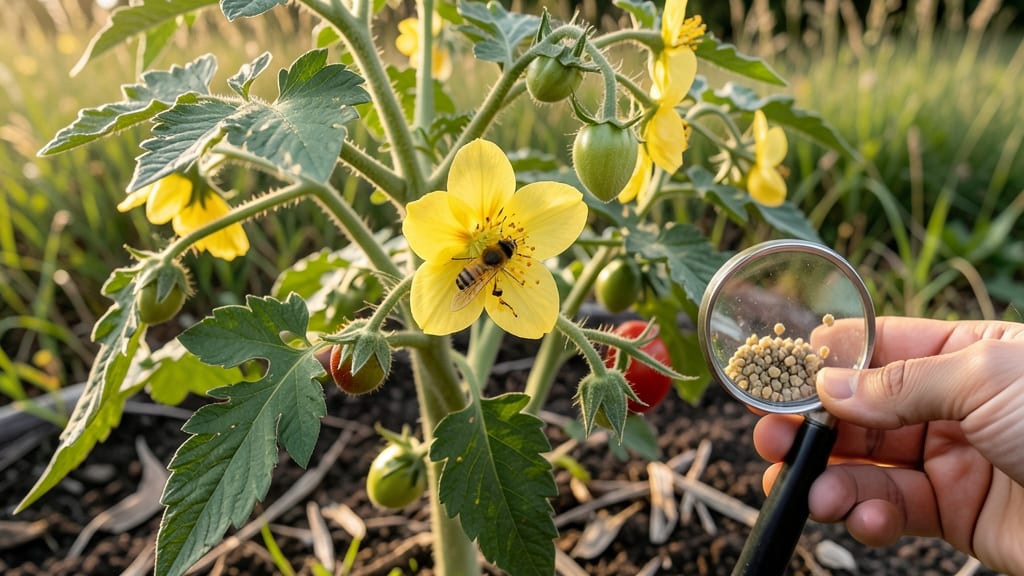
Tomato plants get pollinated by nature’s clever tricks—wind, buzzing bees, and even tiny wasps—though sometimes they need a little help from us. 🌱 I’ve watched my tomatoes go from lonely flowers to heavy fruit just by shaking the plants or inviting more pollinators to the garden.
The secret lies in understanding how these plants reproduce and what they need to thrive.
Most tomato varieties rely on cross-pollination—when pollen from one flower’s anthers transfers to another’s stigma. Wind handles this outdoors, but bees and other insects make it happen faster.
In greenhouses or hot climates, where pollinators are scarce, plants can become frustrated, leaving flowers empty-handed. That’s where gentle shaking or a paintbrush comes in to mimic nature’s touch.
With the right approach, you’ll see plump, red tomatoes instead of blossom-end rot or small, misshapen fruit. Attracting bees with marigolds or basil, or manually pollinating in the morning when flowers are fresh, makes all the difference. Even a quick shake every few days can boost your harvest by 30%.
This works for all tomato types—cherries, slicers, and heirlooms—whether you’re growing in pots or rows. The key is consistency: pollinate when flowers open, keep plants healthy, and watch your garden turn flowers into fruit. Ready to try it?
📚 In This Guide
- What you need
- Instructions
- Tips and common mistakes
- Wrapping up and next steps
What you need
- ● Tomato plants: Healthy, flowering varieties (determinate or indeterminate). Aim for at least 3-5 plants for cross-pollination experiments.
- ○ Bees or pollinators: Native bees (like bumblebees or honeybees) or purchased bee pollination kits (e.g., Osmia cornifrons mason bees). Optional: 1-2 bee houses or hives if local pollinators are scarce.
- ● Pollination tools: A soft-bristle paintbrush (e.g., makeup brush or artist’s brush, size #2-4).
- ● A cotton swab or toothpick (sterilized with rubbing alcohol).
- ○ Handheld fan or battery-operated fan: Small, portable fan (e.g., USB-powered) for wind pollination. Optional: A leaf blower (low setting) for larger gardens.
- ● Water spray bottle: 8-16 oz with a fine mist nozzle (for gentle hydration post-pollination).
- ● Rubbing alcohol (70% isopropyl): Small bottle (4 oz) for sterilizing tools between plants.
- ● Notebook & pen: For tracking pollination dates, plant varieties, and results.
- ● Companion plants: Basil, borage, or marigolds to attract more pollinators to your garden.
- ● Pollination journal app: Digital tools like Gardenate or Farmers’ Almanac for tracking blooms.
- ● Gloves: Lightweight gardening gloves to protect hands while handling plants.
- ● Pruning shears: For trimming excess foliage to improve airflow and access to flowers.
- ● Know your tomato varieties: Determinate (bush) vs. indeterminate (vining) plants may require different pollination strategies.
- ● Check the weather: Pollinate on dry, sunny mornings (55–85°F / 13–29°C) for best results.
- ● Timing: Pollinate early in the day when flowers are fully open (typically 7–10 AM).
Step-by-step guide to understanding and supporting tomato pollination
Tomatoes thrive when pollination happens naturally—but sometimes they need a little help. Here’s how to recognize and support the process for bigger, healthier fruits.
🌱 Step 1: Recognize How Tomatoes Pollinate Naturally
Tomatoes are self-pollinating, meaning their flowers contain both male and female parts. When bees, wind, or even gentle vibrations from rain transfer pollen from the anthers (male) to the stigma (female), fertilization begins. You’ll see this happen when flowers open in the morning and their yellow centers develop into tiny fruit bumps within 24-48 hours.
Look for open blossoms with exposed stamens—these are ready for pollination. If you notice flowers dropping off without setting fruit, pollination likely failed. This often happens in greenhouses or during rainy weather when bees stay away. Even a light breeze can help, but sometimes tomatoes need a nudge.
☀️ Step 2: Create Ideal Conditions for Natural Pollination
Tomatoes pollinate best in warm, sunny conditions with temperatures between 70-85°F. If your garden is too shady or humid, pollen may not transfer efficiently. Place plants where they get 6-8 hours of direct sunlight daily, and avoid overwatering—soggy soil weakens stems and reduces flower vitality.
Encourage pollinators by planting bee-friendly flowers like marigolds or basil nearby. Even a small patch of clover or dill attracts bees, which will visit your tomatoes. If you’re growing indoors or in a greenhouse, leave a window cracked slightly to allow airflow—gentle movement mimics wind pollination and helps pollen release.
💧 Step 3: Hand-Pollinate When Nature Falls Short
On cloudy days or in enclosed spaces, grab a small paintbrush or cotton swab and gently brush the flower’s yellow anthers (pollen-bearing parts) onto the stigma (the tiny bump in the flower’s center). Do this in the morning when flowers are fresh. You’ll know it worked if the flower wilts and a tiny fruit begins forming within 3-5 days.
For larger plants, a soft tapping method works too. Lightly shake the stems near the flowers—this mimics wind and releases pollen. Do this once daily during peak blooming season (late spring to early summer). Avoid overdoing it; too much vibration can damage delicate blossoms.
✂️ Step 4: Troubleshoot Common Pollination Problems
If flowers keep falling off without fruit, check for overwatering or nutrient deficiencies—both stress plants and prevent proper pollination. Yellowing leaves or weak stems mean the plant isn’t putting energy into fruit development. Adjust watering to 1 inch per week and fertilize with a balanced 10-10-10 mix at half-strength when flowers appear.
Another issue? Too much nitrogen leads to lush foliage but few flowers. Switch to a phosphorus-heavy fertilizer (5-10-10) to encourage blooming. Also, remove suckers (side shoots) aggressively—these compete for energy. Focus resources on the main stem and existing fruit for the best yield.
🌿 Step 5: Monitor and Adjust for Continuous Pollination
Once fruit sets, keep an eye on new blossoms—they’ll need pollination too. If your harvest slows mid-season, repeat the hand-pollination process or check for pests like hornworms or aphids, which can damage flowers before pollination occurs. Remove affected leaves immediately to protect remaining blooms.
For greenhouse growers, supplemental grow lights can help if natural light is insufficient. Place lights 12-18 inches above plants for 14-16 hours daily to maintain consistent flowering. Combine this with occasional hand-pollination for the best results. With these steps, you’ll maximize fruit set and enjoy a bountiful tomato harvest.
Tips & tricks for supporting tomato pollination
These practical insights will help you boost fruit set and maximize your tomato harvest—even when nature needs a helping hand.
Timing is Everything: The 24-48 hour window after flowers open is critical for natural pollination. Check blossoms in the morning when they're freshest—this is when pollen is most receptive. If you're hand-pollinating, morning is ideal too, as dew can actually help pollen stick better. I've found that consistent morning checks prevent missed opportunities, especially in greenhouses where conditions can be unpredictable.
Environmental Optimization: Maintaining that 70-85°F temperature range is crucial, but don't overlook humidity control. Too much moisture can prevent pollen from releasing properly. I've seen dramatic improvements by spacing plants to allow airflow between them—this mimics natural wind patterns while reducing fungal issues. For greenhouse growers, a small fan on low setting can create gentle air movement that mimics natural wind pollination without damaging delicate blossoms.
Hand-Pollination Technique: When using the paintbrush method from Step 3, focus on the center of the flower where the stigma resides. A gentle touch is key—press just enough to transfer pollen but not so hard you damage the flower structure. For the tapping method, I recommend using a soft artist's brush instead of your fingers to avoid transferring oils that could inhibit pollen transfer. Both methods work best when flowers are fully open but haven't yet started wilting.
Fertilizer Timing: The switch to phosphorus-heavy fertilizer (5-10-10) at half-strength should happen right when you notice the first flower buds forming. I've learned this the hard way—applying it too early leads to leafy growth with no flowers, while waiting too long means missed blooming opportunities. Pair this with your 1 inch per week watering schedule, and you'll create the perfect balance for fruit development rather than foliage growth.
Pro Tips for How Do Tomato Plants Get Pollinated
- These practical insights will help you boost fruit set and maximize your tomato harvest—even when nature needs a helping hand.
- Timing is Everything: The 24-48 hour window after flowers open is critical for natural pollination.
- Environmental Optimization: Maintaining that 70-85°F temperature range is crucial, but don't overlook humidity control.
Frequently asked questions
about tomato pollination—because even the greenest thumbs have questions! Here are the most common ones with quick, practical answers to help you grow juicier tomatoes.Do tomato plants need bees to pollinate?
Not always! While bees are the best pollinators, tomato flowers can self-pollinate if you gently shake the plants or use a small brush to transfer pollen. Wind and even light rain can also help. Indeterminate varieties (like cherry tomatoes) especially benefit from extra help since their flowers dangle.
When is the best time to help pollinate tomatoes?
Pollinate in the morning when flowers are open (usually 7–10 AM) and humidity is lower. Avoid midday heat, which can stress plants. Pro tip: Focus on flowers that haven’t already dropped pollen (they’ll look dry or slightly wilted).
What if my tomatoes aren’t setting fruit—what’s wrong?
Poor pollination, temperature extremes (below 55°F or above 90°F), or blossom end rot (calcium deficiency) can cause this. Check for:
Try hand-pollinating or moving plants to a shadier spot if it’s too hot.
Can I grow tomatoes without bees or other pollinators?
Hand-pollination
works great for small gardens. Use a soft paintbrush or cotton swab to transfer pollen from the male (outer) anthers to the female stigma (center). Greenhouse growers often rely on this method—no bees required!
Why do some tomato flowers turn yellow and drop?
This is called “flower drop” and happens due to:
- Stress (too much water, drought, or heat)
- Poor pollination (no fruit development)
- Over-fertilizing with nitrogen (too much leafy growth)
Wrapping up and next steps
Understanding how tomato plants get pollinated—whether through wind, bees, or even your own hands—is the key to unlocking juicier, more abundant harvests. 🌱 Whether you’re growing in a garden or a container, a few simple tricks can make a big difference.
Now that you’re armed with these tips, why not take action? Grab your pruners, call in some pollinator friends, or give hand-pollination a try—your future tomatoes will thank you!
Next step: Experiment with a few methods this season and track which works best for your setup. Happy gardening! 🍅✨