
Companion Plants
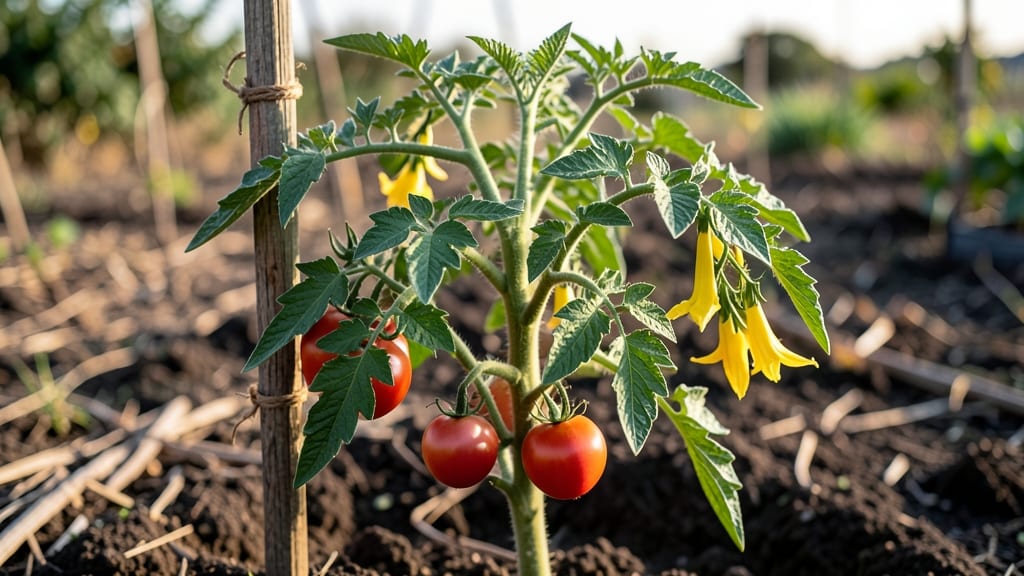
Tomato plants transform from delicate seedlings to robust producers, and knowing what to look for at each stage keeps them thriving. 🌱 From the first true leaves to the heavy fruit load, their appearance tells you everything about their health—if you know what to spot.
I’ve tracked these changes for years, and the differences between healthy and struggling plants become obvious once you learn the visual cues.
The earliest stages reveal the most about a plant’s future. Seedlings should have smooth, deep green leaves with a slight waxy sheen, not yellowing or curling edges. Stems stay sturdy but flexible, never brittle or stretched thin—this is your sign they’re getting enough light.
By the time flowers appear, you’ll see yellow or white blooms clustered at the stem joints, each one a promise of future fruit.
Mature plants develop rough, hairy stems and broad, lobed leaves that can grow up to 12 inches wide, depending on the variety. Cherry tomatoes stay compact with smaller leaves, while beefsteak types sprawl wider. Watch for deep green, glossy foliage—anything dull or spotted signals trouble before it spreads.
Healthy growth means strong, upright stems supporting fruit without sagging, and leaves that stay crisp even in heat. The real test comes at harvest: firm, vibrant fruit with no cracks or soft spots. These visual checks let you catch problems early, so your plants stay productive all season.
📚 In This Guide
- What you need
- Instructions
- Tips and common mistakes
- Wrapping up and next steps
What you need
- ● Tomato seeds or seedlings: Choose heirloom, hybrid, or disease-resistant varieties (e.g., Cherry Roma, Beefsteak, or Early Girl). Start with 3–6 plants for a small garden or 10+ for a bountiful harvest.
- ● Containers or garden bed: Containers: 5-gallon pots or larger (1 plant per container). Ensure they have drainage holes.
- ● Garden bed: A sunny spot with 6+ hours of sunlight daily and well-draining soil.
- ● Potting mix: Sterile, seed-starting mix (avoid garden soil—it may contain pests/diseases). For containers, use a high-quality vegetable or tomato-specific mix.
- ● Fertilizer: Seedlings: Balanced fertilizer (e.g., 10-10-10) or compost (low nitrogen).
- ● Mature plants: High-phosphorus (e.g., 5-10-10) or orgainc tomato fertilizer.
- ● Watering can or hose: With a gentle spray nozzle to avoid disturbing seedlings.
- ● Stakes or cages: 5–6 ft tall (for indeterminate varieties) or 3–4 ft (for determinate). Use bamboo stakes, metal cages, or wooden dowels.
- ● Pruning shears: Sharp, clean (sterilize with rubbing alcohol between uses).
- ● Mulch: Straw or shredded leaves (2–3 inches thick) to retain moisture and suppress weeds.
- ● Grow lights: For seed starting indoors (12–16 hours of light daily).
- ● pH test kit: Ideal soil pH for tomatoes: 6.0–6.8.
- ● Companion plants: Basil, marigolds, or onions to repel pests and improve growth.
- ● Drip irrigation system: For consistent watering (especially in hot climates).
- ● Plant markers: To track varieties and pruning notes.
Step-by-Step guide to identifying healthy tomato plant growth stages
Recognizing each growth phase ensures you catch issues early and nurture strong, productive plants.
🌱 Step 1: Examine Seedling Stage (0-3 Weeks)
Healthy tomato seedlings emerge with two small cotyledon leaves (the first leaves that appear) that look slightly different from true leaves. These should be a vibrant green and firm to the touch. The stem will be thin but upright, not stretching toward light—this is called "leggy" growth and means your seedlings need more light.
Watch for first true leaves (the second set that appear after cotyledons) which will be more elongated and serrated. At this stage, seedlings should have thick stems and no yellowing. If you see pale or yellow leaves, it’s a sign of either too much water or not enough light.
🌿 Step 2: Identify Vegetative Growth (3-6 Weeks)
During vegetative growth, your tomato plant will develop its main stem and branches. Look for deep green, glossy leaves with a slightly waxy texture—this indicates strong health. The plant should be growing 2-3 inches per week under ideal conditions, with new leaves emerging every few days.
Healthy tomato plants at this stage will have compact spacing between leaves and no signs of curling or browning. The stem should be sturdy, not hollow or weak. If leaves start yellowing from the bottom up, it’s often a sign of overwatering or poor drainage.
☀️ Step 3: Recognize Flowering Stage (6-8 Weeks)
When your tomato plant reaches flowering stage, you’ll notice small yellow or white blossoms forming in the leaf axils (the area where a leaf meets the stem). These flowers should appear regularly, not sporadically. A healthy plant will have multiple flower clusters along the main stem and branches.
Pay attention to the color and size of the flowers—they should be bright and fully open. If flowers appear pale or small, it could indicate stress from temperature fluctuations, insufficient light, or nutrient deficiencies. Avoid over-fertilizing with nitrogen at this stage, as it can delay flowering.
🍅 Step 4: Assess Fruit Development (8+ Weeks)
Healthy tomato fruit begins as small, green tomato blossoms that gradually swell into fruit. Look for firm, plump tomatoes that are evenly colored (green, yellow, red, or purple, depending on variety). The skin should feel slightly leathery but not tough or wrinkled.
Check for uniform ripening—if some tomatoes stay green while others ripen, it could signal uneven light exposure or inconsistent watering. Healthy tomatoes will have a slight give when gently squeezed, but they shouldn’t feel mushy. Avoid harvesting too early, as this can result in bland flavor and poor storage life.
✂️ Step 5: Monitor Mature Plant Health (Ongoing)
A mature tomato plant should have a strong, woody stem with multiple branches bearing fruit. Leaves should remain dark green and free of spots, holes, or wilting. The plant may develop small, hair-like structures on the stems and leaves—this is normal and helps protect against pests.
Watch for new growth at the top of the plant, even as it produces fruit. If the plant stops growing entirely and leaves turn yellow, it may be time to prune or fertilize. Healthy tomato plants will continue producing flowers and fruit until the first frost, provided they receive consistent care.
Tips & tricks for identifying healthy tomato plant growth
Here's what I've learned from years of gardening—these details make all the difference between thriving plants and struggling ones.
Seedling Stage Insight: In Step 1, when examining those first true leaves, look for a slight sheen on healthy leaves—this waxy coating helps prevent moisture loss. If you notice the cotyledons still clinging after 2 weeks, that's normal, but if they're brown or shriveled, your seedlings need more humidity or less water. Confession: I skipped this detail early on and lost seedlings to overwatering.
Vegetative Growth Watch: During the 3-6 week vegetative stage (Step 2), measure growth by counting new leaves every 7 days. A healthy plant should add 3-4 new leaves weekly under good conditions. If growth stalls or leaves curl inward, it's often a sign of underwatering or root-bound plants needing repotting.
Flowering Stage Secret: In Step 3, when those first flowers appear, pay special attention to the leaf axils—they should have multiple flower clusters, not just single blooms. I learned this the hard way after pruning what turned out to be potential fruit clusters by mistake. The key is to let at least 3-4 flowers develop per cluster for best fruit production.
Fruit Development Tip: For Step 4, when assessing fruit firmness, gently squeeze tomatoes at their widest point—they should yield slightly like a ripe avocado. The difference between a mediocre result and an absolutely stellar one often comes down to this simple check. If you find blossom-end rot (black spots), it's a calcium deficiency that needs immediate attention with calcium supplements.
Pro Tips for How Do Tomato Plants Look
- Here's what I've learned from years of gardening—these details make all the difference between thriving plants and struggling ones.
- Seedling Stage Insight: In Step 1, when examining those first true leaves, look for a slight sheen on healthy leaves—this waxy coating helps prevent moisture loss.
- Vegetative Growth Watch: During the 3-6 week vegetative stage (Step 2), measure growth by counting new leaves every 7 days.
Frequently asked questions
about how tomato plants look—whether you're a beginner or a seasoned gardener—can help you spot issues early and celebrate milestones! Here are answers to the most common queries:What do healthy tomato seedlings look like?
Healthy tomato seedlings have sturdy stems (not leggy or weak), dark green leaves (avoid yellowing or browning), and small white roots peeking from the soil. They should be about 2–4 inches tall with 2–4 true leaves (not just the first seed leaves). If they’re stretching too tall or pale, they need more light!
How do tomato plants look when they’re ready to transplant?
Transplant-ready tomato plants are 4–6 inches tall, have 5–7 true leaves, and a thickened stem (about pencil-sized). Their leaves should be vibrant green, and they may show the first signs of tiny flower buds (though not always). Harden them off first by placing them outside for a few hours daily before moving to the garden.
What do tomato plants look like when they’re diseased or dying?
Watch for yellowing leaves (early sign of nutrient issues or disease), black or brown spots (fungal issues like blight), wilting despite water (root rot or overwatering), or stunted growth (pests like aphids or poor soil). If leaves curl or develop white powder, it could be powdery mildew. Act fast—prune affected areas and adjust care!
Can tomato plants look healthy but still produce bad fruit?
Yes! Even if your plant looks perfectly green and bushy, poor fruit quality can stem from overcrowding (steals nutrients), too much nitrogen (lush leaves but few tomatoes), extreme heat (blossom drop), or lack of pollinators. Try hand-pollinating flowers with a small brush or add companion plants like basil to boost yields.
How do tomato plants look in cold vs. hot weather?
In cold weather, leaves may yellow or wilt, and growth slows. If temps drop below 50°F (10°C), cover plants with frost cloth. In hot weather, leaves can curl or scorch (brown edges), and flowers may drop. Provide shade cloth in peak heat and mulch to keep roots cool. Tomatoes thrive in 70–85°F (21–29°C)!
Wrapping up and next steps
Now that you’ve mastered recognizing the healthy stages of tomato plants—from tiny seedlings to vibrant fruit—you’re well on your way to a thriving garden! 🌱 Whether you’re a seasoned gardener or just starting, spotting signs of growth (or trouble) makes all the difference. Next up? Put your new knowledge into action by choosing the perfect companion plants to boost your tomato’s health and productivity—because great growth starts with great neighbors!