
Planting
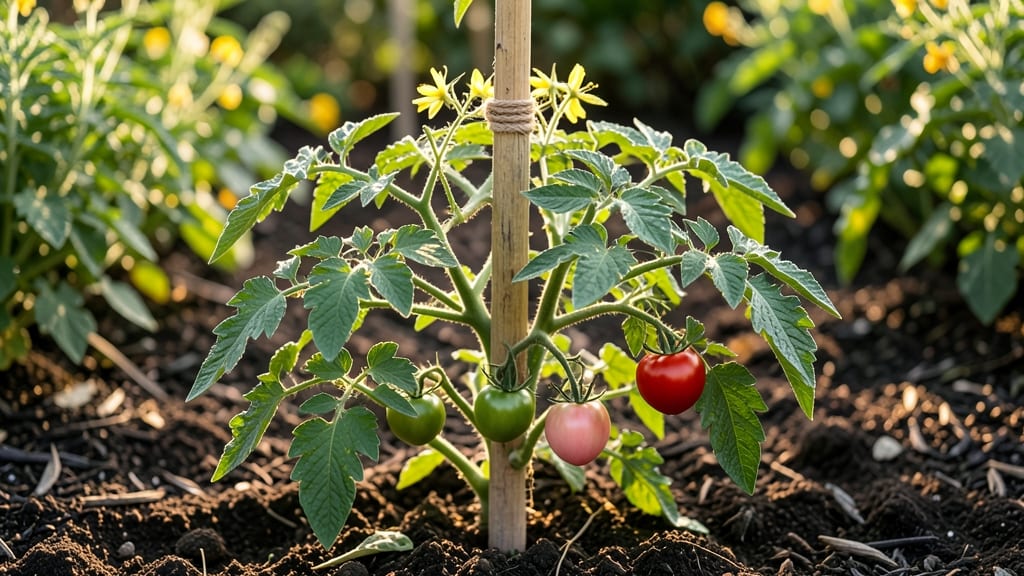
Tomato plants take 60 to 90 days to produce fruit once they sprout, but the real story is in the details—variety, climate, and care can shave weeks off that timeline or stretch it out.
If you’ve ever impatiently waited for your tomato plants to bear fruit, you’re not alone—timing is everything in gardening. Knowing exactly when to expect ripe tomatoes can help you choose the right varieties, plan your planting schedule, and avoid disappointment.
Most gardeners assume all tomatoes follow the same schedule, but early-maturing cherry varieties can produce in as little as 45 days, while heirlooms may take 90 days or more. Sunlight, soil quality, and even watering habits play a bigger role than you might think.
Here’s what you’ll discover: how to spot the first signs of readiness, which factors speed up or slow down production, and the fastest-growing varieties for a quicker harvest—so you can enjoy fresh 🍅s sooner than you’d expect.


Tomato plant growth timeline: from seed to harvest
Understanding your tomato plant's growth timeline helps you plan for success. Most standard varieties take 60-90 days from seed to harvest, but this can vary based on your growing conditions and tomato variety. Let’s break down each stage so you know exactly what to expect—and how to optimize it.
First, germination occurs within 5-14 days after planting seeds, depending on soil warmth. If your soil stays below 60°F (15°C), germination slows dramatically. I’ve found that using heat mats or planting in biodegradable pots under grow lights speeds this process up significantly.
The seedling stage lasts about 2-4 weeks after sprouting. During this time, your plants will develop their first true leaves and grow to about 6-12 inches tall. This is when they’re most vulnerable to damping off, so I always ensure good airflow and avoid overwatering.
Next comes transplanting, typically done when seedlings have 2-3 sets of leaves and are about 4-6 weeks old. Hardening off your seedlings for 5-7 days before transplanting helps them adjust to outdoor conditions. I plant mine 12-18 inches apart in rows spaced 2-3 feet apart for optimal airflow.
Here’s a quick reference for the average growth timeline of standard tomato varieties:
| Stage | Duration (Days) | Key Actions | Environmental Needs |
|---|---|---|---|
| Germination | 5-14 | Keep soil warm (70-85°F), moist | Indoor seed tray or greenhouse |
| Seedling Growth | 14-28 | Provide 12+ hours light, fertilize lightly | Bright, indirect light; 60-70°F |
| Transplanting | Day 28-42 | Hardening off, plant outdoors after frost | Full sun, well-draining soil |
| Vegetative Growth | 21-42 | Stake plants, prune suckers, water deeply | 6-8 hours sun, 70-85°F |
| Flowering | 7-14 | Pollinate by hand if needed, fertilize | Warm days, cool nights (60-75°F) |
| Fruiting | 30-60 | Harvest regularly, prune for airflow | Full sun, consistent moisture |
| Total (Seed to Harvest) | 60-90 | Monitor pests, adjust care as needed | Optimal: 70-85°F, 6-8 sun hours |
The flowering stage begins around 42-56 days after planting, marked by the appearance of yellow flowers. This is when your plants need consistent pollination. If you’re growing indoors or in a greenhouse, I gently shake the plants or use a small brush to transfer pollen.
Outdoor plants usually rely on bees, but windy conditions can sometimes require a little help.
Once flowers appear, it takes another 30-60 days for fruit to mature, depending on the tomato variety.
Determinate varieties (like Roma or Celebrity) produce all their fruit at once and mature faster (60-70 days), while indeterminate varieties (like Sungold or Better Boy) continue producing over the season and take 75-90 days.
Environmental factors like temperature, sunlight, and soil quality play huge roles in speeding up or slowing down growth. For example, tomatoes thrive in temperatures between 70-85°F (21-29°C). If nights dip below 55°F (13°C), flowering can stall.
I’ve also noticed that well-draining soil with a pH of 6.0-6.8 and rich in organic matter helps roots establish faster, leading to earlier fruiting.
To maximize your harvest time, I recommend starting with fast-maturing varieties if you have a short growing season. Varieties like Early Girl or Stupice can produce fruit in as few as 50-60 days.
Additionally, using black plastic mulch or row covers can warm the soil faster in spring, giving your plants a head start.
Finally, don’t forget that pruning and staking can also impact your timeline. Removing suckers (the small shoots in the leaf axils) and
Fastest-growing tomato varieties for quick harvests
If you're craving homegrown tomatoes but don't have months to wait, early-maturing varieties are your best bet. These speedy growers deliver ripe fruit in just 45-60 days from transplant, making them perfect for container gardens, short seasons, or impatient gardeners.
The key lies in selecting determinate varieties (bush types) or cherry tomatoes, which focus energy on fruit production rather than vining.
My top recommendation for fastest results is the 'Early Girl' variety, a classic that consistently produces in 55-60 days. It thrives in warm climates (USDA zones 4-10) and handles both containers and garden beds.
For cooler regions, the 'Stupice' tomato—originally from Czechoslovakia—matures in just 50-55 days and tolerates temperatures down to 45°F (7°C).
For cherry tomato lovers, the 'Solar Fire' variety is a game-changer with a 48-52 day harvest window. These orange-red fruits thrive in containers and produce prolifically if given consistent moisture and balanced fertilizer. My trick? Use a 5-10-10 NPK fertilizer every 3 weeks to boost flowering without overfeeding.
If you're growing in containers or small spaces, the 'Patio Princess' is my go-to dwarf variety. This determinate plant stays under 2 feet tall and delivers red beefsteak tomatoes in 50-55 days.
The secret to its speed? Start seeds indoors 6-8 weeks before your last frost date and transplant when soil reaches 60°F (15°C).
To maximize speed, I always prune suckers (side shoots) from indeterminate varieties like 'Early Girl' and use black plastic mulch to warm soil. For cooler climates, add a row cover during flowering to protect blossoms from chilly nights, which can cause blossom drop and delay harvests.
With these tips, you could be slicing your own tomatoes in as little as 6 weeks!
🌱