
Light Requirements
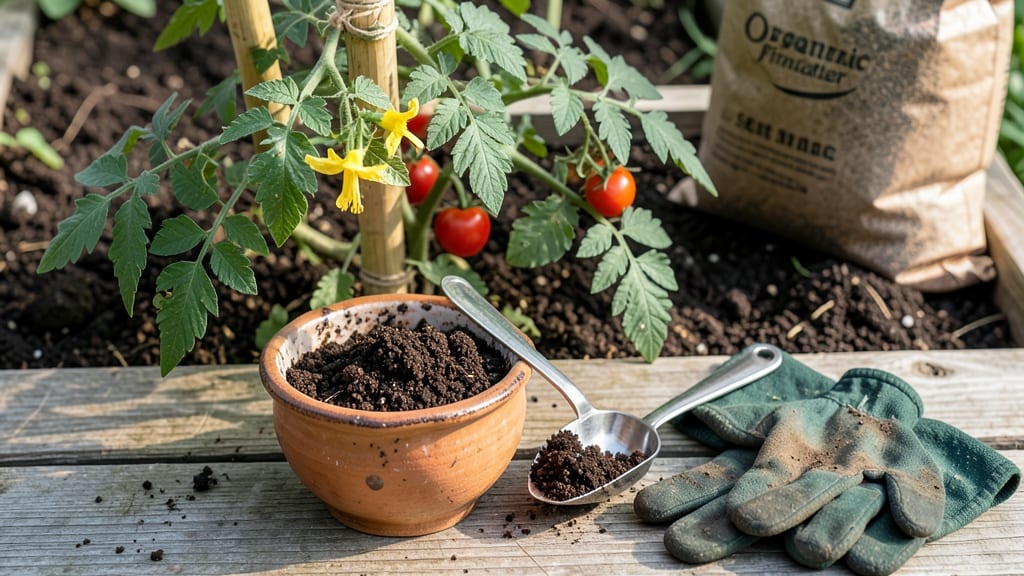
Using coffee grounds for tomato plants is one of the easiest ways to give them a nitrogen boost without breaking the bank—but the right amount makes all the difference.
Picture this: You’re sipping your morning brew, and instead of tossing the grounds, you’re wondering if they’ll supercharge your 🍅 tomato plants. The answer? Absolutely—but only if you use the correct ratio.
Too little won’t help, and too much can actually harm your plants by making the soil too acidic or even burning delicate roots.
In this guide, I’ll break down the exact amounts of coffee grounds to use at every stage of your tomato’s growth—from seedlings to fruiting—so you can feed your plants the right way.
You’ll also learn how to apply them safely, spot the signs of overuse, and when to switch to alternatives if your soil needs a different boost.
By the end, you’ll know not just how much to use, but when and how to use it for the healthiest, most productive tomato plants in your garden.
Coffee grounds for tomato plants: safe ratios by plant age and growth stage
Coffee grounds are a gardener’s nitrogen-rich treasure for tomato plants, but using them incorrectly can burn roots or over-acidify soil. The key lies in precise ratios tailored to your tomato’s growth stage.
Too little won’t help, but too much can stall growth or even kill seedlings. Let’s break down the perfect amounts for every phase—from tiny sprouts to heavy fruit production.
Tomatoes thrive with balanced nutrition, and coffee grounds provide nitrogen, which fuels leafy growth. However, their acidity (pH 6.2-6.8) means you must dilute or compost them properly.
For seedlings, use minimal amounts to avoid shocking tender roots. As plants mature, you can gradually increase the dose—but never exceed 20% of their fertilizer mix.
Here’s the golden rule: Never apply fresh coffee grounds directly to soil. Always compost them first (3-6 months) or dry them completely to prevent mold and clumping.
Wet grounds can smother roots and attract pests like slugs. For best results, mix dried grounds into topsoil before planting or sprinkle lightly around established plants.
For seedlings (0-4 weeks), a single teaspoon of composted coffee grounds per plant is enough to boost root development without overwhelming them. Mix it into the top 2 inches of soil at planting time.
Avoid fresh grounds—they can raise soil acidity and inhibit seedling growth. If your seedlings look yellow or stunted, flush the soil with water to dilute excess nitrogen.
During vegetative growth (4-8 weeks), your tomato plants are focused on leaf production, and they’ll thrive with 1 tablespoon of coffee grounds per plant.
Apply this as a top-dressing around the base of the plant, keeping it 2 inches away from the stem to prevent root burn. Reapply every 4-6 weeks to maintain leafy vigor without over-fertilizing.
When flowering begins (8-12 weeks), reduce coffee ground applications to 2 tablespoons per plant but switch to compost tea. This stage requires more phosphorus than nitrogen, and coffee grounds alone won’t suffice.
Pair them with bone meal or fish emulsion to support fruit development. Apply every 6-8 weeks to avoid flower drop or blossom end rot.
At the fruiting stage (12+ weeks), cut back to 1 tablespoon per plant every 8-10 weeks. Too much nitrogen now can delay ripening or reduce fruit quality.
Instead, focus on balanced nutrition with potassium-rich amendments like wood ash or banana peels. Lightly top-dress around the plant to avoid direct contact with stems.
For mature plants nearing harvest, use 1 cup of composted coffee grounds per 4 square feet as a seasonal soil amendment. This boosts soil health for next year’s garden. Never apply fresh grounds at this stage—they can attract pests or disrupt root systems as plants prepare for dormancy.
Instead, work them into compost for future use.
Pro tip: Test your soil pH before applying coffee grounds. Tomatoes prefer 6.2-6.8 pH, and coffee grounds can lower pH further. If your soil is already acidic, reduce the ratio
Signs of coffee ground overuse in tomato plants (and how to fix it)
Your tomato plants might be protesting if you’ve been overdoing the coffee grounds. While this organic amendment offers nitrogen and improves soil structure, too much can create acidic stress, nutrient imbalances, or even fungal growth. Watch for these red flags that signal your tomatoes are suffering from overuse.
The first clue is yellowing leaves, especially on older foliage. This chlorosis occurs when excess acidity disrupts the plant’s ability to absorb iron and magnesium. If the yellowing spreads to new growth, your soil’s pH balance is definitely off.
Another warning sign is stunted growth—plants may stop producing new leaves or flowers, signaling they’re struggling to process nutrients.
🌱 Callout-Warning:
Safe Limits: 1 cup dry grounds per plant every 4-6 weeks (dilute with compost or aged manure). For seedlings, use 1 tbsp max—they’re sensitive to acidity. Never exceed 20% of soil volume in any single application.
Fix It Fast: Mix in lime (1 tsp per gallon of soil) to raise pH, or flush soil with water to dilute acidity.
Excess coffee grounds can also create a moisture-loving environment that invites fungal diseases like blight or powdery mildew. Look for white or gray patches on leaves, or dark, mushy spots on stems. If your plants smell musty or sour, that’s another sign the soil’s acidity is too high.
Even root burn can occur if grounds accumulate near roots, causing them to brown and die back.
To revive over-fertilized tomato plants, start by testing your soil’s pH (ideal range: 6.0–6.8). If it’s below 6.0, sprinkle pelletized lime (follow package rates) and water thoroughly. For mild cases, dilute the soil by mixing in compost or aged manure (1:1 ratio) to balance nutrients.
If fungal issues appear, apply a copper fungicide or neem oil spray to protect leaves.
For severe overuse, consider repotting the plant into fresh soil or transplanting it into a new garden bed with neutral pH soil. Water deeply for 3–5 days to flush out excess acids, and avoid coffee grounds for at least 6–8 weeks while the plant recovers.
Monitor growth closely—healthy tomatoes should bounce back within 2–3 weeks with proper care.
Prevent future issues by rotating amendments. Alternate coffee grounds with composted manure, worm castings, or fish emulsion to avoid nutrient lockout. Always dry grounds completely before applying (wet grounds can clump and suffocate roots), and mulch lightly to slow nitrogen release.