
How To
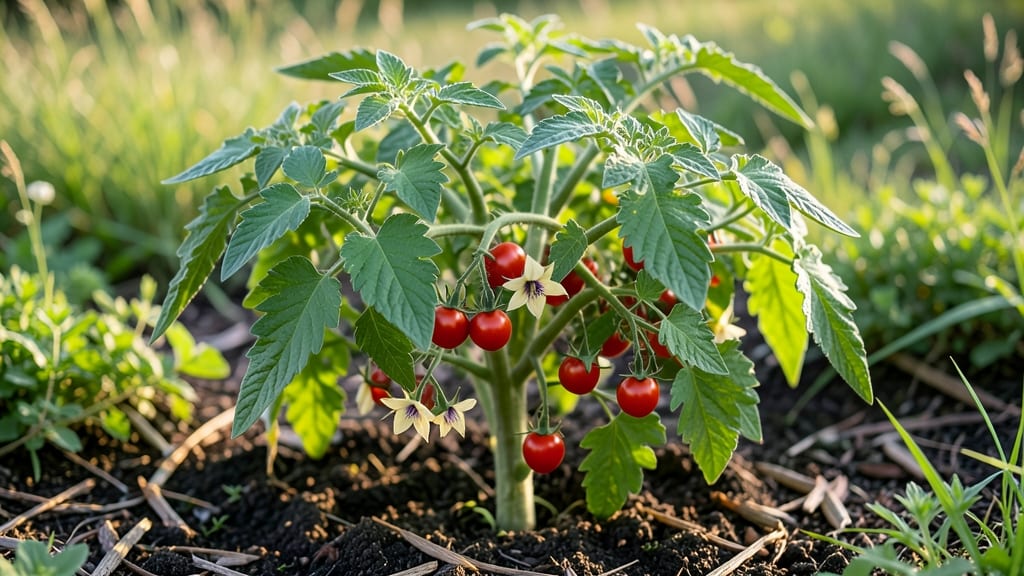
Cherry tomato plants grow anywhere from 1 to 6 feet tall, depending on the variety and how you train them—so if you’re working with limited space, choosing the right type could save your garden (and your back).
Picture this: a 3-foot vine bursting with hundreds of sweet cherry tomatoes in a hanging basket, or a 6-foot trellis monster sprawling across your balcony. The difference isn’t just height—it’s yield, flavor, and whether your plants end up looking like a jungle or a well-behaved salad bar.
Determinate varieties (like 'Tumbling Tom') stay compact, while indeterminate ones (like 'Sweet 100') keep climbing until you stop them. I’ll break down the best options for small spaces, how to control sprawl with pruning and supports, and why some plants grow taller in containers than in the ground.
By the end, you’ll know exactly which cherry tomato to pick for your setup—whether you’re growing in pots, along a fence, or squeezing them into a corner of your garden. Let’s get those vines where you want them!

Cherry tomato plant height by variety: compact options for small gardens
If you're working with limited space but still want a bountiful cherry tomato harvest, choosing the right variety is key. Cherry tomato plant height varies dramatically—from compact bush varieties under 2 feet to sprawling vines reaching 10 feet.
The good news? Many small-space-friendly options exist that thrive in containers, hanging baskets, and tight garden corners.
Understanding these height differences helps you plan your garden layout. Determinate varieties stay compact, while indeterminate types grow continuously. For balconies or patios, dwarf cherry tomatoes like 'Tiny Tim' are perfect. Meanwhile, semi-determinate varieties offer a middle ground with manageable heights and steady production.
Here’s how to match your space to the perfect variety—plus ideal spacing for containers and garden beds.
| Variety | Type | Mature Height | Spacing (Containers) | Spacing (Garden Beds) |
|---|---|---|---|---|
| Tiny Tim | Determinate | 12–18 inches | 5-gallon pot | 18 inches apart |
| Sweet 100 | Indeterminate | 6–8 feet | 10–15 gallon pot (trellis needed) | 24–36 inches apart |
| Tumbling Tom | Indeterminate | 3–5 feet (trailing) | Hanging basket (10+ gallons) | 18–24 inches apart |
| Patio Princess | Determinate | 24–30 inches | 7–10 gallon pot | 24 inches apart |
| Micro Tom | Determinate | 6–12 inches | 1–3 gallon pot | 12–18 inches apart |
The Tiny Tim and Micro Tom varieties are my top picks for ultra-small spaces. Their compact growth habits make them ideal for windowsills, tiny balconies, or even indoor gardening. These determinate types produce fruit all at once, so plan to harvest within a 2–3 week window.
For vertical gardening, indeterminate varieties like Sweet 100 or Tumbling Tom shine. These vines need support structures like trellises or cages but reward you with continuous harvests all season long. Just ensure your container is at least 10 gallons and has drainage holes to prevent root rot.
When planting in garden beds, follow the spacing guidelines in the table to avoid overcrowding. Too little space leads to poor air circulation, increasing disease risk.
For example, Sweet 100 needs 24–36 inches between plants to sprawl comfortably, while Micro Tom can thrive just 12 inches apart.
Pro tip: If you’re growing indeterminate varieties in containers, use a 5-foot tomato cage or bamboo trellis to save space. This keeps vines off the ground, reducing pests and making harvesting easier. I’ve seen Tumbling Tom baskets produce hundreds of cherry tomatoes in a single season with minimal floor space!
For first-time gardeners, I recommend starting with determinate varieties. They’re low-maintenance, produce quickly, and are perfect for small containers. Once you’re comfortable, experiment with indeterminate types for a longer harvest season. Just remember: prune regularly to control height and encourage fruit production.
No matter which variety you choose, full sun exposure (6+ hours daily) is non-negotiable. Cherry tomatoes are sun-worshippers, and insufficient light leads to small, bland fruit. Pair your plants with companion plants like basil or marigolds to deter pests naturally.
With the right variety and a little planning, you can enjoy homegrown cherry tomatoes even in the tiniest of spaces. Happy gardening! 🌱
How to control cherry tomato plant height: pruning and trellising techniques
Cherry tomato plants can grow anywhere from 1 foot to over 10 feet depending on the variety and your care approach. Indeterminate types like Sweet 100 climb relentlessly, while Tiny Tim stays compact at just 18-24 inches.
The key to managing height lies in two simple strategies: pruning and trellising. These techniques not only save space but also improve air circulation, reducing disease risk while boosting yield.
Pruning is your first tool for control. For bushier growth, pinch off the main stem's top growth just above a leaf cluster. This encourages lateral branches where more fruit develops.
However, if you're working with limited vertical space, prune aggressively to redirect energy upward. The goal is balance—too much pruning stresses the plant, while too little lets it sprawl uncontrollably.
Trellising transforms your cherry tomatoes from ground-hugging vines into vertical powerhouses. Organic supports like bamboo stakes or coconut coir ties work beautifully, while synthetic options such as plastic cages or metal trellises offer durability.
The choice depends on your garden's scale and how long you plan to support the plant—some synthetic options last multiple seasons.
Pruning vs. Trellising for Cherry Tomatoes
Pruning
- Pros: Encourages bushier growth, better air flow, higher yields in compact spaces
- Cons: Requires frequent maintenance, can stress plant if overdone
Trellising
- Pros: Saves space, reduces disease risk, easier harvesting, extends growing season
- Cons: Initial setup required, may need reinforcement for heavy fruit loads
Best For:
Pruning: Small gardens, containers, bush varieties
Trellising: Vertical gardens, large harvests, indeterminate types
Timing matters when pruning. Start when your plant reaches 12-18 inches tall. Remove suckers—those small shoots that grow between the main stem and branches—weekly to maintain shape. For trellising, install supports at planting time.
Use soft ties to avoid damaging stems as the plant grows. If you're growing in containers, choose a 5-gallon pot minimum to accommodate roots and support structures.
Don't overlook the benefits of vertical training. When cherry tomatoes grow upward, their fruit ripens more evenly in the sun, improving flavor and reducing soil-borne disease risks. Plus, harvesting becomes a breeze!
For maximum yield in tight spaces, combine both techniques: prune to control width while trellising to maximize height. This creates a two-tiered harvest system where you can grow multiple plants in the same footprint.
Remember, every cut and tie should serve a purpose. Whether you're shaping a Tumbling Tom into a cascading basket or guiding a Sun Gold up a sturdy stake, your goal is to create an environment where the plant can thrive without taking over your garden.
With the right balance of pruning and support, you'll transform even the smallest space into a cherry tomato powerhouse.