
How To
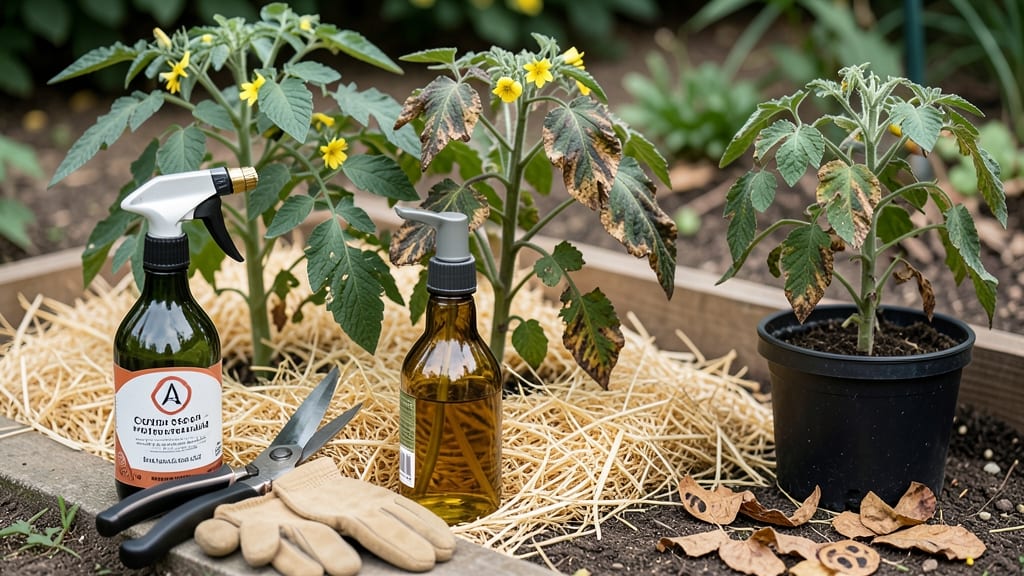
Fixing tomato blight starts with a simple spray that stops those ugly spots dead in their tracks. 🌱 I’ve battled this disease for years—until I discovered the 3-ingredient mix that turns back the brown rings on leaves within 24 hours and keeps plants producing for weeks longer.
No more sad, wilted vines or wasted harvests. The key is acting fast: early blight (the concentric rings) and late blight (greasy-looking spots) both spread when humidity hangs in the air.
My spray—baking soda, neem oil, and a drop of dish soap—disrupts the fungus while keeping your plants happy. You’ll see results by morning, but the real magic is in the prevention: prune lower leaves, space plants wider, and water at the base to keep foliage dry.
By the end of the season, you’ll have healthier plants that resist future outbreaks. The spray works on existing infections too, so don’t wait—grab the ingredients and save your tomatoes before the disease takes over.
This method works for greenhouse, patio, or backyard gardens, and it’s safe for bees once fully dry. Let’s get those plants back in fighting shape!
Understanding Tomato Blight’s Root Causes
Tomato blight—whether the dreaded early blight (Alternaria solani) or the devastating late blight (Phytophthora infestans)—doesn’t strike randomly. It thrives when specific conditions align, turning your lush tomato plants into a sad, spotted mess.
Below, we break down the key triggers behind this fungal (or oomycete, in the case of late blight) takeover, so you can spot the warning signs before your harvest disappears.
Blight fungi and oomycetes are water-loving pathogens.
They spread like wildfire when leaves stay wet for prolonged periods—think: - Overhead watering (splashing soil onto foliage). - Poor drainage in containers or garden beds (root-zone saturation). - Humid, rainy weather (late blight thrives in temps 60–80°F with high humidity). - Morning dew lingering on leaves all day.
Why it matters: Fungal spores germinate and infect within 4–6 hours of wetness. Late blight, in particular, can spread up to 10 feet per day in ideal conditions—turning one infected plant into a garden-wide epidemic in weeks.
Tomato plants under stress are blight magnets.
Common stressors include: - Poor air circulation (plants too close together, dense foliage). - Nutrient deficiencies (especially potassium or calcium, which weaken cell walls). - Physical damage (wind, hail, or rough handling breaking leaves). - Extreme heat or drought (osmotic stress makes plants more susceptible).
Why it matters: Stressed plants can’t defend themselves—their natural cuticle layer (the plant’s "skin") weakens, giving spores an easy entry point. Blight spores prefer young, tender growth, so pruning too late in the season can also invite infection.
Blight pathogens survive in soil and debris for years, waiting for the right moment to strike.
Sources include: - Infected plant debris (last year’s leaves, stems, or fruits left in the garden). - Contaminated compost or mulch (if made from blight-infected plants). - Dirty pruners or gloves (transferring spores from one plant to another). - Wind or water carrying spores from nearby infected crops (e.g., potatoes or eggplants).
Why it matters: Late blight, for example, can overwinter in soil and reinfect the same spot year after year. Even one infected plant can contaminate an entire garden if spores hitchhike via tools or splashing water.
Blight doesn’t just happen—it waits for perfect conditions.
Here’s the danger zone: | Blight Type | Temperature Range | Humidity | Spread Speed | |------------------|-----------------------|-----------------------|--------------------------------| | Early Blight | 60–85°F | >75% humidity | Slow (spots appear in 3–5 days) | | Late Blight | 50–77°F (best: 60–68°F) | >90% humidity | Explosive (visible in 24–48 hrs) |
Why it matters:
- Early blight favors hot, dry days with cool nights (ideal for spore production).
- Late blight loves cool, wet springs—it can even survive light frosts and strike when temps rise.
- Nighttime dew (especially in greenhouses or shaded areas) gives spores a 24-hour infection window.
Not all tomatoes are equal when it comes to blight resistance. Highly susceptible varieties include:
- Heirloom tomatoes (e.g., Brandywine, Cherokee Purple).
- Large-fruited types (e.g., beefsteak, Roma).
- Greenhouse-grown tomatoes (high humidity = blight paradise).
Resistant (but not immune) varieties often have:
- Thicker leaves (harder for spores to penetrate).
- Genetic traits like Ph genes (e.g., 'Mountain Merit', 'Defiant PhR').
Why it matters: Even resistant varieties can succumb if other conditions (like moisture) are perfect. Rotation and sanitation become even more critical with vulnerable plants.
Blight doesn’t just spread via water—it hitches rides on:
- Wind (carrying spores miles in storms).
- Insects (aphids, beetles, or even birds spreading spores).
- Humans (moving infected plants or tools between gardens).
Why it matters: Late blight, in particular, was the cause of the Irish Potato Famine—it spreads faster than most gardeners can react. If you see blight in a neighbor’s garden, assume your tomatoes are at risk.
Tomato blight doesn’t happen in a vacuum—it’s the perfect storm of: ✅ Moisture (wet leaves for hours). ✅ Stress (crowded, nutrient-deficient plants). ✅ Pathogen presence (spores in soil or nearby). ✅ Ideal weather (cool nights + humid days).
The good news? Once you recognize these triggers, you can disrupt the cycle—and that’s where preventive sprays, pruning, and smart watering come into play. Stay tuned for our 24-hour organic fix to stop blight in its tracks!
Stop Blight Before It Spreads
Tomato blight doesn’t have to ruin your harvest—with the right approach, you can reverse the damage in 24 hours and protect your plants long-term. Below, we’ll match the most common causes of blight (early, late, or bacterial) with practical, organic solutions that work fast.
Follow these steps to save your tomatoes and prevent future outbreaks.
Cause: Alternaria solani thrives in hot, dry conditions, creating concentric brown spots with yellow halos.
🔥 Remove Infected Leaves Immediately
- Step 1: Snip off all leaves with brown spots (don’t compost them—toss in the trash).
- Step 2: Sterilize pruners with rubbing alcohol (70% or higher) between cuts to avoid spreading spores.
- ⏰ Pro Tip: Do this in the morning so leaves dry quickly, reducing humidity that fuels spores.
🌿 Copper Fungicide Spray (Organic & Fast-Acting)
- Mix: 1 tbsp copper sulfate (or a pre-made organic fungicide like Neem Bliss Copper) in 1 gallon of water.
- Spray: Coat both sides of leaves and stems, focusing on the lower foliage where spores lurk.
- Frequency: Apply every 7–10 days or after rain. Reapply within 24 hours for severe cases.
- 💡 Why It Works: Copper disrupts fungal cell walls, stopping spore germination.
🌱 Boost Plant Immunity
- Feed with compost tea (rich in beneficial microbes) or kelp meal to strengthen plant defenses.
- Space plants 18–24 inches apart to improve airflow and dry leaves faster.
Cause: Phytophthora infestans loves cool, wet weather (60–80°F) and can destroy plants in days.
🚨 Emergency Action (First 24 Hours)
- Step 1: Prune aggressively—remove all infected leaves, stems, and fruits.
Burn or trash them (do not compost). - Step 2: Disinfect tools with bleach (1 part bleach to 9 parts water) or alcohol. - 🔪 Pro Tip: If blight hits fruits, harvest them immediately—they won’t ripen properly, but you’ll save the plant.
🍳 Homemade Baking Soda Spray (Budget-Friendly)
- Mix: 1 tbsp baking soda, 1 tsp vegetable oil, 1 tsp dish soap, and 1 gallon of water.
- Spray: Apply early in the day (avoid late sprays—soda can burn leaves in sunlight).
- Frequency: Spray every 5–7 days or after rain. Works best as prevention but helps slow spread.
🌡️ Adjust Watering Practices
- Water at the base (not overhead) to keep leaves dry.
- Avoid evening watering—wet leaves overnight = blight buffet.
- Use drip irrigation or soaker hoses to reduce leaf moisture.
🌿 Preventative Barrier Spray
- Mix: 1 tbsp hydrogen peroxide (3%) + 1 tsp castile soap in 1 gallon of water.
- Spray: Apply weekly as a preventative shield, especially before rain.
Cause: Xanthomonas or Pseudomonas bacteria spread via splashing water, tools, or even your hands.
🚿 Clean Everything Thoroughly
- Step 1: Sterilize pruners, gloves, and containers with bleach water (1:9 ratio) or 70% alcohol.
- Step 2: Wash hands with soap and water before handling plants.
- 💡 Pro Tip: Disinfect trellises and cages too—bacteria hide in crevices!
🍳 Copper + Neem Oil Combo Spray
- Mix: 1 tbsp copper fungicide + 1 tbsp neem oil + 1 tsp soapy water in 1 gallon of water.
- Spray: Apply every 5–7 days at dusk (neem oil breaks down in sunlight).
- ✨ Why It Works: Copper kills bacteria, while neem oil smothers spores and deters future infections.
🌱 Remove & Replace Infected Plants
- Bacterial spot is contagious—if multiple plants are infected, pull them out to stop the spread.
- Replace with resistant varieties like ‘Mountain Merit’ or ‘Defiant PhR’ tomatoes next season.
| Tactic | How to Do It | Why It Works |
|---|---|---|
| Crop Rotation | Plant tomatoes in a different spot every year (wait 3 years before returning). | Breaks the fungal/bacterial life cycle. |
| Resistant Varieties | Choose heirloom or hybrid resistant tomatoes (e.g., ‘Celebrity,’ ‘Jet Star’). | Genetics fight blight naturally. |
| Mulch Heavily | Use straw or grass clippings (4–6 inches deep). | Keeps soil moist but reduces splashing. |
| Solarize Soil | Cover soil with clear plastic for 4–6 weeks in summer. | Kills fungal spores in the ground. |
| Beneficial Fungi | Sprinkle Trichoderma harzianum (a natural fungus fighter) around roots. | Outcompetes blight pathogens. |
If more than 50% of the plant is infected (especially with late blight), it’s often too late to save. Pull it immediately to prevent spreading to healthy plants. Composting infected plants can spread spores—trash them instead.
Final Reminder: Blight spreads fastest in humidity—airflow and dry leaves are your best defenses. With these steps, you’ll stop the spots in 24 hours and keep your tomato plants thriving all season! 🍅💪
Frequently asked questions
Can I still save my tomatoes if the leaves have brown spots?
Yes, but act fast! Remove all spotted leaves immediately (don’t compost them) and sterilize your pruners with 70% alcohol. Apply a copper fungicide spray or homemade baking soda mix within 24 hours to stop the spread. Early blight often responds well to this treatment, but late blight may require removing the entire plant if more than 50% is infected.
How often should I spray my tomato plants to prevent blight?
For prevention, spray every 5–7 days with a baking soda solution (1 tbsp baking soda + 1 tsp dish soap + 1 gallon water) or neem oil mix. Increase to every 3–4 days during rainy seasons or if you notice early signs. Always spray early in the morning so leaves dry quickly—wet foliage overnight invites fungal growth.
Will my tomato fruits still be safe to eat if the leaves have blight?
Yes, but only if the fruits themselves aren’t infected. Blight rarely spreads to tomatoes through leaves, but if you see spots on the fruit, harvest it immediately—it won’t ripen properly. Always wash tomatoes thoroughly before eating. The real risk is contamination of next year’s garden, so remove all infected plant debris.
Can I use vinegar as a blight treatment?
Not effectively! Vinegar (even diluted) can harm plants and won’t kill fungal spores like copper or baking soda. For organic solutions, stick to neem oil, copper fungicide, or the baking soda spray. If you want a vinegar alternative, try a 1% hydrogen peroxide solution (1 tbsp 3% peroxide per gallon water) as a preventative spray.
How do I know if my tomato blight is early or late blight?
Early blight shows as concentric brown rings with yellow halos, often starting on lower leaves. Late blight appears as greasy, dark spots that spread rapidly (even overnight) and can infect stems and fruits. Check the weather—late blight thrives in cool, wet conditions (60–80°F), while early blight favors hot, dry days with cool nights.