
Companion Plants
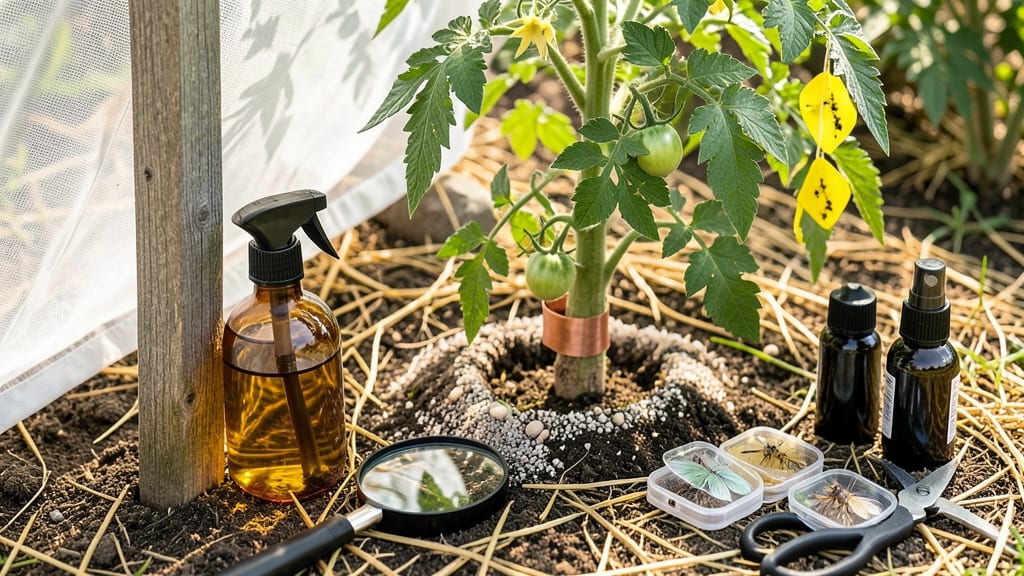
My tomato plants were turning into a buffet for hornworms and aphids—until I discovered how to keep pests off tomato plants with these homemade sprays that stop pests in their tracks within 24 hours. 🌱 The key isn’t fancy equipment, but knowing which pests to target and how to disrupt their life cycle before they ruin your harvest.
Most gardeners reach for chemical sprays first, but I’ve found that neem oil, garlic spray, and insecticidal soap work just as well—without harming bees or beneficial insects. The secret is applying them at the right time (early morning or evening) and reapplying after rain.
One spray won’t solve everything, but combined with companion planting and handpicking, you’ll see a dramatic difference in just a few days. By the end of the season, you’ll have vibrant, pest-free plants producing tomatoes that taste like summer. The best part?
These sprays are cheap, easy to make, and safe for your family and pets. No more losing your entire crop to hungry bugs—just healthy, thriving plants.
Works for container gardens, raised beds, or in-ground plots, and the same principles apply whether you’re dealing with aphids, whiteflies, or those dreaded hornworms. Let’s get those tomatoes protected!
📚 In This Guide
- What you need
- Instructions
- Tips and common mistakes
- Wrapping up and next steps
What you need
- ● Garlic (3-5 cloves) – Fresh, unpeeled bulbs work best for potency.
- ● Cayenne pepper or hot sauce (1 tbsp) – Adds a spicy kick pests hate!
- ● Dish soap (1 tsp) – A natural surfactant to help solutions stick.
- ● Water (1 quart/gallon) – Filtered or distilled is ideal, but tap water works too.
- ● Spray bottle (16 oz or larger) – Look for a fine-mist nozzle for even coverage.
- ○ Neem oil (optional but powerful, 1 tsp) – Boosts effectiveness against stubborn pests.
- ● Garden gloves – Protect your hands from spicy ingredients.
- ● Cheesecloth or fine strainer – For filtering out garlic/cayenne bits if you prefer a smooth spray.
- ● Pruning shears – To trim heavily infested leaves before spraying.
- ● Label maker or sticky notes – Mark your spray bottle to avoid mixing with other garden solutions.
- ● Companion plants (e.g., basil, marigolds, or nasturtiums) – Plant these near tomatoes for extra pest deterrence!
Step-by-Step instructions for homemade tomato pest control
Here's my go-to approach for fast-acting, chemical-free pest protection using kitchen staples.
🌿 Step 1: Prepare the Garlic-Chili Spray Base
Peel and chop 4 cloves of garlic and 1-2 fresh chili peppers (like jalapeño or serrano) into a blender. Add 1 quart of water and blend until completely smooth. This combination creates a potent, natural repellent that pests can't stand—the garlic's sulfur compounds and chili's capsaicin work together to disrupt insect feeding patterns.
Strain the mixture through a fine-mesh sieve or cheesecloth into a clean spray bottle. The leftover pulp can be composted, but don't use it directly on plants—it can clog sprayers and attract pests. I like to add a splash of 1 teaspoon of dish soap to help the mixture cling to leaves, but only if your plants aren't sensitive to mild soaps.
💧 Step 2: Apply at Strategic Times for Maximum Effect
Spray the mixture early in the morning when humidity is high and pests are least active. Focus on the undersides of leaves—this is where aphids, spider mites, and whiteflies hide. You'll see tiny droplets cling to the foliage, creating a protective barrier. Reapply every 3-4 days or after rain, as the solution breaks down quickly in sunlight.
For heavy infestations, I add 1 tablespoon of neem oil to the mix and shake well before spraying. This creates a stronger fungicidal effect while repelling pests. Always test on a small leaf first—some heirloom varieties can be sensitive to oils. The spray should feel slightly tacky when dry, indicating good coverage.
☀️ Step 3: Create a Physical Barrier with Companion Planting
Plant marigolds or basil around your tomato plants to confuse pests with their strong scents. The marigolds release a compound called alpha-terthienyl that deters nematodes and other soil pests, while basil's anise scent masks tomato odors. Space them 12-18 inches from your tomatoes to create an effective perimeter without competing for nutrients.
I also like to sprinkle dried coffee grounds around the base of plants—this repels slugs and adds nitrogen to the soil. The grounds should form a 1-inch thick ring about 6 inches from the stem. Water lightly after applying to help distribute the grounds evenly without clumping.
✂️ Step 4: Maintain with Regular Inspections and Pruning
Check plants daily for early signs of pests—look for tiny webs, chewed leaves, or sticky residue (aphid honeydew). Remove affected leaves immediately and drop them in a sealed bag to prevent reinfestation. Prune suckers and lower leaves to improve airflow, which naturally deters many common tomato pests. Healthy plants with good circulation recover faster from minor pest pressure.
Here's the thing—if you see egg masses on leaves, don't wait. Scrape them off with your fingernail and crush them in soapy water. I keep a small bowl of soapy water nearby during inspections to dispose of pests humanely. The key is acting fast before populations explode—most homemade sprays work best as preventative measures, not cures for severe infestations.
Tips & tricks for natural tomato pest control
These kitchen-tested strategies will help you maximize the effectiveness of your homemade pest deterrents while keeping your tomato plants thriving.
Garlic-Chili Blend Optimization: For a more potent spray, let the chopped garlic and chili peppers sit in the blender for 15 minutes before blending with water. This allows the natural enzymes to activate further, intensifying the sulfur compounds and capsaicin that repel pests. I also recommend using organic garlic if possible—conventional garlic may contain traces of pesticides that could compromise your organic approach.
Application Technique: When spraying in Step 2, hold the bottle 6-8 inches away from the leaves and use a gentle misting motion rather than a direct stream. This ensures even coverage without damaging delicate foliage. For stubborn pests like aphids, I add a few drops of rubbing alcohol to the spray bottle—it acts as a natural solvent that helps break down their protective coatings.
Companion Planting Placement: When creating your physical barrier in Step 3, position marigolds closer (12 inches) to the tomato plants than basil (18 inches). Marigolds have a stronger pest-repelling effect, while basil's scent helps mask tomato odors. I also interplant nasturtiums (optional) between the two—they act as a trap crop, drawing pests away from your tomatoes.
Inspection Shortcuts: During your daily checks in Step 4, use a magnifying glass to inspect leaves for early signs of pests. Look for tiny white specks (egg masses) or fine webbing—these are the first indicators of infestation. I keep a small spray bottle of soapy water nearby to immediately treat any affected areas I find during my routine checks.
Pro Tips for Keep Pests Off Tomato Plants
- These kitchen-tested strategies will help you maximize the effectiveness of your homemade pest deterrents while keepi...
- Garlic-Chili Blend Optimization: For a more potent spray, let the chopped garlic and chili peppers sit in the blender...
- Application Technique: When spraying in Step 2, hold the bottle 6-8 inches away from the leaves and use a gentle mist...
Frequently asked questions
Got questions about keeping pests off your tomato plants?
You’re not alone—here are the most common concerns and quick fixes to keep your garden thriving!
What’s the fastest way to see results with homemade sprays?
Most homemade sprays (like neem oil or garlic spray) work within 24–48 hours if applied correctly. Reapply every 3–7 days or after rain to maintain protection. For immediate results, combine sprays with physical barriers (like row covers) for extra defense.
When is the best time of day to spray tomato plants?
Spray in the early morning or late afternoon to avoid burning leaves from direct sunlight. This also gives the spray time to dry before evening dew forms, maximizing effectiveness. Avoid spraying when plants are wet (like after watering) to prevent diluting the solution.
Are there any companion plants that repel pests naturally?
Plant basil, marigolds, or nasturtiums near tomatoes to deter pests like aphids and hornworms. Basil also improves tomato flavor! Other great companions include onions, garlic, and borage, which confuse pests with their strong scents.
What should I do if pests return after using sprays?
If pests persist, rotate your methods. Try a different spray (e.g., switch from neem to soap spray), introduce beneficial insects (like ladybugs), or check for hidden eggs on leaves. Overwatering or overcrowded plants can also attract pests—ensure good airflow and prune regularly.
Can I use these sprays on other vegetables too?
Yes! Most homemade sprays (like soapy water or garlic spray) are safe for peppers, cucumbers, and eggplants. Always test a small area first to avoid sensitivity. Avoid strong sprays (like vinegar) on delicate plants—stick to mild, plant-safe ingredients.
Wrapping up and next steps
Keeping pests away from your tomato plants doesn’t have to be a battle—just a few simple, natural solutions can make all the difference! 🌱 With homemade sprays, companion planting, and preventive care, you’ll protect your harvest without harsh chemicals. Remember: consistency is key!
Now that you’re armed with these tricks, put them into action and watch your tomato plants thrive. Ready for more? Explore our full companion planting guide to create an even stronger pest-free garden ecosystem!