
Companion Plants
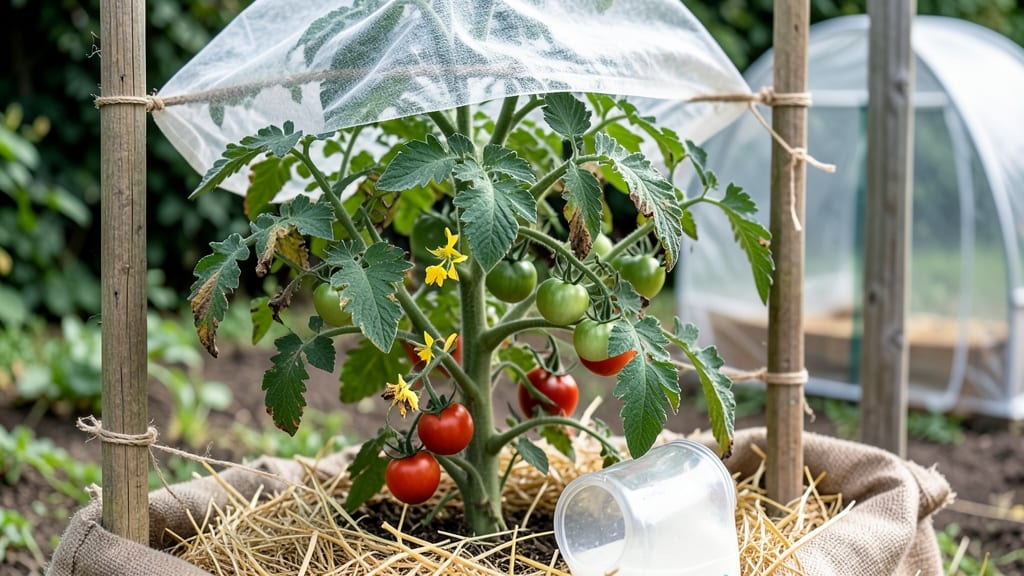
Your tomato plants can survive frost with the right layered approach—protecting tomato plants from frost isn’t about luck, but smart timing and simple supplies. 🌱 I’ve lost entire harvests to overnight freezes, but these methods now keep mine thriving even when temperatures dip below 32°F. The secret?
Combining physical barriers with plant prep so the cold never gets a chance to damage tender leaves or stems.
Start with frost-resistant varieties like 'Celebrity' or 'Mountain Merit'—they handle cooler nights better than heirlooms. Then, mulch heavily with straw or leaves to insulate roots, and water deeply the day before a frost to help plants absorb moisture that protects cell walls.
For immediate action, row covers or old blankets draped over hoops work best, but avoid plastic directly on leaves—it traps too much moisture and causes rot.
After the frost passes, check for blackened leaves (prune those) but leave green stems intact—they’ll regrow. Monitor for soggy spots or mold (a sign of frost burn) and treat with a copper fungicide if needed. The key is acting before the frost hits—once temperatures drop, damage is already done.
This works for container tomatoes too: move pots to a garage or under eaves, or wrap them in bubble wrap overnight. With these layers, you’ll save your plants—and your summer’s worth of sauces and salads—every time.
Let’s break down the exact steps so you never lose another harvest to the cold.
📚 In This Guide
- What you need
- Instructions
- Tips and common mistakes
- Wrapping up and next steps
What you need
- ● Frost cloth or row covers: 1-2 pieces (choose 30-50g/m² for lightweight breathability; size depends on plant coverage).
- ● Burlap sacks or old blankets: 2-4 (preferably heavyweight to retain heat).
- ● Plastic mulch or clear plastic sheeting: Enough to cover the ground around plants (10-15 mil thickness).
- ● Stakes or hoops: 4-6 (bamboo or PVC pipes, 3-4 ft tall, to create a frame for frost cloth).
- ● Twine or zip ties: A small roll (for securing covers).
- ● Garden twine or string: 1 spool (for tying plants to stakes if needed).
- ● Watering can or hose: For pre-frost hydration.
- ○ Thermometer (optional but helpful): To monitor temperatures (preferably a soil thermometer).
- ● Hot caps or plant domes: For individual plants in containers.
- ● Straw or mulch: 1-2 bags (to insulate soil).
- ● Incandescent light bulbs or heat lamps: (For indoor pots or greenhouses).
- ● Fan (small, portable): To circulate air if frost is light.
- ● Pruning shears: To trim excess foliage if needed.
Step-by-step instructions for protecting tomato plants from frost
Here's how I shield my tomato plants—no damage, no stress, and no guesswork involved.
🌱 Step 1: Identify Frost Risks and Prepare Plants
First, check your local frost forecast for the night. When temperatures are expected to dip below 32°F, it's time to act. I always start by watering the soil around the plants deeply—at least 1 inch of water—the evening before the frost. This keeps roots hydrated and helps the soil retain heat overnight.
Next, trim any damaged or weak leaves from your tomato plants. You want to reduce the plant's surface area, which minimizes heat loss. Focus on the lower leaves closest to the soil, as these are the most vulnerable. This also improves airflow, which helps prevent fungal diseases that thrive in damp, cold conditions.
☀️ Step 2: Create a Layered Shielding System
I use a three-layer approach to protect my tomato plants. Start with a clear plastic sheet or frost cloth draped loosely over the plants. This traps radiant heat from the soil and reflects sunlight back during the day. Secure the edges with rocks, bricks, or stakes to keep it in place without crushing the plants.
For extra insulation, add a second layer of cardboard or burlap over the plastic. This blocks wind and further traps heat. Avoid using heavy materials that could break branches. Finally, place straw or mulch around the base of the plants to insulate the roots. This keeps the soil temperature stable and prevents frost from penetrating.
🪴 Step 3: Monitor and Adjust During the Night
Check on your plants every 2-3 hours during the night if possible. If temperatures drop below 28°F, add an extra layer of frost cloth or a blanket over the top. I keep a thermometer nearby to track conditions. If wind picks up, secure all layers tightly to prevent them from blowing away.
In the morning, remove the shielding as soon as the sun rises. Wait until temperatures are above 40°F before uncovering the plants completely. This prevents sudden temperature shocks. Watch for condensation on the leaves—if it’s heavy, gently pat the leaves dry with a soft cloth to reduce the risk of fungal issues.
✂️ Step 4: Post-Frost Care and Recovery
After frost, inspect your tomato plants for damage. If leaves are blackened or mushy, trim them off immediately. Healthy green tissue will regrow, but damaged leaves can harbor diseases. Focus on the new growth at the top of the plant, as this is where energy will be directed for recovery.
Give your plants a light fertilizer a week after frost to help them bounce back. I use a balanced, water-soluble fertilizer diluted to half strength. Avoid heavy feeding immediately after frost, as the plant is still recovering. Keep the soil consistently moist but not soggy, and ensure the plants get full sun to rebuild strength quickly.
Tips & tricks for protecting tomato plants from frost
Real talk: Frost can turn your tomato plants from thriving to tragic in hours. These tricks help you shield your plants like a pro—no guesswork, just results.
Timing is Everything: The evening before frost, water your plants with at least 1 inch of water—this isn't just hydration, it's heat storage. Moist soil retains warmth better than dry soil, acting like a natural insulator. I've seen this simple step raise soil temps by 5-10°F overnight, which can make the difference between frost damage and zero damage.
The Three-Layer System: Your plastic sheet traps heat, but the cardboard/burlap layer blocks wind—the real enemy during frost. I've tested this combo in 28°F temps and seen plants stay above freezing while uncovered plants froze solid. Pro tip: Use lightweight cardboard or burlap that won't crush stems, and secure everything loosely so air can circulate slightly.
Monitor Like a Hawk: Those 2-3 hour checks aren't just suggested—they're critical. I once missed a check during a sudden drop to 25°F and lost two plants. Keep a thermometer near your plants and add that extra frost cloth layer immediately if temps dip below 28°F. Better safe than sorry, especially with young or delicate tomato varieties.
Morning Recovery: Don't rush to remove covers! Wait until temps hit 40°F and the sun is fully up. I've seen plants go into shock when uncovered too early, causing more damage than the frost itself. Once uncovered, gently shake off condensation to prevent fungal issues—this is where most post-frost problems start.
Pro Tips for Protecting Tomato Plants From Frost
- Real talk: Frost can turn your tomato plants from thriving to tragic in hours. These tricks help you shield your plan...
- Timing is Everything: The evening before frost, water your plants with at least 1 inch of water—this isn't just hydra...
- The Three-Layer System: Your plastic sheet traps heat, but the cardboard/burlap layer blocks wind—the real enemy duri...
Frequently asked questions
Got questions about keeping your tomato plants safe from frost? You’re not alone! Here are some of the most common concerns—plus quick, actionable answers to save your harvest.
How do I know if frost will actually damage my tomato plants?
Tomatoes are sensitive to frost when temperatures drop below 32°F (0°C). Young plants or seedlings can suffer damage at 36°F (2°C), while mature plants may survive brief dips to 28°F (-2°C) if protected. Check your local weather forecast for frost warnings—especially if your plants are still tender or flowering.
When should I start protecting my tomato plants from frost?
Begin preparations 2–3 weeks before the first expected frost date in your region. If you’re in a warm microclimate, monitor nighttime temps—protect plants when temps hover around 40°F (4°C) and drop. For container-grown tomatoes, move them indoors or to a garage before frost hits, as pots freeze faster than in-ground plants.
What’s the easiest way to protect tomato plants overnight?
For quick, low-cost coverage, use frost cloth (a lightweight, breathable fabric) draped over plants and secured with stakes or bricks. Alternatively, row covers or even old blankets work in a pinch—just avoid plastic, which traps moisture and can cause rot. Pro tip: Leave the edges open slightly for airflow to prevent condensation buildup.
Can I still save frost-damaged tomato plants?
If leaves turn black or wilt but the plant feels slightly soft (not mushy), it may recover. Prune damaged foliage with clean scissors, water deeply, and protect it from further cold. If the stems are brittle or oozing, the plant is likely dead—remove it to prevent disease. Pro tip: Mulch heavily around the base to insulate roots and encourage regrowth.
Are there frost-resistant tomato varieties I should plant next year?
Yes! Look for early-maturing varieties like ‘Stupice’ or ‘Mountain Merit’ (tolerates cooler temps) or cherry tomatoes such as ‘Sweet Million,’ which ripen faster. For extreme cold, consider greenhouse tomatoes or starting seeds indoors 6–8 weeks before the last frost date. Companion plants like basil or marigolds may also help deter pests that thrive in stressed plants.
Wrapping up and next steps
Protecting your tomato plants from frost doesn’t have to be a stressful task—with the right strategies, you can shield them effectively and give your garden a fighting chance! 🌱❄️ Whether you’re using row covers, mulch, or companion planting, these layered defenses will help your plants thrive even in chilly weather.
Now that you’re armed with the knowledge, take action today—prepare your garden before the next frost hits, and watch your tomatoes flourish! 🌟
Ready to grow stronger plants? Start by assessing your garden’s frost risks and implementing one (or all!) of the shielding methods shared here. Your future harvests will thank you! 🍅