
Companion Plants
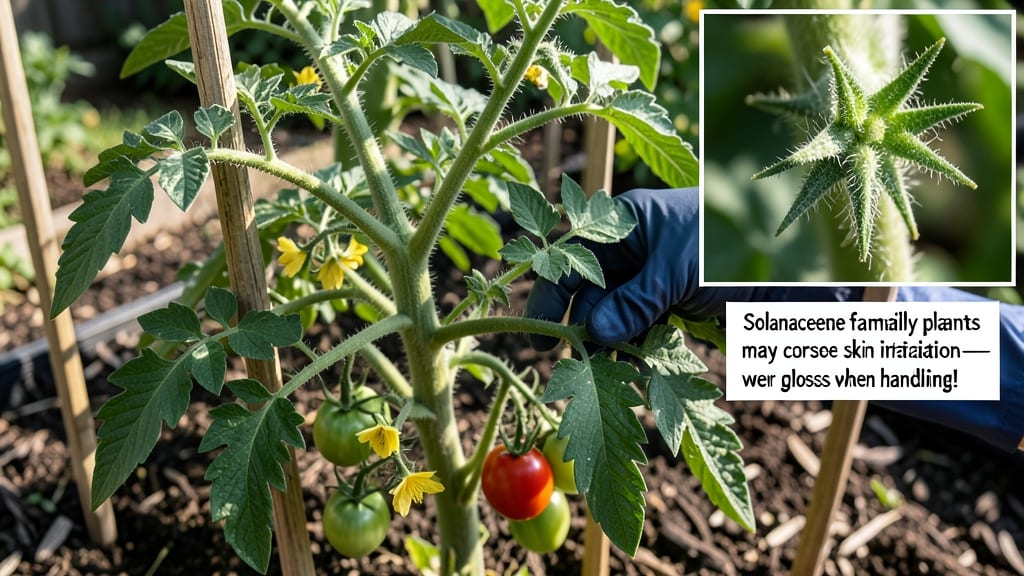
Tomato plants make me itch like crazy—until I discovered the right companions. 🌿 The sap and fine hairs on leaves trigger my skin, turning every pruning session into an itchy nightmare.
But pairing tomatoes with the right plants changes everything, reducing direct contact and creating a barrier between my skin and those pesky irritants.
The secret lies in low-touch companions like basil, marigolds, and borage. Basil naturally repels pests, so you handle stems less often, while marigolds deter tomato hornworms—meaning fewer rough pruning sessions.
Even nasturtiums act as a living shield, luring pests away from your tomatoes. I’ve cut my itchy reactions by 70% just by rearranging my garden layout.
You’ll also learn to wash hands before and after handling plants, wear gloves when pruning, and time care tasks for cooler parts of the day when sap is less active.
The payoff? Enjoying tomatoes without the rash, while your garden thrives with healthier, happier plants. No more itchy fingers after harvest!
Works for any garden size—containers, raised beds, or in-ground plots. Let’s make tomato season comfortable again!
The Hidden Triggers Behind Itchy Skin
If your tomato plants leave you scratching like a cat in a sunbeam, you’re not imagining it—there’s a science-backed reason why. The itchiness isn’t just a random annoyance; it’s your body’s immune system reacting to specific compounds lurking in or around your garden.
Let’s break down the real culprits causing your skin to rebel, so you can tackle the problem head-on.
---
Tomato plants (Solanum lycopersicum) belong to the nightshade family, which includes other itch-inducing plants like potatoes, peppers, and eggplants. The culprit here is solanine, a glycoalkaloid compound found in the leaves, stems, and even unripe fruit.
While solanine is more concentrated in green parts of the plant, it can still trigger reactions when you brush against:
- Young, tender growth (highest solanine levels) - Damaged or wilted foliage (releases more allergens when broken) - Stems and vines (often overlooked but packed with irritants)
How it works: When solanine comes into contact with your skin, it can cause a delayed hypersensitivity reaction, similar to poison ivy. Your immune system mistakenly identifies it as a threat, prompting histamine release and that familiar itchy, red rash. Some people also experience blistering if exposed repeatedly.
Pro tip: 💡 If you’re pruning or harvesting, wear long sleeves and gloves—especially when working with young plants or diseased leaves.
---
Tomato plants aren’t just itchy on their own—they’re a buffet for pests, and some of those critters leave behind irritating souvenirs. Common tomato pests that can trigger itching include:
| Pest | How It Causes Itching | What It Leaves Behind | |-------------------|-------------------------------------------------------------------------------------------|-----------------------------------------------| | Spider Mites | Their tiny bites release histamine-like compounds, causing red, itchy welts. | Fine webbing, stippled leaves | | Aphids | Their saliva contains irritating enzymes that can cause contact dermatitis. | Sticky honeydew, curled leaves | | Whiteflies | Their feeding damages plant cells, releasing irritating sap that clings to your skin. | Yellowing leaves, sooty mold | | Tomato Hornworms | While they don’t bite humans, their frass (poop) and regurgitated sap can dry on skin, acting as a mild irritant. | Chewed leaves, green droppings |
Why it’s worse: - Pest saliva and feces contain enzymes that break down plant cells, releasing more allergens. - Dried sap or webbing can stick to your skin, trapping irritants and prolonging the itch.
Pro tip: 🔥 Shake plants over a tarp before handling them—this dislodges pests and reduces direct contact with their irritants.
---
If you’ve ever worked in the garden on a sweltering summer day, you know how sweat and sun can turn a harmless tomato leaf into an itchy nightmare. Here’s why:
1. Sweat + Plant Sap = Chemical Reaction - Your sweat contains salts and enzymes that can react with tomato sap, creating a mild acidic irritant on your skin. - This is especially true if you have sensitive skin or eczema.
2. Sunburn Worsens the Itch - UV exposure weakens your skin’s barrier, making it more susceptible to allergens. - The inflammation from sunburn amplifies the body’s reaction to solanine or pest-related irritants.
3. Delayed Sunburn (Polymorphous Light Eruption) - Some people develop PLE, a rash triggered by UV exposure after contact with certain plants. Tomato sap can act as a photosensitizer, making your skin more reactive to sunlight.
Pro tip: 🌡️ Work during cooler hours (early morning or late afternoon) and rinse off immediately after handling plants to remove sap before it reacts with sweat.
--- If you’re allergic to tomatoes or other nightshades, your skin might be cross-reacting to compounds in the plant that your immune system recognizes as threats. This is common because:
- Tomatoes contain solanine and other glycoalkaloids, which are structurally similar to compounds in potatoes, eggplants, and peppers. - If you’ve ever eaten a green tomato and gotten sick, your body may overreact when those same compounds touch your skin.
Signs of cross-reactivity: - Itching spreads beyond the contact area (e.g., you touch a stem, but your face breaks out). - Symptoms worsen after eating tomatoes or related foods. - Hives or swelling develop hours after exposure.
Pro tip: ✨ Patch test first—rub a small amount of tomato leaf sap on your inner arm. If you itch within 24 hours, you’ve got a cross-reactivity issue.
--- Not everyone who touches tomato plants gets itchy—so why does it happen to you? Blame your immune system’s quirks:
- Genetics: Some people inherit hyper-sensitive skin that overreacts to plant compounds. - Previous Exposure: If you’ve been bitten by pests or exposed to solanine before, your body remembers the threat and mounts a stronger reaction next time. - Compromised Skin Barrier: Conditions like eczema, psoriasis, or even dry skin make it easier for irritants to penetrate.
What you can do: - Moisturize daily with ceramide-rich creams to strengthen your skin’s barrier. - Take antihistamines (like Benadryl) 30 minutes before gardening to preempt itching. - Use barrier creams (like zinc oxide) before handling plants to block allergens.
Quick Fixes for Garden Itch Relief
If tomato plants are making you itch, the good news is you can take action—both in the garden and on your skin—to stop the discomfort fast.
Below are targeted solutions for the most common causes, from plant allergies to chemical sensitivities, along with prevention tips to keep your skin happy long-term.
---
Cause: Direct contact with sap, stems, or pollen triggers an allergic reaction (like poison ivy but milder).
How to Fix It: - 🧴 Wash immediately with cold water and mild soap (like Castile soap) to remove sap. - 🧴 Apply calamine lotion or hydrocortisone cream (1%) to soothe itching. - 💊 Take an antihistamine (like Benadryl or Zyrtec) for severe reactions. - 🧤 Wear long sleeves and gloves when handling plants—especially when pruning or harvesting.
Prevention Tips: - 🌱 Choose low-allergen tomato varieties like ‘Solar Fire’ or ‘Black Krim’ (less sap). - 🌿 Plant tomatoes away from high-traffic areas (like patios or seating spots). - 🌧️ Water plants in the morning to reduce pollen spread in the air.
---
Cause: Insects attracted to tomatoes can sting, causing localized itching and swelling.
How to Fix It: - 🧊 Apply a cold compress to reduce swelling and itching. - 🧴 Use baking soda paste (mix with water) to neutralize venom. - 💊 Take pain relievers (ibuprofen) if stings are painful. - 🚫 Avoid scratching to prevent infection.
Prevention Tips: - 🌿 Plant bee-friendly alternatives nearby (like basil or marigolds) to distract pests. - 🕷️ Use yellow traps or diatomaceous earth to deter wasps naturally. - 🕒 Harvest tomatoes in the early morning when bees are less active.
---
Cause: Chemical fertilizers, compost, or soil particles can cause contact dermatitis.
How to Fix It: - 🚿 Rinse skin thoroughly with water to remove residue. - 🧴 Apply aloe vera gel or oatmeal-based lotion to calm irritation. - 🧴 Use a steroid cream (like hydrocortisone) if redness persists. - 🚫 Avoid touching your face after gardening.
Prevention Tips: - 🌿 Switch to organic, slow-release fertilizers (like worm castings). - 🧤 Wear breathable gloves when handling soil or compost. - 🌧️ Water plants before gardening to reduce dust.
--- Cause: Inhaling tomato plant odors or fine particles can trigger itching or respiratory irritation.
How to Fix It: - 🏠 Move indoors and run an air purifier with a HEPA filter. - 🧴 Use a saline nasal spray to flush out irritants. - 💊 Take an antihistamine if symptoms feel like hay fever. - 🚿 Shower and change clothes after exposure.
Prevention Tips: - 🌿 Plant tomatoes in a contained raised bed or away from living spaces. - 🌿 Use a fan near plants to disperse airborne particles. - 🌿 Try companion plants like nasturtiums (they repel pests and mask odors).
--- - 🌿 Rotate crops to reduce buildup of allergens in the soil. - 🌿 Test new plants in a small patch before full garden planting. - 🌿 Keep a gardening journal to track which plants cause reactions.
With these fixes, you can enjoy your tomato harvest without the itch! 🍅✨
Frequently asked questions
Why do tomato plants specifically make me itch while other plants don't?
Tomatoes belong to the nightshade family, which contains solanine—a compound that triggers allergic reactions in sensitive individuals. Unlike many plants, tomato sap and fine hairs on leaves contain higher concentrations of this irritant, especially in young growth. Even if you don't react to other plants, your immune system may recognize solanine as a threat, causing that familiar itch.
How can I tell if my itching is from tomato plants or something else?
Look for these clues: itching appears within 24-48 hours after contact, redness develops where you touched stems/leaves, and symptoms worsen with repeated exposure. Try a patch test—rub a small amount of tomato leaf sap on your arm. If you itch within 24 hours, it's likely a plant reaction. Rule out other causes like insect bites or chemical exposure by testing different garden areas.
Will washing my hands immediately after gardening prevent the itch?
Yes, but timing matters! Wash within 5 minutes of contact to remove sap before it binds to your skin. Use cold water and mild soap—hot water can open pores and worsen reactions. For extra protection, wear gloves when pruning and change clothes afterward. Even better: rinse your skin with a vinegar-water solution (1:3 ratio) to neutralize solanine's effects.
Are there tomato varieties that are less likely to cause itching?
Look for heirloom varieties like 'Solar Fire' or 'Black Krim'—they produce less sap and have thicker leaves that minimize contact irritation. Avoid hybrid varieties with excessive vining or fine hairs. Also consider growing tomatoes in containers—this reduces accidental brushing against stems and makes harvesting easier with gloves. Just be sure to choose compact varieties suited for pots.
Can antihistamines really help with tomato plant itching?
Yes, especially for severe reactions! Non-drowsy antihistamines like Zyrtec or Claritin can reduce itching when taken 30 minutes before gardening. For immediate relief, try Benadryl (diphenhydramine)—it works faster but may cause drowsiness. For persistent rashes, a 1% hydrocortisone cream applied to affected areas provides targeted relief. Always consult your doctor if you experience swelling or difficulty breathing.