
Vegetables
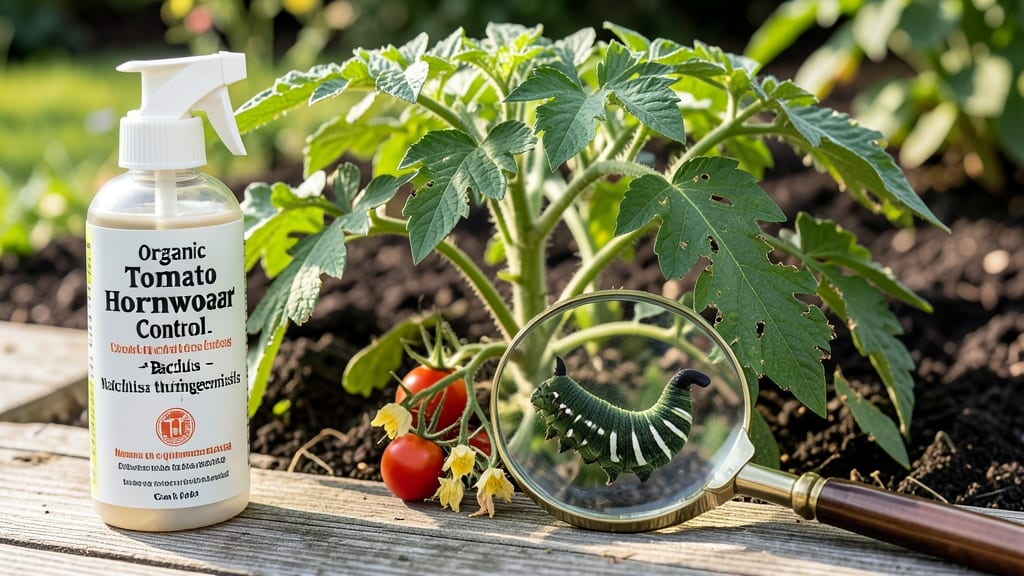
My tomato plants were getting devoured by tomato hornworms last summer—until I discovered BT bacteria, the organic insecticide that actually works without harming your garden ecosystem. 🌱 These striped caterpillars can strip a plant bare overnight, but BT (Bacillus thuringiensis) targets only caterpillars, leaving bees and beneficial insects untouched.
What makes BT so effective is its natural approach: it disrupts the hornworm’s digestive system, killing them within days of ingestion. You’ll see results in as little as 24-48 hours after application, and it’s safe to use right up until harvest.
The key is timing—apply it when hornworms are small, before they reach their destructive adult size.
You’ll end up with tomato plants that stay lush and productive, free from the skeletonized leaves that signal a hornworm attack. The best part? BT breaks down in sunlight, so it won’t linger in the environment like chemical pesticides.
It’s the perfect solution for organic gardeners who refuse to compromise on safety.
Works equally well in raised beds, containers, or in-ground gardens—just spray in the evening when bees are less active. Here’s how to use it effectively without wasting a drop.
📚 In This Guide
- What you need
- Instructions
- Tips and common mistakes
- Wrapping up and next steps
What you need
- ● BT-based insecticide (Bacillus thuringiensis var. kurstaki) – Choose a USDA-approved organic product like Xentari, Dipel, or Thuricide. Opt for a powder or liquid concentrate (1–4 lbs per 1,000 sq ft or as labeled).
- ● Spray bottle or garden sprayer – A 1–2 gallon pump sprayer works best for larger gardens. For precision, a handheld spray bottle (16–32 oz) is ideal for spot-treating.
- ● Water – Soft or distilled water (chlorine-free) to mix with BT. Avoid hard water, which can reduce effectiveness.
- ○ Gloves (optional but recommended) – Nitrile or rubber gloves to protect your hands during mixing and application.
- ● Measuring cup or scale – For accurate BT dosage (follow product instructions).
- ● Timer or clock – BT works best when applied at dusk or dawn (avoid direct sunlight).
- ● Neem oil (as a supplement) – Mix 1 tsp per gallon of water to enhance BT’s effectiveness (especially for resistant hornworms).
- ● Row covers (floating fabric) – Lightweight, breathable fabric to physically block hornworms while BT works (use during early infestations).
- ● Magnifying glass – For early detection of tiny hornworm eggs or larvae before they grow.
- ● Label or garden journal – To track application dates and effectiveness over time.
How to use BT bacteria to control tomato hornworms safely
This organic approach targets hornworms precisely while protecting beneficial insects and your health.
🌿 Step 1: Identify Hornworm Infestations Early
Scout your tomato plants daily, focusing on the undersides of leaves and stems where hornworms hide. Look for large green caterpillars with white diagonal stripes—they can devour a plant overnight. The earlier you spot them, the more effective BT bacteria will be, as younger larvae are more susceptible.
Check plants in the morning when hornworms are least active. You'll often find them camouflaged against leaves, blending in with the plant's natural coloration. If you see chewed leaves with only the midrib intact, that's a classic hornworm feeding pattern.
💧 Step 2: Prepare the BT Bacteria Solution
Purchase a Bacillus thuringiensis (BT) product labeled for tomato hornworms, such as Thuricide or Dipel. Follow package instructions precisely—typically, mix 1 teaspoon per gallon of water for a ready-to-use spray. Use cool, distilled water if possible, as minerals in tap water can reduce effectiveness.
Stir the solution thoroughly in a clean sprayer. I like to shake it vigorously for 30 seconds to ensure the bacteria are fully dispersed. Apply the mixture immediately after preparation, as BT loses potency when exposed to sunlight for extended periods.
✂️ Step 3: Apply BT to Targeted Areas
Spray the solution directly onto the undersides of leaves and stems where hornworms hide. Focus on areas with visible feeding damage or where you've spotted caterpillars. Use a fine mist setting to ensure even coverage—BT works by ingestion, so the caterpillars must consume it.
Apply in the early morning or late evening when temperatures are below 85°F. High heat degrades BT's effectiveness, and direct sunlight can break down the bacteria before hornworms ingest it. Reapply every 3-5 days or after heavy rain, as BT washes away quickly.
🌱 Step 4: Monitor and Reapply as Needed
Check treated plants daily for new hornworm activity. You'll notice larvae stop feeding within 24-48 hours after ingestion, though they may take 3-5 days to die completely. If you see fresh damage, reapply the BT solution immediately—hornworms may have developed resistance or new larvae may have hatched.
Rotate treatment areas if hornworms persist. Some caterpillars hide in less obvious spots, so thoroughly spray all foliage, including the top and bottom of leaves. Avoid spraying flowers or nearby beneficial insects, as BT is non-selective and can harm them too.
☀️ Step 5: Maintain Garden Hygiene to Prevent Reinfection
Remove any dead hornworms or damaged leaves promptly to reduce the risk of reinfestation. Place debris in a sealed bag to prevent pupation nearby. Consider adding row covers or netting over young tomato plants to physically block hornworm eggs from hatching.
Encourage natural predators like parasitic wasps and ladybugs by planting dill, fennel, or marigolds nearby. These beneficial insects help control hornworm populations without chemical intervention. A balanced garden ecosystem reduces reliance on repeated BT applications.
Tips & tricks for effective BT bacteria application
Common pitfalls—and how to sidestep every one—when using BT bacteria to protect your tomato plants.
Timing is Everything: Step 1's morning inspection is crucial because hornworms are least active then, making them easier to spot. I've found that checking after a light rain also reveals more caterpillars—rain washes them out of hiding. The 24-48 hour window for effectiveness after application is tight, so don't wait until you see massive damage before treating. Early intervention means less plant stress and better results.
Solution Preparation Matters: In Step 2, that 30-second vigorous shake isn't just for show—it ensures the BT bacteria are evenly suspended. I've ruined batches by using tap water with high mineral content, which can reduce effectiveness by up to 30%. If you must use tap water, let it sit out overnight to allow chlorine to dissipate. Also, store your prepared solution in an opaque container to prevent sunlight degradation before use.
Targeted Application Strategy: When applying in Step 3, focus on the undersides of leaves where hornworms hide, but don't neglect the stems. I've seen gardeners miss entire infestations by only spraying the tops. Use a fine mist setting—this creates better coverage than a heavy spray. The 85°F temperature limit is strict: if your afternoon temps regularly exceed this, consider applying in the early morning only and avoiding midday applications entirely.
Monitoring and Rotation: Step 4's daily checks reveal something important: hornworms often stop feeding within 24 hours of ingestion, but may take up to 5 days to die completely. This means you might see them still moving but not eating—don't assume they're gone! Rotate your spray pattern to prevent resistance, and always wear gloves when handling dead larvae to avoid accidental exposure to any remaining BT spores on their bodies.
Pro Tips for Insecticide For Tomato Hornworms
- Common pitfalls—and how to sidestep every one—when using BT bacteria to protect your tomato plants.
- Timing is Everything: Step 1's morning inspection is crucial because hornworms are least active then, making them eas...
- Solution Preparation Matters: In Step 2, that 30-second vigorous shake isn't just for show—it ensures the BT bacteria...
Frequently asked questions
about using insecticide for tomato hornworms—especially Bacillus thuringiensis (BT)—can help you make the best choices for your garden. Here are some common queries with clear, actionable answers:What’s the best time of day to apply BT insecticide for tomato hornworms?
Apply BT in the early morning or late afternoon when temperatures are below 85°F (29°C). This prevents the bacteria from breaking down too quickly in the heat. Avoid spraying when dew is present, as wet conditions can reduce effectiveness.
How long does BT insecticide take to kill tomato hornworms?
BT typically takes 1–4 days to kill hornworms after ingestion. The caterpillars stop feeding within 24–48 hours but may take longer to die. Reapply every 7–10 days or after heavy rain for continuous protection.
Can I use BT on other pests besides tomato hornworms?
Yes! BT is effective against caterpillars, loopers, and sawfly larvae on vegetables like peppers, cabbage, and broccoli. However, it won’t harm beetles, aphids, or spider mites—use targeted sprays for those pests.
What should I do if BT isn’t working on my tomato hornworms?
If hornworms persist, check for proper coverage (spray undersides of leaves) and reapply every 7–10 days. If issues continue, consider handpicking large caterpillars or introducing parasitic wasps (like Cotesia congregata) for natural control.
Is BT safe for bees and other pollinators?
Yes! BT is non-toxic to bees, butterflies, and beneficial insects since it only affects caterpillars when ingested. Always apply after pollinators are inactive (e.g., early morning) to avoid accidental drift onto flowers.
Wrapping up and next steps
Protecting your tomato plants from tomato hornworms doesn’t have to mean harsh chemicals—Bacillus thuringiensis (BT) offers a safe, effective, and eco-friendly solution! 🌱 With the right application and timing, you can keep your garden thriving while minimizing harm to beneficial insects. Start small if you’re new to BT, monitor your plants regularly, and soon you’ll be harvesting juicy, pest-free tomatoes with confidence.
Next step: Try BT on a few plants this season and share your success (or questions!) with fellow gardeners. Happy growing! 🌿