
Plants
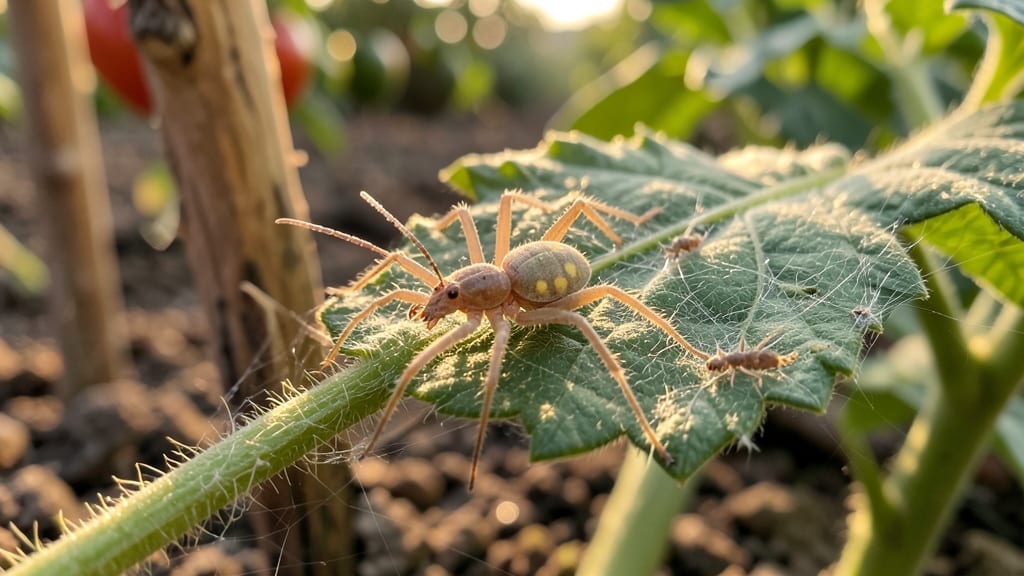
Spider mites on tomato plants can turn lush foliage into dusty skeletons in days—unless you act fast. 🌱 I’ve battled these tiny pests and learned the organic spray combo that stops them within 48 hours without harming your plants or the environment.
The key is targeting their weak spots: neem oil disrupts their life cycle, insecticidal soap suffocates them on contact, and a hose blast washes away eggs hiding in the undersides of leaves. Most gardeners overlook the undersides—that’s where 90% of the infestation hides.
You’ll see results after one treatment, but repeat every 5-7 days for heavy cases. The plants stay green, keep producing, and you avoid the crunchy, yellowed leaves that scream, “Too late!” This method works for peppers, eggplants, and other veggies too. Let’s get those tomatoes thriving again—no chemicals required.
Root Causes of Tomato Plant Infestations
Spider mites may seem like tiny, harmless pests, but they thrive under specific conditions that often stem from gardeners’ well-intentioned (or overlooked) practices. Understanding these triggers is key to preventing outbreaks before they spiral out of control.
Here’s why these eight-legged troublemakers target your tomato plants—and how to address the underlying issues.
---
Spider mites are desert-dwelling survivors—they flourish in hot, dry climates where humidity drops below 40%. Tomato plants, especially in summer, become stressed under these conditions, producing sticky, sugary honeydew that attracts mites. Here’s the science:
- High temperatures (above 85°F/29°C) accelerate their reproduction cycle, allowing females to lay hundreds of eggs in weeks instead of months. - Low humidity causes tomato leaves to wilt slightly, making them less appealing to predators (like ladybugs) but more attractive to mites, which thrive on stressed foliage. - Dry soil triggers osmotic stress in plants, forcing them to release volatile organic compounds (VOCs) that signal distress—essentially a dinner bell for mites.
Actionable fix: 💡 Mulch heavily with straw or wood chips to retain moisture, and mist plants daily during heatwaves. A shade cloth (30-50%) can also lower leaf temperatures by 10-15°F.
---
While nitrogen-rich fertilizers promote leafy growth, they create a soft, lush buffet for spider mites.
The problem? Excess nitrogen leads to: - Weak cell walls in tomato leaves, making them easier for mites to pierce and feed on. - Reduced plant resilience, so mites can multiply faster before the plant mounts a defense. - Altered plant chemistry, producing more sugars in the sap—mite fast food.
Red flags: Yellowing lower leaves, rapid but weak vine growth, and sticky residue (honeydew) on leaves.
Actionable fix: 🌱 Switch to a balanced fertilizer (10-10-10 or 5-5-5) and reduce nitrogen by half. Compost tea or fish emulsion (diluted) provides nutrients without overfeeding.
---
Spider mites are not the original invaders—they’re usually hitchhikers that arrive after their predators (like ladybugs, lacewings, or predatory mites) are already gone. Common reasons for predator loss:
| Cause | Why It Matters | How to Fix It | |--------------------------|-----------------------------------------------------------------------------------|--------------------------------------------| | Pesticide overuse | Kills beneficial insects first, leaving mites unchecked. | Use neem oil or insecticidal soap only when mites appear. | | Monoculture gardening | Fewer plants = less biodiversity = fewer predator habitats. | Plant companion flowers (marigolds, basil) to attract predators. | | Sudden weather shifts | Cold snaps or floods wipe out adult predators, giving mites a head start. | Introduce prey like aphids to lure predators back. |
Actionable fix: ✨ Install a "predator hotel"—a small mesh-covered box with straw and leaves near your tomatoes to shelter ladybugs. Release commercially bred lacewings if outbreaks persist.
---
Spider mites love drought-stressed plants because: - Wilting leaves become easier to penetrate with their stylets. - Reduced turgor pressure (plant rigidity) makes it harder for predators to groom mites off leaves. - Dry leaf surfaces allow mites to move faster (they “balloon” on silk threads in dry air).
Common mistakes: - Underwatering (soil stays bone-dry between waterings). - Overhead watering (creates damp leaf conditions that mites avoid but fungi love, complicating treatments).
Actionable fix: 💦 Water deeply at the base (1-2 inches per week) using a drip irrigation system or soaker hose. Early morning watering prevents fungal growth while keeping leaves dry.
--- Some tomato varieties are naturally more resistant to pests due to: - Thicker cuticles (harder for mites to pierce). - Higher levels of trichomes (tiny hair-like structures that trap mites). - Natural compounds like alpha-tomatine, which repels soft-bodied pests.
Susceptible varieties: Cherry tomatoes (thin leaves), heirlooms (delicate foliage). Resistant picks: ‘Mountain Merit’, ‘Defiant PhR’, or ‘Solar Fire’ (hybrids bred for disease/pest resistance).
Actionable fix: 🌱 Rotate crops annually and plant resistant hybrids if mites are a recurring issue. Prune lower leaves to improve airflow and reduce hiding spots.
--- Even organic sprays can leave residues that: - Disrupt plant defenses, making tomatoes more vulnerable. - Alter leaf chemistry, making sap more nutritious for mites. - Kill off competitor pests, reducing natural competition for resources.
Offending substances: - Neem oil (overused) – Can build up resistance in mites if applied too frequently. - Synthetic fungicides – Often broad-spectrum, wiping out predator populations.
Actionable fix: 🧼 Flush soil with water after treatments and avoid back-to-back sprays. Use rotating organic sprays (neem + horticultural oil + insecticidal soap) to prevent resistance.
--- Controlled environments (greenhouses, grow tents) create perfect mite paradises because: - Stagnant air = high CO₂ levels, which boost mite metabolism. - Artificial lighting can increase leaf temperatures by 10-20°F, accelerating reproduction. - No natural predators (birds, wind, or weather) to keep populations in check.
Actionable fix: 🌬️ Increase ventilation with oscillating fans (mimics wind, disrupts mite movement). Use reflective mulch to lower leaf temps. Release beneficial mites (Phytoseiulus persimilis) for biological control.
--- Tomatoes under stress from: - Root disturbance during transplanting. - Hail or pest damage (e.g., aphids weakening leaves). - Competition from weeds (stealing nutrients).
Plants release stress hormones that attract mites as secondary invaders.
Actionable fix: 🌿 Hardening off seedlings before transplanting and mulching heavily to protect roots. Handpick large pests** (like hornworms) to prevent secondary mite infestations.
Quick Fixes for Tomato Plant Pests
Spider mites may seem like a tiny nightmare, but with the right approach, you can banish them fast—without harsh chemicals. Below are targeted solutions based on the root cause of your infestation, plus prevention tips to keep your tomato plants thriving. Let’s tackle this head-on!
---
Spider mites love weak, water-stressed plants. If your tomatoes are wilting, yellowing, or packed too tightly, they’re basically an all-you-can-eat buffet for mites.
#### 🌱 Step 1: Prune for Better Airflow - Trim crowded foliage to improve airflow—mites thrive in humid, stagnant conditions. - Remove yellow or damaged leaves (they’re mite magnets). - Pro tip: 💡 Use sharp, clean pruners to avoid spreading mites to healthy parts.
#### 💦 Step 2: Water Deeply (But Not Too Much!) - Water at the base in the early morning to reduce humidity on leaves. - Avoid overhead watering—wet leaves = mite paradise. - Pro tip: 🌡️ Use a moisture meter to check soil before watering (aim for 1–2 inches deep).
#### 🍃 Step 3: Feed Them Right - Fertilize with balanced organic nutrients (like compost tea or fish emulsion) to strengthen plants. - Avoid excess nitrogen—it leads to soft, weak growth mites adore. - Pro tip: ✨ Try a seaweed-based fertilizer for natural pest resistance.
--- If you’ve spotted fine webbing, stippled leaves, or tiny moving dots, the mites are already feasting. Act fast with these organic, effective sprays and traps.
#### 🍳 DIY Neem Oil Spray (Best for Light Infestations) What you’ll need: - 1 tbsp neem oil (100% cold-pressed) - 1 tsp mild liquid soap (like Castile) - 1 quart water - Spray bottle
How to make it: 1. Mix ingredients in the bottle. 2. Shake well before each use (neem oil separates). 3. Spray undersides of leaves (mites hide there!) and stems. 4. Reapply every 5–7 days until mites disappear.
Pro tip: 🔥 Add a few drops of garlic oil for extra pest-repelling power!
#### 👨🍳 Homemade Soap Spray (For Heavy Infestations) What you’ll need: - 1 tbsp dish soap (like Dawn—no fragrances) - 1 quart water - Spray bottle
How to use: 1. Mix soap and water. 2. Spray directly on mites (they’ll dry out in minutes). 3. Repeat every 3–4 days for 2 weeks. 4. Warning: Test on a small leaf first—some plants are soap-sensitive.
#### 🕸️ Yellow Sticky Traps (Monitor & Trap Mites) - Place yellow sticky cards near plants to catch adult mites. - Check traps daily—if you see 5+ mites, it’s time for stronger action. - Pro tip: 🎯 Hang traps above the canopy for best results.
#### 🐝 Introduce Beneficial Predators (Long-Term Fix) - Ladybugs, lacewings, or predatory mites (like Phytoseiulus persimilis) devour spider mites. - Buy them online or from garden centers. - Pro tip: 🌿 Release them at dusk when mites are least active.
--- Once you’ve kicked the mites out, lock them out with these easy habits:
| Do This | Avoid This | |---------------------------|-----------------------------| | Inspect new plants before bringing them home. | Overwatering—keep soil moist, not soggy. | | Rotate crops yearly to prevent buildup. | Using chemical pesticides (they kill good bugs too!). | | Mulch around plants to retain moisture and deter mites. | Ignoring early signs (tiny webs = red flag!). | | Encourage diverse plants (marigolds, basil) to attract predator bugs. | Planting tomatoes in the same spot every year. |
Pro tip: 🌱 Plant basil near tomatoes—its scent repels spider mites naturally!
--- - Mild infestations: Notice improvement in 5–7 days with consistent spraying. - Heavy infestations: May take 2–3 weeks—stay patient and keep treating! - Prevention: Once mites are gone, monthly neem oil sprays keep them away.
--- Bottom line? Spider mites are no match for a healthy plant + smart organic tactics. Start with pruning and watering, then spray, trap, and repeat until those tiny pests pack their bags. Your tomatoes will be thriving—and mite-free—in no time! 🍅💪
Frequently asked questions
How do I know if my tomato plants have spider mites?
Look for tiny yellow dots on leaves (mite feeding marks), fine webbing between leaves, or speckled, stippled foliage. Hold a white sheet under leaves—mites will scatter when disturbed. Check undersides first, where they hide most.
Will spider mites kill my tomato plants?
Not immediately, but severe infestations can stunt growth and reduce fruit production by 50%+. The real danger is secondary infections from weakened plants. Act within 7-10 days of noticing mites to prevent long-term damage.
Can I use store-bought insecticide soap on tomatoes?
Yes, but only organic, plant-safe versions like Safer® Brand Insect Killing Soap. Avoid synthetic pyrethroids—they harm beneficial insects and can linger on fruit. Test on a small leaf first, as some tomatoes are sensitive to soap residue.
Why do spider mites keep coming back after treatment?
Mites hide in cracks, leaf axils, and soil—eggs survive sprays. Rotate treatments (neem oil one week, soap spray next) and wash plants with water before applying new sprays. Check for hidden infestations on stems and undersides.
Are spider mites harmful to humans or pets?
No, they’re plant pests only—harmless to humans and pets. However, some people may experience skin irritation from mite saliva if handling heavily infested plants. Always wear gloves when pruning or treating affected foliage.