
Planting
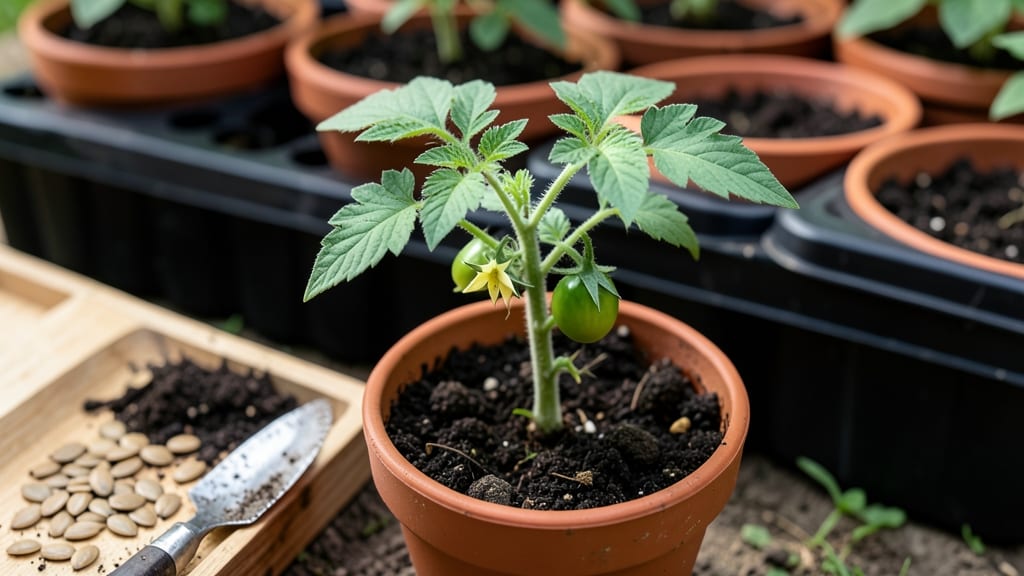
Planting tomatoes from fresh seeds saves money and unlocks heirloom varieties—here's the foolproof method that gets them sprouting in 5-7 days. 🌱 I learned the hard way that damp paper towels aren't enough; you need warmth, moisture, and just the right soil mix to break through that stubborn seed coat.
The secret weapon is a bottom-heat setup—place your seed tray on top of a warm appliance (like a fridge) or use a seedling heat mat. Keep the soil 70-80°F and moist but not soggy, and you'll see those first green shoots pushing through faster than store-bought seedlings.
Most beginners overwater or bury seeds too deep—both kill germination. Once sprouted, give them bright light (not direct sun) and thin to 2 inches apart when they have two true leaves.
The first harvest will be worth the wait—homegrown tomatoes taste nothing like store-bought, and you'll never buy seedlings again. This works for any tomato variety, from cherry to beefsteak, and scales from windowsills to greenhouses. Let's get those seeds growing!
📚 In This Guide
- What you need
- Instructions
- Tips and common mistakes
- Wrapping up and next steps
What you need
- ● Fresh tomato seeds: Harvest them from ripe, healthy tomatoes (see our guide on how to extract seeds!). Aim for at least 10-15 seeds per variety for better success.
- ● Seed-starting mix: A lightweight, sterile potting mix (avoid garden soil—it’s too dense!). A 10-12 inch tray with 1-2 inches of mix per cell is ideal.
- ● Containers: Small pots, seed trays, or even egg cartons (with drainage holes!). Each seed needs its own space or a shared tray with 1-inch spacing between seeds.
- ● Water: Room-temperature, dechlorinated water (let tap water sit out for 24 hours or use filtered water). A spray bottle helps avoid overwatering.
- ● Grow lights or sunny windowsill: Tomatoes need 6-8 hours of light daily. A full-spectrum LED grow light (12-18 inches above seeds) works best if natural light is limited.
- ● Plastic wrap or humidity dome: Keeps moisture in while seeds germinate (critical for the first 7-10 days).
- ● Heating mat: Speeds up germination (keep soil at 70-80°F).
- ● Fertilizer: A balanced, water-soluble fertilizer (5-5-5 or 10-10-10) for seedlings once they sprout.
- ● Plant labels: Mark varieties to avoid confusion (especially if testing multiple types!).
- ● Fungicide: A natural option like neem oil to prevent damping-off disease.
- ● Transplanting pots: Larger containers (3-4 inches deep) for seedlings before moving them outdoors.
Step-by-step instructions for planting tomatoes from fresh seeds
Here's the simple, fast method I use to get tomato seedlings off to a strong start—no fancy equipment needed.
🌱 Step 1: Prep Seeds for Faster Germination
Tomato seeds have a waxy coating that slows water absorption. To break it down, soak seeds in a bowl of lukewarm water for 12 hours before planting. I use a small container with just enough water to cover the seeds completely—no need for fancy solutions. After soaking, gently rub the seeds between your fingers to remove any remaining waxy film.
This step ensures your seeds germinate in 5-7 days instead of the usual 10-14 days. You'll see the difference immediately when seedlings pop through the soil—stronger, more uniform growth from day one. Just don’t let the water get cold; keep it warm to the touch.
🪴 Step 2: Fill Containers with Moist Seed Starting Mix
Use small pots or a seed tray filled with sterile seed-starting mix—never garden soil, as it’s too dense and may carry diseases. Moisten the mix until it feels like a wrung-out sponge: damp but not dripping. Press it lightly into the container so the surface is firm but not compacted. This prevents seeds from sinking too deep when you water later.
I like to tap the container gently on the table to settle the soil evenly. The goal is a fine, airy texture that roots can easily push through. If the mix feels dry after pressing, add a light mist of water—just enough to keep it consistently moist without creating puddles.
🌱 Step 3: Plant Seeds at the Right Depth
Sow seeds ¼ inch deep, about twice their diameter. Planting too deep forces seedlings to work harder to reach the surface, delaying germination. I use a toothpick to make a small hole for each seed, then drop in 1-2 seeds per pot—this gives you a backup if one doesn’t sprout. Cover lightly with a sprinkle of additional mix.
Label each pot with the tomato variety and planting date—after a week, identical seedlings look the same! Mist the soil gently with a spray bottle until evenly moist. Avoid heavy watering, which can dislodge seeds or bury them too deep. You’ll know moisture is right when the soil surface looks slightly damp but not glistening.
💧 Step 4: Provide Warmth and Humidity for Germination
Tomato seeds germinate best at 75-85°F. Place the containers on a seedling heat mat or in a warm spot like on top of the fridge. Cover the pots with a clear plastic dome or plastic wrap to trap humidity and warmth. Check daily but resist the urge to water—condensation inside the dome is enough to keep the soil moist.
Once 50% of seeds have sprouted, remove the dome immediately. Trapped humidity around new seedlings invites damping-off disease, which collapses stems overnight. You’ll see the first true leaves (not the initial seed leaves) emerge in 7-10 days—that’s your signal to move them to light.
☀️ Step 5: Move Seedlings to Bright Light
The instant seedlings break through the soil, they need 14-16 hours of light daily. A south-facing window rarely provides enough intensity, so I use a full-spectrum LED grow light positioned 2-4 inches above the plants. Raise it as they grow to maintain that gap. Without sufficient light, seedlings stretch leggy and never recover strength.
Strong seedlings have thick stems, deep green color, and compact spacing between leaves. If a stem grows pale and bends toward the light, your light is too far away—move it closer. Rotate pots a quarter turn daily so plants grow straight instead of leaning.
Tips & tricks for faster tomato seed germination
These simple techniques will help you bypass the common pitfalls and get those seedlings popping in record time.
Warmth is Non-Negotiable: That 12-hour soak in lukewarm water isn't just about breaking down the waxy coating—it's about kickstarting the seeds' metabolism. I keep my water in a bowl placed on top of my fridge (around 80°F) to maintain consistent warmth. Cold water slows germination, so avoid refrigerating the soak water. Pro tip: If your kitchen runs cool, place the bowl on a heating pad set to low for even better results.
The Quarter-Inch Rule: When planting those seeds at ¼-inch depth, think of it as creating a cozy little nest rather than a burial site. Use a toothpick to make the hole—it gives you precise control. Press the seed in gently but firmly; too light and it might shift during watering, too deep and you'll delay germination. I find using a pencil with an eraser removed works perfectly for marking planting depth if you're working with multiple varieties.
Humidity Trap Hack: That plastic dome or wrap in Step 4 isn't just for show—it's creating a greenhouse effect that maintains 90% humidity around your seeds. Here's the trick: poke a few tiny holes in the plastic if you notice condensation dripping onto the soil. Too much moisture at the soil surface can cause damping-off, but you still want that humid environment for the seeds. I use a toothpick to make these holes—just enough to let excess moisture escape without losing all the humidity.
Light Transition Strategy: When you're ready to move those seedlings to 14-16 hours of light, don't just yank them from the dark to bright sunlight. Gradually increase their light exposure over 2-3 days. Start with 2 hours of light, then increase by 2 hours daily. This prevents the shock that causes leggy seedlings. I use a timer on my grow light to automate this process—set it for 2 hours on day one, then increase by 2 hours each subsequent day.
Pro Tips for Plant Tomatoes From Fresh Tomato Seeds
- These simple techniques will help you bypass the common pitfalls and get those seedlings popping in record time.
- Warmth is Non-Negotiable: That 12-hour soak in lukewarm water isn't just about breaking down the waxy coating—it's about kickstarting the seeds' metabolism.
- The Quarter-Inch Rule: When planting those seeds at ¼-inch depth, think of it as creating a cozy little nest rather than a burial site.
Frequently asked questions
Got questions about growing tomatoes from fresh seeds? We’ve got answers! Here are some of the most common concerns—plus quick solutions to keep your tomato-growing journey smooth and successful.
How long does it take for tomato seeds to germinate?
Tomato seeds typically sprout within 5 to 14 days after planting, depending on temperature and moisture. Keep the soil warm (around 70–85°F) and consistently damp for the fastest results. If you’re using a seedling heat mat, germination can happen in as little as 3–5 days! Patience is key—don’t disturb the soil while waiting.
Can I plant tomato seeds directly in the garden instead of starting indoors?
Yes, but timing is critical! Plant seeds 4–6 weeks before your last frost date in warm soil (at least 60°F). Direct sowing works best in long, warm-growing seasons (like in Zones 8–10). In cooler climates, starting indoors gives seedlings a head start. If nights are still chilly, use row covers to protect young plants.
What do I do if my tomato seeds rot instead of sprouting?
Seed rot usually means too much moisture or poor drainage. To fix it:
- Use a well-draining soil mix (add perlite or vermiculite).
- Avoid overwatering—keep soil moist, not soggy.
- Try the paper towel method next time for faster, safer germination.
- Ensure pots have drainage holes to prevent waterlogging.
How do I know if my tomato seedlings are healthy enough to transplant?
Healthy seedlings have 2–4 true leaves (not just the initial seed leaves) and are sturdy, not leggy. They should also be 1–2 inches tall with a thick stem (gently pinch to test—it shouldn’t snap easily). Harden them off for 5–7 days before transplanting by gradually exposing them to outdoor conditions.
What’s the best temperature for growing tomato seedlings?
Tomatoes thrive in warmth! Ideal temperatures are:
- Daytime: 70–85°F (perfect for growth).
- Nighttime: 55–65°F (avoid drops below 50°F, which can stunt growth).
- Soil: Keep it at least 60°F for germination.
Wrapping up and next steps
Growing tomatoes from fresh seeds is a rewarding journey that connects you to the roots of your food—literally! 🌱 With the right preparation, patience, and a little trick like the paper towel germination method, you’ll soon be watching tiny seedlings burst with potential.
Whether you’re a beginner or a seasoned gardener, every seed you plant is a step toward a bountiful harvest of juicy, homegrown tomatoes.
Now that you’re armed with the know-how, it’s time to roll up your sleeves and get planting! Start small—try a few seeds in a pot or a dedicated garden bed—and let your green thumb grow. Happy growing, and may your tomato plants thrive! 🍅✨