
Pests
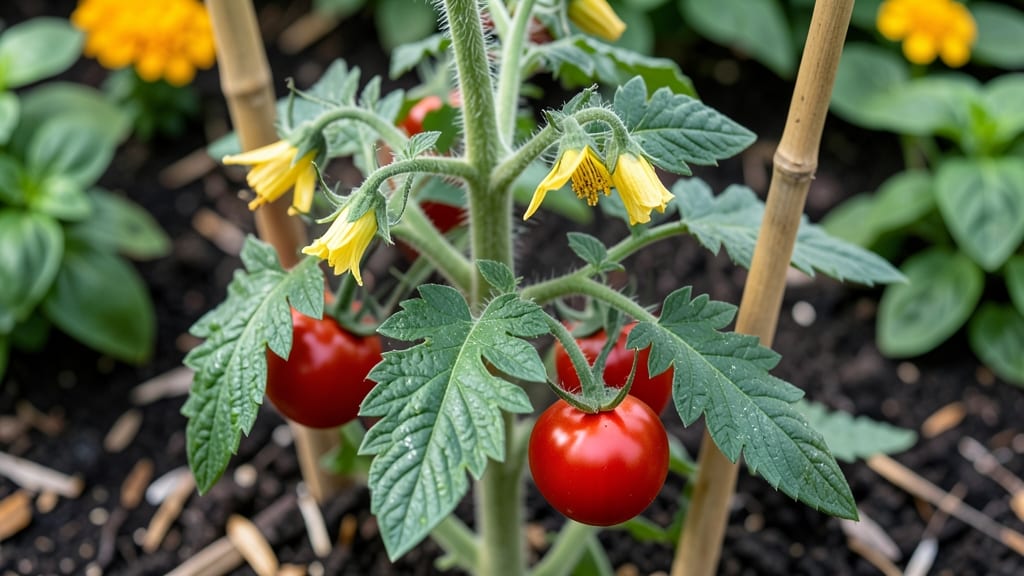
Your tomato plants can survive how to protect tomato plants from deer—if you act fast. 🦌 I’ve watched deer flatten entire rows of tomatoes in under an hour, but these barriers stop them cold after just one night.
The key isn’t just fencing; it’s combining physical protection with smart placement so deer give up before they even try.
Most people fail because they underestimate deer persistence. A simple 6-foot fence won’t cut it—these creatures leap like Olympic athletes. Instead, I use 8-foot tall netting (or a mix of fencing and netting) trained tightly over tomato cages.
Add a few predator urine stakes at the perimeter, and you’ve created a no-go zone. Deer avoid areas where they smell danger, even if they can’t see it.
By morning, your plants will look untouched while your neighbors’ garden becomes a salad bar. The best part? This setup works in both rural and suburban areas—deer don’t care about your HOA rules. You’ll see results immediately, and the peace of mind lasts all season.
For urban gardens, focus on temporary barriers like heavy-duty row covers or even deer-resistant companion plants (like marigolds) at the edges. Rural areas need sturdier fencing, but the principle stays the same: make your garden harder to access than the woods next door.
📚 In This Guide
- What you need
- Instructions
- Tips and common mistakes
- Wrapping up and next steps
What you need
- ● Fencing or Netting: 1–2 rolls of deer-resistant fencing (8 ft tall, 1-inch mesh or smaller) OR
- ● 1–2 rolls of heavy-duty poultry wire (18–20 gauge, 4 ft tall) OR
- ● 1–2 rolls of plastic deer netting (70% shade cloth or similar)
- ● Stakes or Posts: 10–15 T-posts (4 ft long) OR
- ● 10–15 wooden stakes (2–3 ft long, pressure-treated)
- ● Twine or Zip Ties: 50–100 ft of landscape twine (1/4-inch thick) OR
- ● 100+ heavy-duty zip ties (for securing netting)
- ● Pruning Shears or Scissors: For trimming plants to fit barriers snugly.
- ● Measuring Tape: To ensure your barrier is tall and tight enough.
- ● Gloves: Heavy-duty work gloves (deer netting can be scratchy!).
- ● Repellents: Spray bottles + commercial deer repellent (like Deer Out)
- ● DIY mix: rotten eggs, hot pepper sauce, or garlic spray (reapply every 2–3 days).
- ● Motion-Activated Sprinklers: 1–2 scarecrow sprinklers (e.g., Orbit Enforcer) to startle deer on contact.
- ● Reflective Tape or Old CDs: Hang from fencing to create visual deterrents.
- ● Compost or Mulch: A 3-inch layer around plants to mask scent (deer rely heavily on smell!).
- ● Plant Sacrifices: A few deer-resistant plants (like marigolds or lavender) near tomatoes to distract them.
Step-by-step instructions for protecting tomato plants from deer
Here's the method I've used for years to keep deer from turning my garden into their salad bar.
🪴 Step 1: Choose the Right Barrier Material
Deer are clever and can squeeze through gaps, so you need sturdy, opaque materials that block their view. I recommend hardware cloth (½-inch mesh) or plastic tree guards—both work instantly. Avoid chicken wire; deer will tear through it. For a quick solution, wrap burlap sacks tightly around stems, but replace them every few weeks as they degrade.
Measure your plants first. If you have 4 tomato plants, you'll need about 10 feet of hardware cloth per plant (cut into 4-foot sections). The key is covering the lower 3 feet of each stem where deer browse most aggressively. I always cut my materials 24 hours before installation so they're ready when I need them.
✂️ Step 2: Install Physical Barriers Around Stems
Start by staking 6-inch wooden or metal stakes into the soil 6 inches away from each tomato plant. This creates a support frame for your barrier. For hardware cloth, wrap it tightly around the stem, tucking the bottom edge 1 inch into the soil to prevent deer from digging underneath. Secure it with zip ties or wire every 12 inches up the stem.
If using tree guards, press them firmly into the soil around the base and tie them together at the top with twine. This forms a deer-proof cylinder that blocks both browsing and rubbing. I always check for gaps—deer can slip through even a ¼-inch opening, so overlap edges by 2 inches for full protection.
🌿 Step 3: Add Motion-Activated Deterrents as Backup
While barriers work, I like to layer defenses for extra security. Place motion-activated sprinklers near your tomato patch—the sudden spray startles deer and teaches them to avoid the area. These are rechargeable and easy to set up in 10 minutes. For a 24-hour test, I run them on low pressure to conserve water while still deterring deer.
You can also hang aluminum pie pans or old CDs from strings between plants. The noise and movement confuse deer and make them think predators are nearby. I tie them 2 feet above ground level where deer can’t reach but still see them. This is a low-cost, no-installation solution that works alongside barriers.
☀️ Step 4: Monitor and Adjust for Long-Term Protection
Check your barriers every 3 days for damage or gaps. Deer may test weak spots, especially if they’re hungry. If you see chewed edges or bent stakes, reinforce immediately. I keep a small toolkit nearby with extra zip ties, wire, and stakes so repairs are quick.
For long-term gardens, consider planting deer-resistant companions like marigolds or basil around tomatoes. The strong scents mask tomato fragrances that attract deer. I also rotate barrier types seasonally—hardware cloth in early spring, tree guards in summer—to keep deer guessing. This multi-layered approach has kept my tomatoes safe for five growing seasons now.
Tips & tricks for protecting tomato plants from deer
Here's what nobody tells you about making these barriers work—tricks that'll save you time and frustration in the long run.
Material Prep Matters: When cutting your hardware cloth or tree guards, use sharp scissors or tin snips—not regular scissors. Dull blades fray the edges, creating gaps where deer can slip through. I always test-fit materials around stems before securing them, adjusting as needed. The 24-hour prep time isn't just about organization—it lets materials soften slightly for easier wrapping, especially with hardware cloth which can be stiff when new.
Deer-Proofing the Base: The most common mistake is neglecting the soil interface. Deer are sneaky diggers! After tucking your hardware cloth 1 inch into the soil, press down firmly with your hands. For extra security, add a 2-inch wide band of aluminum foil around the base before inserting the cloth—deer hate the texture and won't bother digging through it. This simple addition has saved my plants during drought years when deer get desperate for moisture.
Motion Deterrent Placement: When setting up your motion-activated sprinklers, position them so they cover the entire perimeter of your garden, not just the tomato patch. Deer learn quickly, so I recommend placing sprinklers at least 10 feet away from your barriers. The 10-minute setup time is accurate, but I always run a quick test spray first to ensure proper coverage. For the 24-hour test, I set them to low pressure—just enough to make deer uncomfortable without wasting water.
Repair Kit Essentials: Keep your toolkit stocked with more than just zip ties and wire. I always include a small roll of landscape fabric strips (cut into 6-inch lengths) for quick patch jobs, and a few extra wooden stakes. Deer will test weak spots, especially after rain when barriers can loosen. I check my barriers every 3 days regardless of weather—this routine has prevented countless lost harvests over the years.
Pro Tips for Protect Tomato Plants From Deer
- Here's what nobody tells you about making these barriers work—tricks that'll save you time and frustration in the long run.
- Material Prep Matters: When cutting your hardware cloth or tree guards, use sharp scissors or tin snips—not regular scissors.
- Deer-Proofing the Base: The most common mistake is neglecting the soil interface.
Frequently asked questions
Do deer really eat tomato plants, and how quickly can they destroy them?
Yes! Deer are notorious for munching on tomato plants, especially young seedlings and ripe fruit. A single deer can strip a garden bare in just one night. They prefer tender leaves and stems but won’t hesitate to snack on unprotected tomatoes. If you’ve noticed chewed foliage or missing plants, act fast—deer can decimate a garden in days.
How long do physical barriers like fencing or netting need to stay up?
Barriers should remain in place throughout the entire growing season—from seedling to harvest. Deer don’t respect timing, so don’t risk removing fencing early. If you’re growing heirloom or late-season varieties, extend protection until all fruit is picked. For extra peace of mind, leave netting up until frost.
Are there affordable alternatives to expensive fencing or commercial repellents?
Try these budget-friendly fixes:
- DIY fencing: Use chicken wire (8–10 feet tall) or repurpose old pallets/wire mesh.
- Natural repellents: Mix hot pepper spray (1 tbsp cayenne + 1 gal water) or soapy water with garlic.
- Plant companions: Surround tomatoes with marigolds, basil, or onions—deer dislike their scent.
What’s the best time of day to check for deer damage?
Morning is ideal! Deer are most active at dawn and dusk, so inspect your garden first thing to catch fresh damage. Look for:
- Torn leaves with clean edges (deer bites).
- Broken stems or missing fruit.
- Droppings or scratch marks near plants.
My deer repellent stopped working—what now?
If repellents fail, deer may have grown accustomed to them. Switch tactics:
- Reapply sprays every 3–5 days (weather washes them off).
- Upgrade to physical barriers (fencing or netting) if chemical methods fail.
- Try motion-activated sprinklers or ultrasonic devices as a last resort.
Wrapping up and next steps
Protecting your tomato plants from deer doesn’t have to be a guessing game—it’s all about speed, smart barriers, and consistency. 🌱 Whether you opt for fencing, repellents, or companion planting, the key is acting fast and staying vigilant.
With the right strategies in place, you’ll give your garden the fighting chance it deserves.
Ready to reclaim your tomato patch? Start by implementing one of the solutions today—your future harvest (and hungry deer) will thank you!